When Does Mushroom Season End? Late Autumn Mushrooms
Mushroom season ends when rain stops or the weather turns cold, so the date varies by region. What still fruits in late autumn and the risks that remain.
 By Flori editorial team · Updated
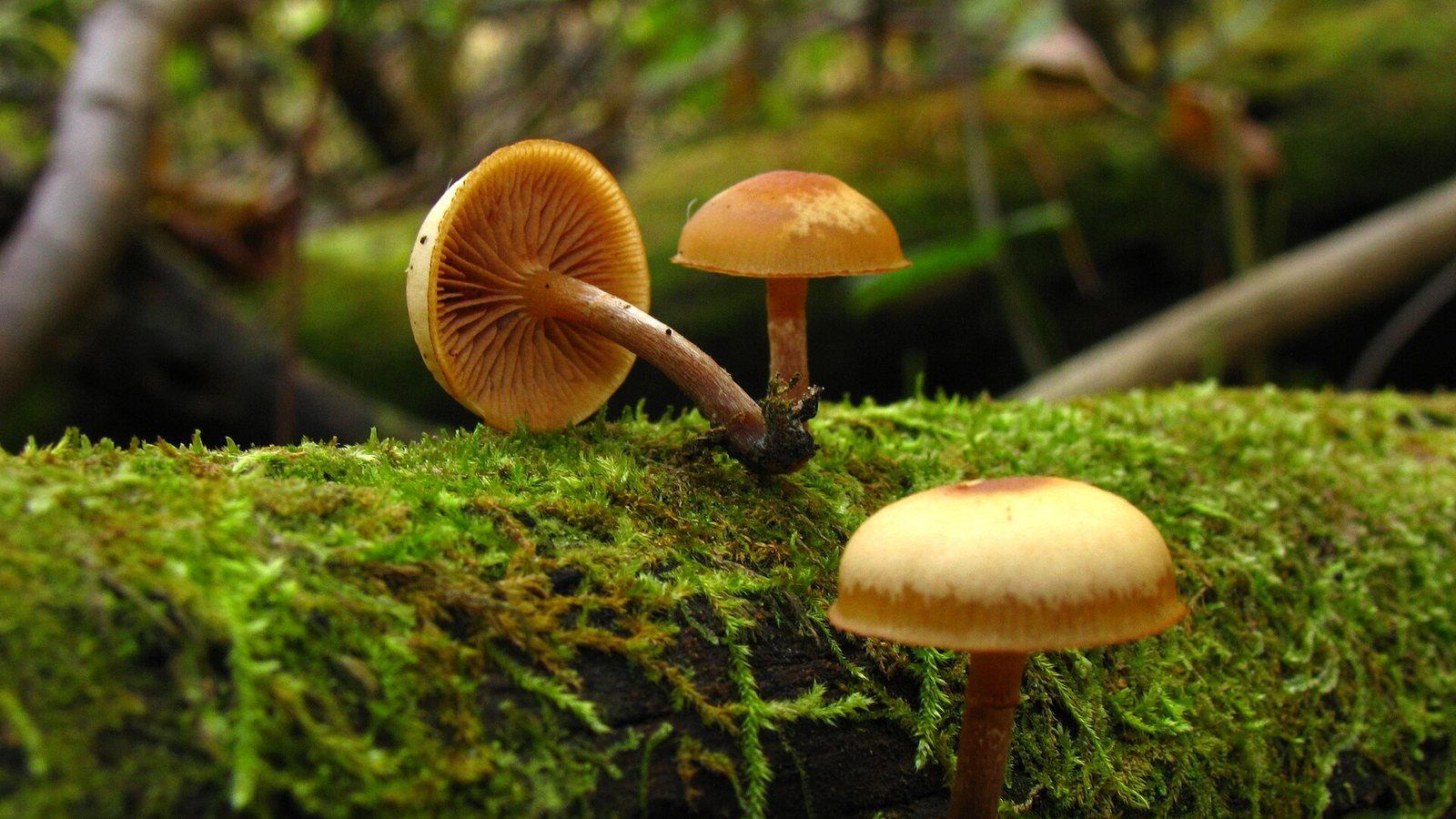
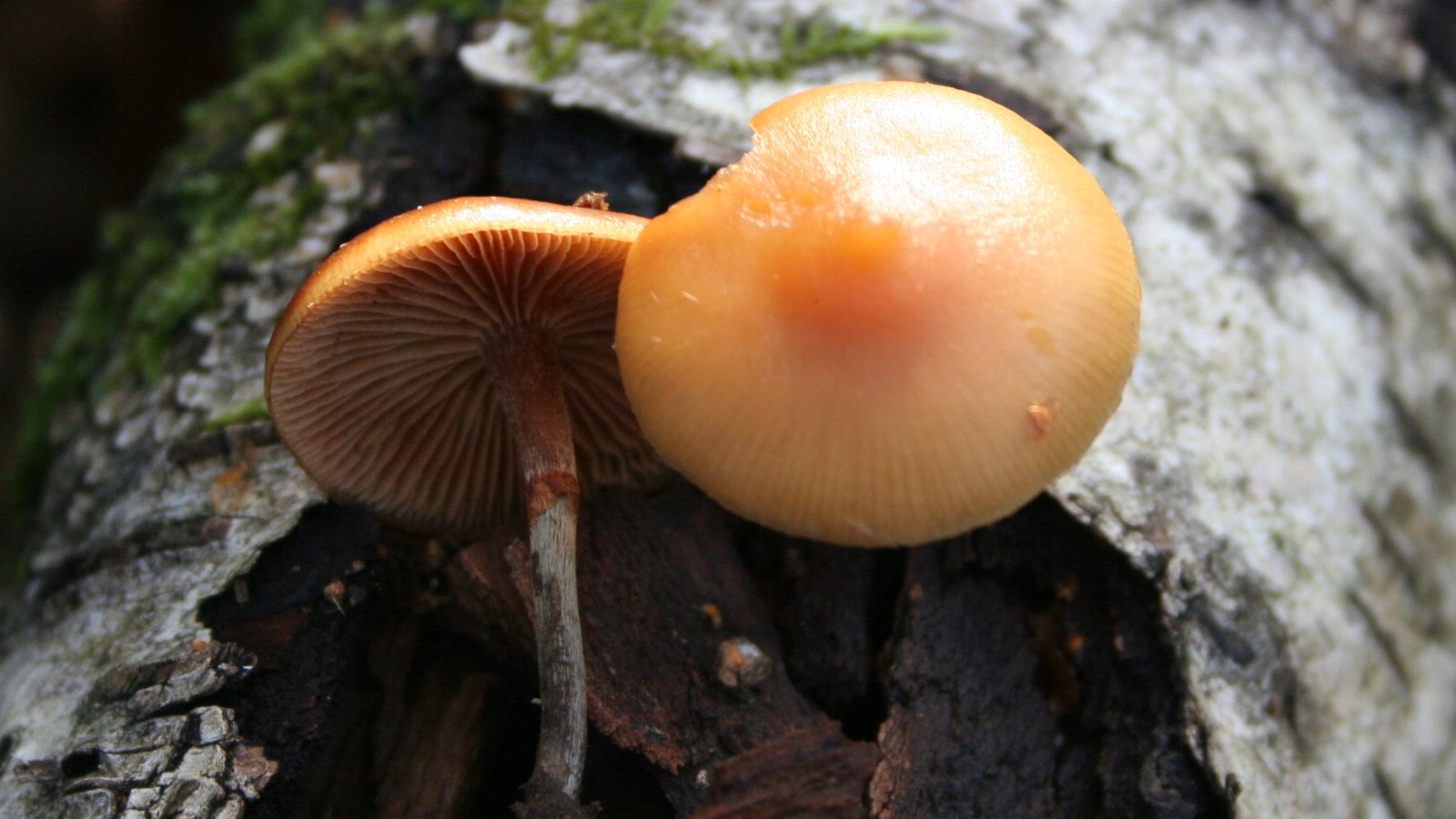 Photo: User:Strobilomyces · CC BY-SA 3.0
There is no single date. Wild mushrooms fruit after wet weather and fade when conditions turn dry or colder, so the season ends at different times in different places and years. In many temperate areas it runs to late autumn, and deadly species such as death cap are still around then.
Key takeaways
- Mushrooms appear after wet weather and disappear when it turns dry or colder, so the end of the season depends on your local weather, not the calendar.
- The Ohio State fact sheet says many species appear from mid-summer to late autumn; the death cap is usually found in autumn.
- Growing on wood, being eaten by animals, peeling or the time of year do not show that a mushroom is safe.
- Late autumn mushrooms can include deadly amatoxin species such as Amanita phalloides and Galerina marginata.
- After eating an unknown mushroom, call the poison line at once and keep a sample; do not wait for symptoms.
On this page8
- When does mushroom season end?
- What decides when mushrooms stop appearing?
- Which risks are still around in late autumn?
- Late-season myths that get people hurt
- What can Flori do with a mushroom photo?
- How can you enjoy the last mushrooms without picking them?
- Late autumn mushrooms, dogs and children
- What should you do after eating an unknown mushroom?
When does mushroom season end?
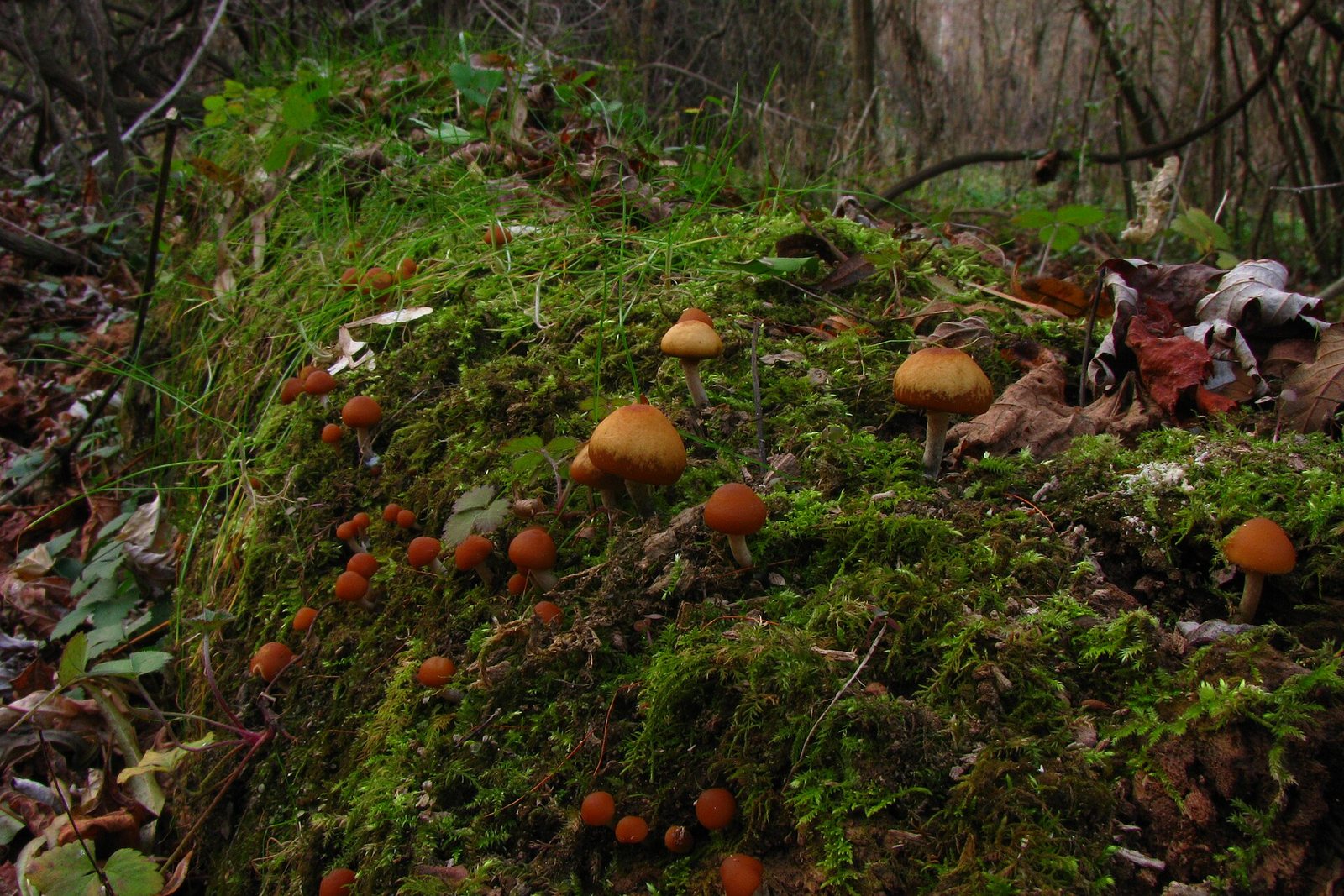
Mushroom season ends when the rain stops or the weather turns cold, so the answer changes with your region and your year. Clemson Extension says mushrooms appear after wet weather and disappear on their own when the weather turns dry or colder, while the fungus itself keeps growing unseen in the soil. The Ohio State University fact sheet describes a collecting season that starts with morels in spring and, from mid-summer to late autumn, brings many more species. This guide is about the end of the season and the risks that stay behind. It is not a guide to what to pick: no photo, app or calendar can tell you that a wild mushroom is safe to eat. See is it safe to pick wild mushrooms for the safety rules.
What decides when mushrooms stop appearing?
Three things: moisture, temperature and food. The mushroom is only the fruit; the fungus feeds on decaying organic matter such as old roots, stumps and thatch, according to Clemson. UC Master Gardeners in Alameda County linked a winter mushroom surge in Northern California to heavy rain and moist soil full of decaying material. So a wet, mild autumn can run long, and a dry or freezing spell can end it in days.
| Where you are | What late autumn means | What to expect |
|---|---|---|
| Northern Hemisphere, cool temperate | Roughly October to November | Fruiting falls as nights turn cold; many species finish (Ohio State: to late autumn) |
| Northern Hemisphere, mild and wet coasts | November into winter | Rain can keep mushrooms coming, as in the Bay Area winter surge (UC) |
| Southern Hemisphere | Roughly April to May | Autumn there; the death cap is usually found in most autumns in Canberra (ANBG) |
| Any dry spell | Any time | Mushrooms vanish until the next rain (Clemson) |
In Turkey the timing differs between the Black Sea, Aegean, Mediterranean and inland regions, so use local rainfall and temperature and ask a local mycological club or agricultural office rather than a fixed month. Our guide on the saffron milk cap (kanlıca) explains one well-known autumn species and its look-alikes.
Which risks are still around in late autumn?
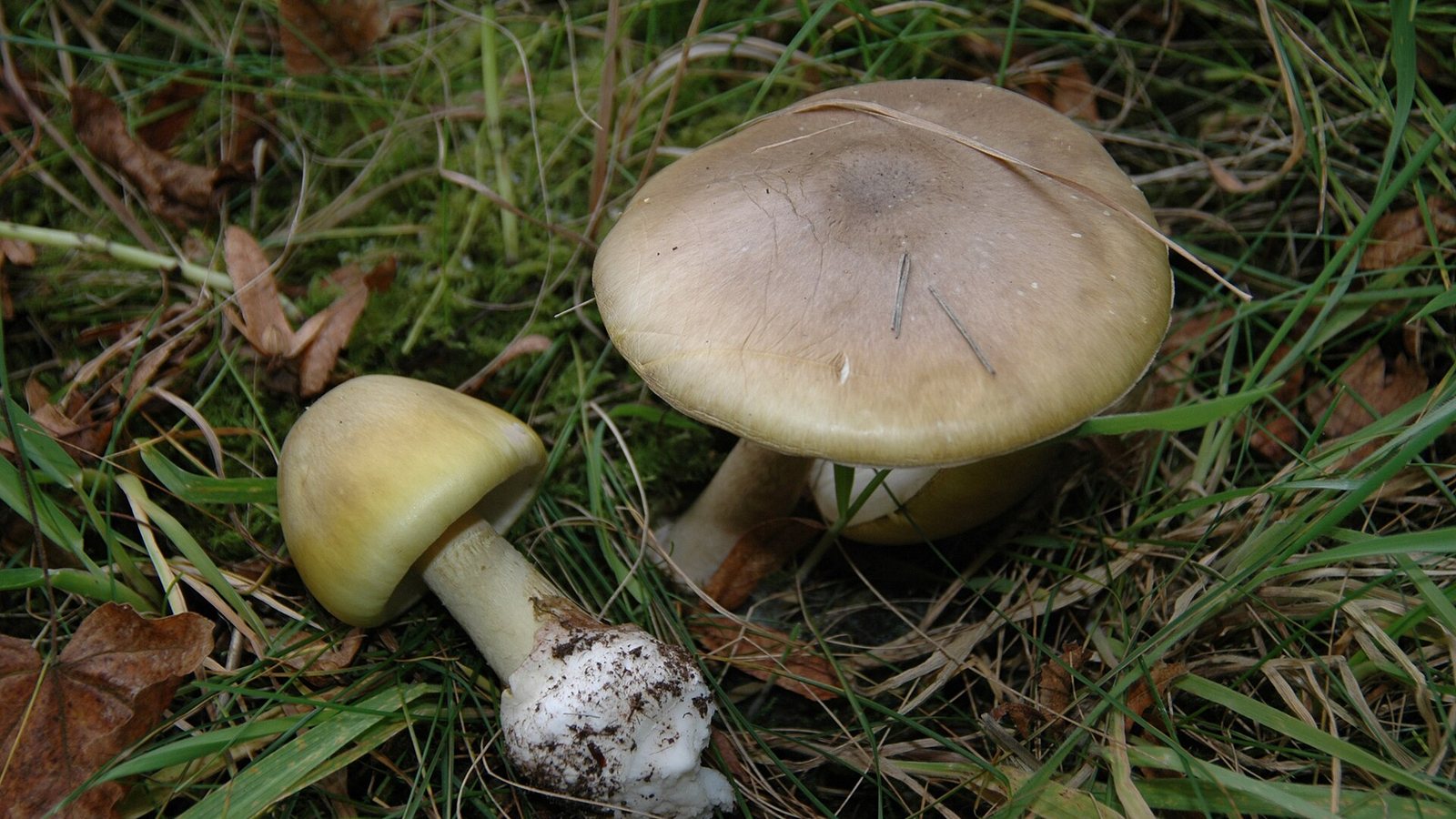
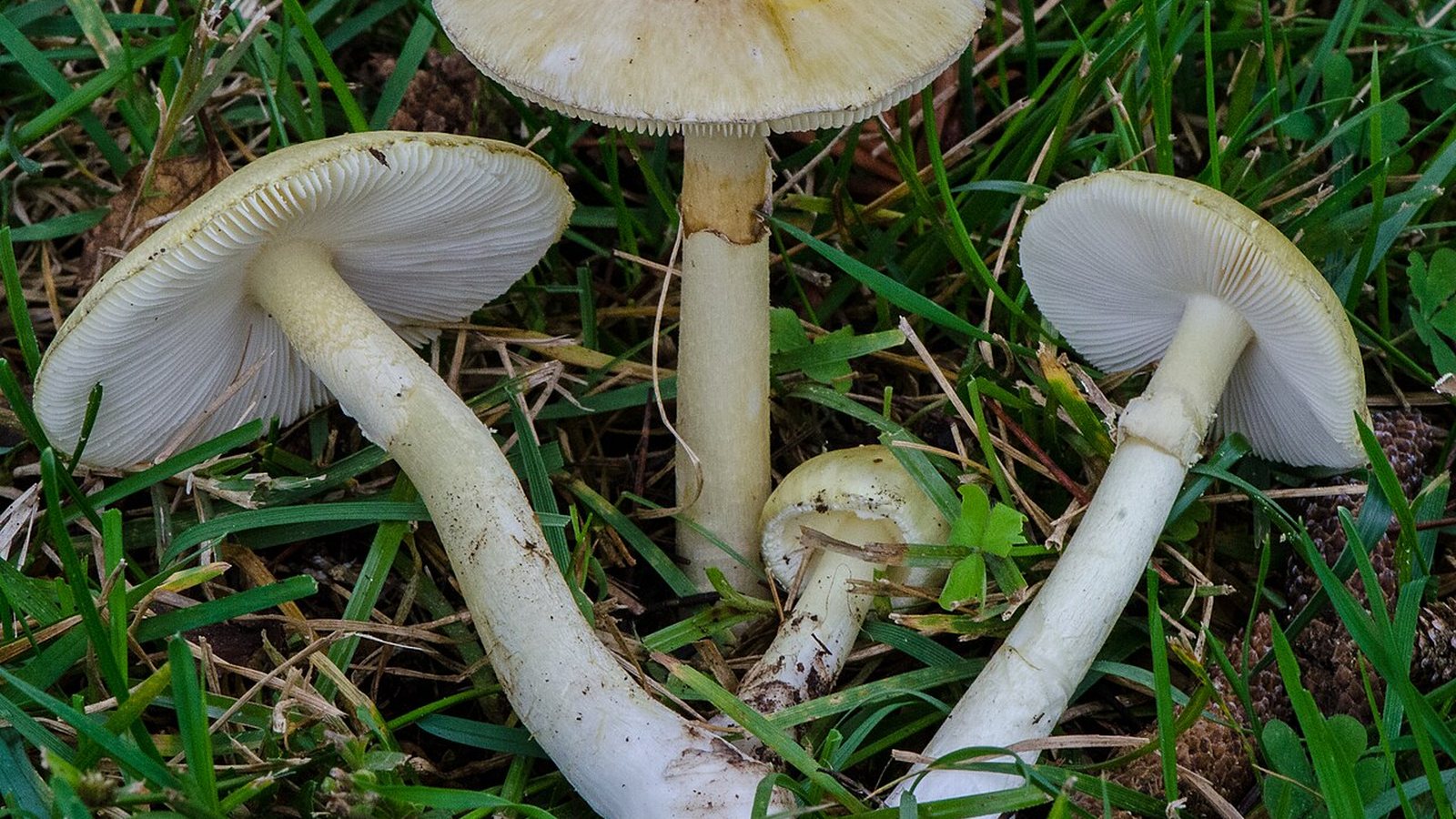
Autumn is when several dangerous species fruit. The Australian National Botanic Gardens says the death cap (Amanita phalloides, ölüm meleği) is usually found in most autumns where it has established, mostly near oaks. NAMA lists the amatoxin group, which includes Amanita phalloides, Galerina marginata and Lepiota species. NAMA also notes that little brown mushrooms such as Galerina marginata may be mistaken for other small brown species. The Ohio State sheet adds that the most common deadly mushrooms in Ohio are white, so white does not mean safe, and that some edible species closely resemble poisonous ones in the same habitat.
NAMA says symptoms start 6 to 24 hours after eating, that the person may feel fine during that time, and that after about 24 hours of vomiting there can be an apparent recovery of roughly another day before liver and kidney failure. This is why the last mushrooms of the year are not a safe gamble. See death cap mushroom and mushroom poisoning symptoms.
Late-season myths that get people hurt
- It grows on wood, so it is safe. Ohio State lists growing on wood as something that does not indicate safety.
- Animals eat it, so it is safe. The same sheet lists being eaten by animals as no sign of safety.
- Peeling the cap removes the poison. Peeling caps does not indicate safety (Ohio State).
- Cooking, drying or pickling fixes it. Ohio State says parboiling, drying or pickling does not make a poisonous mushroom safe.
- The app said so. A photo never shows everything an expert checks, such as spore details and habitat.
Ohio State says to assume all mushrooms are poisonous until positively identified. In practice, if you do not have an expert in the room with the mushroom, leave it where it is, and if you want to learn, do it in person with a local mycological club.
What can Flori do with a mushroom photo?
Flori can suggest what a wild mushroom might be from a photo, which helps you keep a record or learn names. It cannot tell you that a mushroom is safe to eat, and it does not replace a local expert. Read can an app identify mushrooms before you rely on any app.
How can you enjoy the last mushrooms without picking them?
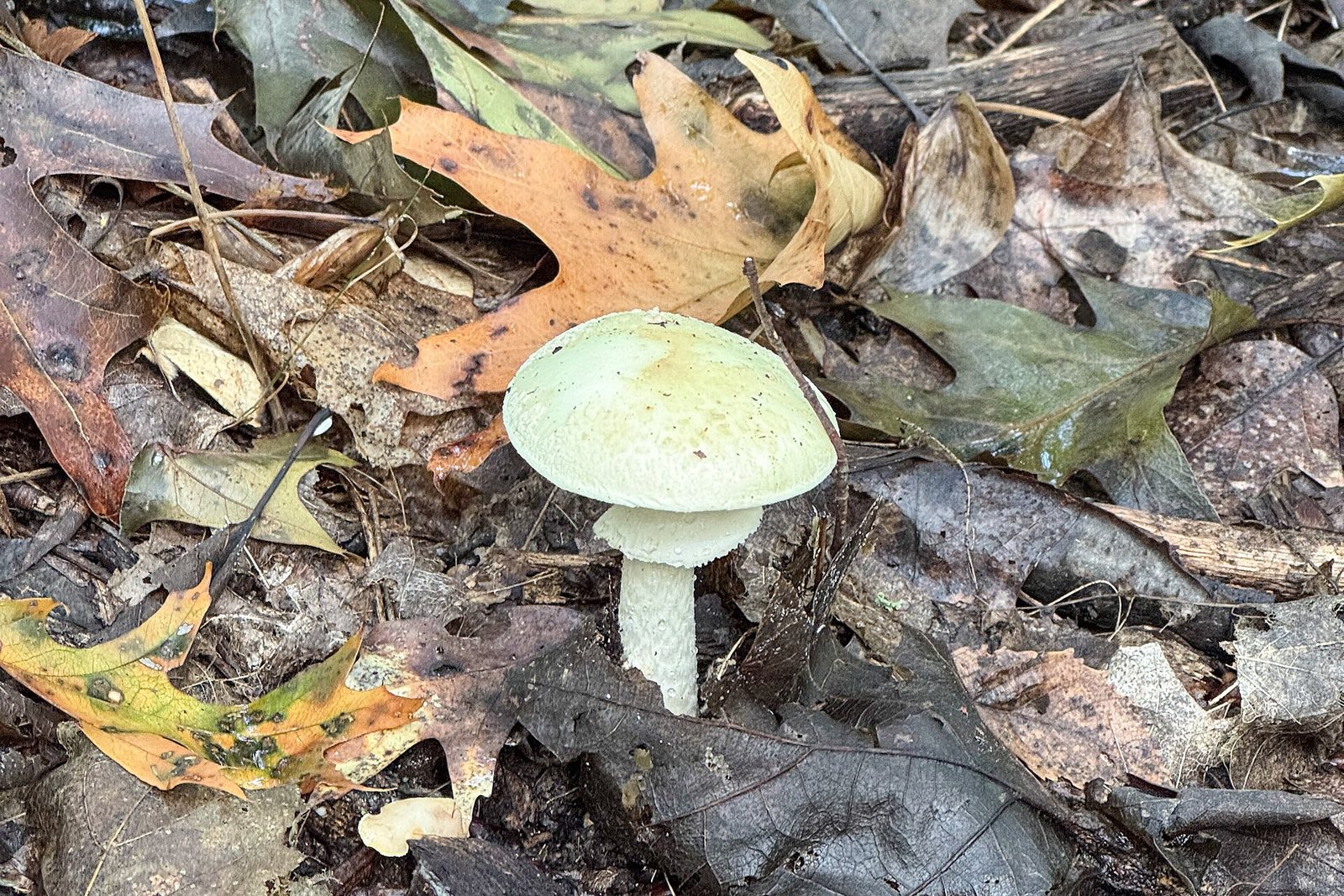
Treat the end of the season as a photography walk. Photograph the whole mushroom from above and from the side, then the underside, and note the date, the place and what it grows on or under. A coin next to it shows size. Leave the mushroom where it is: handling and moving it adds nothing, and the photos plus notes are what a local club or poison line would ask for. Keep a dog on a lead near fruiting bodies, and wash your hands after touching any wild mushroom.
Late autumn mushrooms, dogs and children
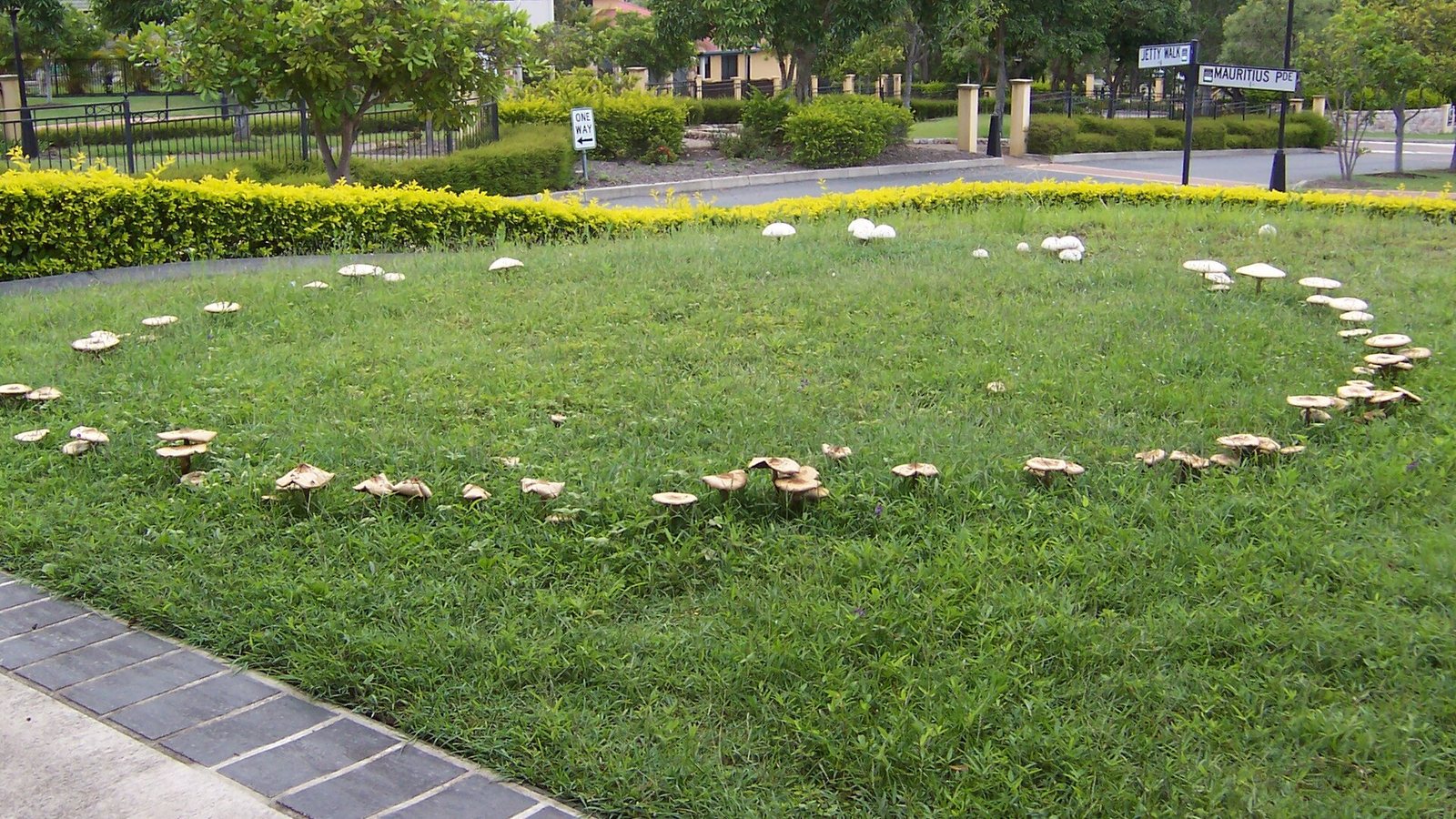
The weeks after the first autumn rains are when yards fill with mushrooms. Dogs may eat mushrooms in yards or on walks, and UC Master Gardeners say pets can show symptoms up to 12 hours or more after eating, so call a vet right away rather than waiting for symptoms or a name. Keep children away from unknown mushrooms. If you remove mushrooms from a lawn, UC suggests wearing gloves, bagging them in paper or compostable material and keeping pets and children away. The mushroom is only the fruit, so more will return when it rains. See mushrooms in lawn and garden for the options.
What should you do after eating an unknown mushroom?
- Call the poison line now. Türkiye: UZEM 114 (Ulusal Zehir Danışma Merkezi). United States: Poison Control 1-800-222-1222. United Kingdom: NHS 111. For a pet, call your vet or the ASPCA Animal Poison Control.
- Do not wait for symptoms. Amanita poisoning can feel better before liver damage shows.
- Keep a sample. Ohio State and UC suggest saving a sample; store it in paper or waxed paper, not plastic, in the fridge, and keep photos.
- Take the sample and any leftovers to the hospital if you are told to go.
Do not try home remedies or make yourself vomit unless a professional tells you to; the poison line will tell you what to do.
Frequently asked questions
When does mushroom season end?
It depends on weather. Clemson says mushrooms disappear when it turns dry or colder. In many temperate regions fruiting continues to late autumn, and wetter coasts may see mushrooms into winter.
Are late autumn mushrooms safe to eat?
No time of year makes a wild mushroom safe. Deadly species such as death cap are usually found in autumn, and a photo or app cannot tell you that a mushroom is safe to eat.
Does frost kill poisonous mushrooms?
None of the sources we checked say that cold or frost makes a mushroom safe. Ohio State says no characteristic reliably separates edible from poisonous mushrooms.
Why do mushrooms appear after autumn rain?
The fungus lives in the soil and fruits when the ground is moist. Clemson says mushrooms sprout after wet weather and feed on decaying roots, stumps and thatch.
What should I do if my dog ate a mushroom?
Call your vet or ASPCA Animal Poison Control at once and do not wait for symptoms; UC Master Gardeners say signs can take 12 hours or more to appear.
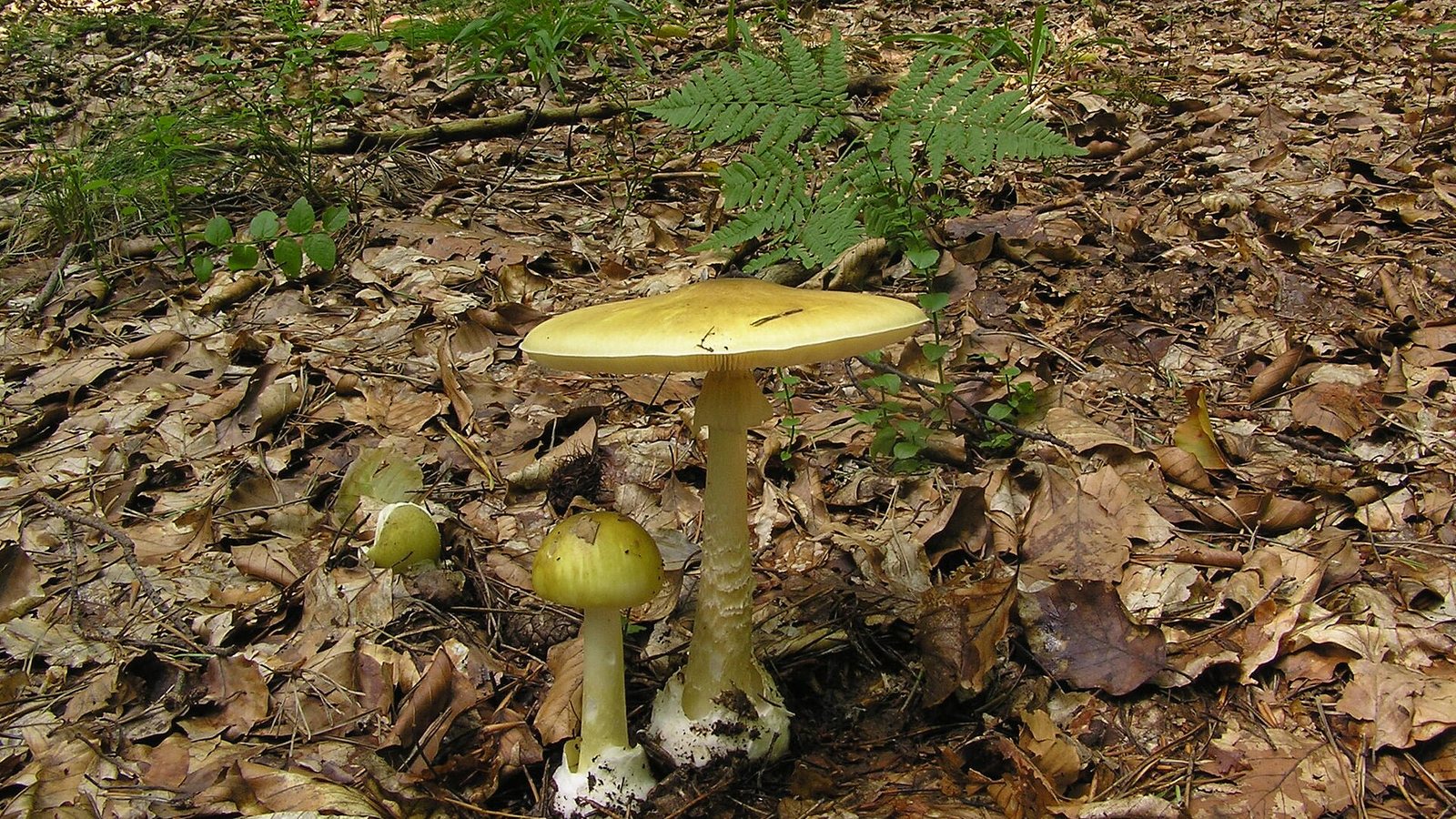
Death cap mushroom ID: greenish cap, white gills, a skirt-like ring and a buried cup. Look-alikes, myths that kill and what to do if someone eats one.
Sources
Written and fact-checked by the Flori team. Every guide cites horticultural sources such as the RHS, university extension services and the ASPCA, and is updated when the advice changes. How we write our guides
General plant care information. Plants vary; when a plant is valuable or a problem spreads quickly, consult a local nursery or plant specialist.