Got a New Orchid? What to Do the First Month
A gift moth orchid needs little at first. Use this day and week checklist: roots, light, watering, what to skip, and when to cut the spike.
 By Flori editorial team · Updated
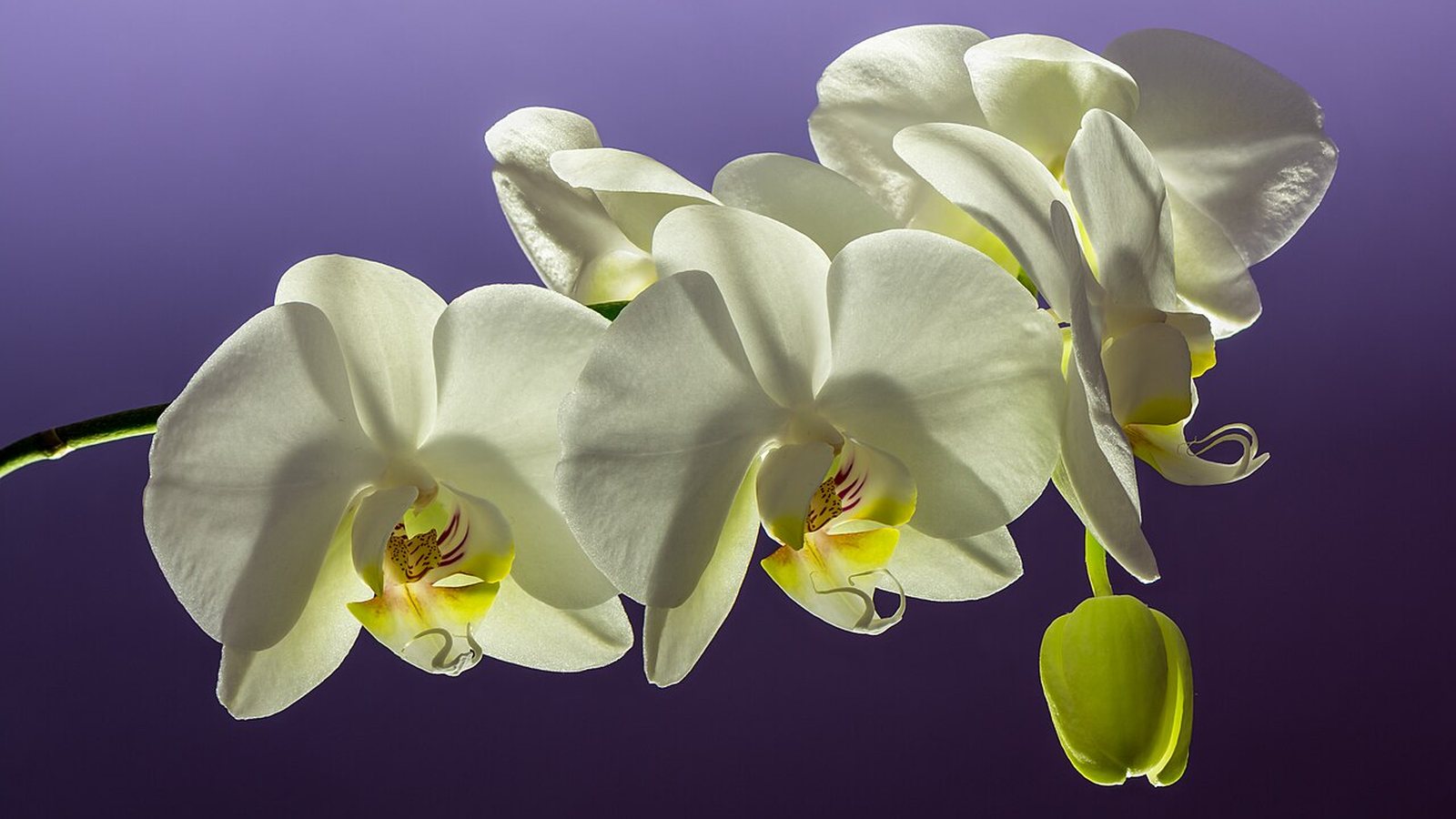 Photo: Uoaei1 · CC BY-SA 4.0
For the first month, do little: unwrap the pot, tip out standing water, check the roots, then set the moth orchid in bright indirect light at 16 °C (60 °F) or warmer, away from radiators and draughts. Water when the bark is nearly dry, and skip repotting and feeding until it needs them.
Key takeaways
- Unwrap the plant on day one, tip out standing water and check roots, leaves and leaf joints for mealybugs.
- Give bright indirect light and keep nights at 16 °C (60 °F) or warmer, away from radiators and draughts.
- Water when the bark is nearly dry, drain fully and keep water out of the crown.
- Do not repot, feed in winter or cut aerial roots in the first month.
- Cut the spike only after the last bloom fades, just above the second node, or at the base if it dries.
On this page8
What should you do first with a new orchid?
Mostly very little, and that is the secret. A moth orchid (Phalaenopsis), the kind given as a winter gift, arrives in bloom, grown in a warm greenhouse and then moved through shops and cold cars. The first weeks are about letting it settle: find the right window, check the roots, water only when it is time, and resist repotting, feeding and fussing. This guide answers only the first-weeks question. For the long game, see our guides to watering orchids, getting an orchid to bloom again, yellow orchid leaves and orchid potting mix and repotting. The advice below draws on the Royal Horticultural Society (RHS), University of Maryland Extension and Clemson Cooperative Extension. In the southern hemisphere an orchid given in December arrives in summer, so the main change is to keep it out of hot direct sun.
The first month at a glance
| When | What to do | What to leave alone |
|---|---|---|
| Day 1 | Unwrap the sleeve, tip out water in the decorative pot, look at roots and leaves | Do not repot, do not cut roots |
| Days 2 to 3 | Put it in bright indirect light, away from radiators and draughts | Do not water if the bark is still damp |
| Week 1 | Check the bark with a finger; water once it is nearly dry | Do not feed yet |
| Weeks 2 to 3 | Keep a steady routine; wipe dust off the leaves; check for pests | Do not keep moving it around |
| Week 4 | Decide: is the bark still firm and are roots healthy? If yes, leave it | Do not cut the flower spike while it still has live buds |
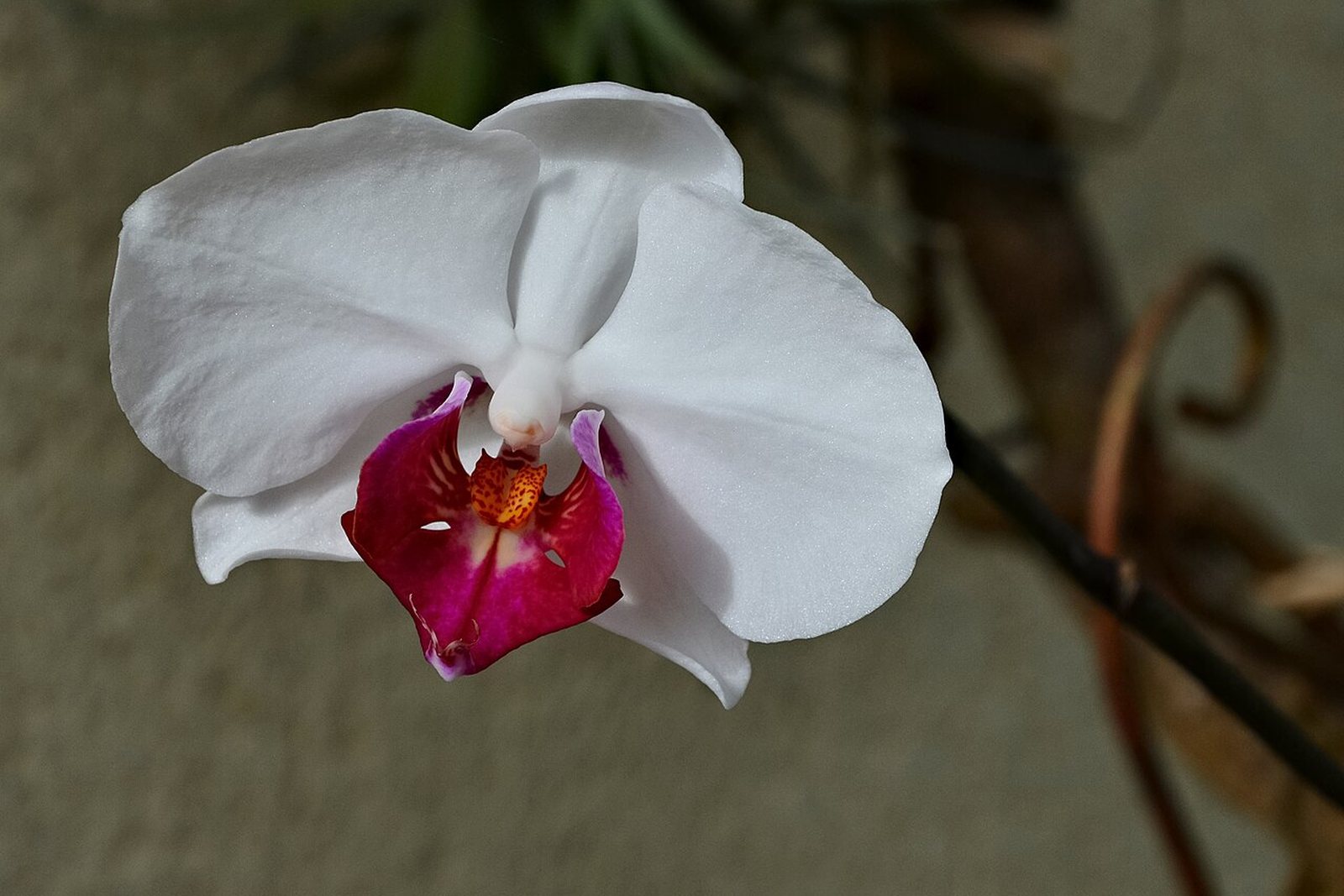
What do you check on day one?
Take off any plastic sleeve and decorative foil. If the pot sits inside a cachepot, lift the plastic pot out and tip away any water that has collected, because the RHS warns against letting the pot stand in water. Then look at three things:
- Roots: silvery-white or green roots are healthy. The RHS describes healthy roots as plump and firm, and unhealthy ones as brown, shrivelled, mushy or hollow. Roots growing above the bark are normal; University of Maryland Extension says not to cut them off.
- Leaves: firm and olive to light green is good. Dark green, stiff leaves point to low light, and pink or reddish edges point to too much sun.
- Pests: the RHS recommends checking regularly for mealybugs. Look in the leaf joints for white cottony spots and read our mealybugs guide if you find any.
Where should a new orchid sit?
The RHS advises bright, indirect light, with an east- or west-facing windowsill suited to winter and no direct summer sun, which can scorch leaves. University of Maryland Extension says that in short winter days the plant can move to direct light or a south window. For temperature, the RHS gives 19 to 30 °C (66 to 86 °F) by day and 16 to 19 °C (61 to 66 °F) at night, and says to keep it above 16 °C (60 °F) and away from radiators, heaters and draughts. Gift orchids often fall ill from a cold doorstep or a radiator shelf, not from bad watering. In Türkiye, a windowsill above a radiator in a heated flat in Ankara or Erzurum is much hotter and drier than a coastal living room on the Aegean or Mediterranean, so think about both the coldest and the hottest point near the window when you choose the spot. More ideas are in where to put houseplants in winter.
How do you water a new orchid in the first weeks?
Water when the bark is nearly dry, not by the calendar. The RHS says about once a week in the growing season, with slightly less in winter, using tepid water and keeping it off the leaves and out of the crown. University of Maryland Extension suggests running warm water over the bark and aerial roots in 3 or 4 drenches over 10 minutes, then letting it drain completely. Clemson says to water thoroughly, then wait until the medium is nearly dry throughout, and adds that small pots and open bark can need water twice a week. Aerial roots turn from silvery to pale green when they have enough water, according to University of Maryland Extension.
You will also see advice to water orchids with ice cubes. We checked that claim against a university study in our orchid watering guide, so read it there before you decide; for a new gift plant a regular soak and a full drain is the simpler habit to build.
Should you feed or repot a gift orchid?
Not yet. For feeding, the RHS says to feed lightly but regularly in the growing season and sparingly or not at all in winter, and University of Maryland Extension says over-fertilizing promotes lush growth at the expense of flowers and to skip feeding in winter. For repotting, the RHS says to repot every two years or when the plant outgrows its pot, using a clear pot and bark-based orchid compost and never loam-based or multipurpose compost. Sources differ on timing: the RHS says any time roots are active, and University of Maryland Extension says when new growth starts, not necessarily after blooming. The common thread is that a healthy orchid with firm bark does not need repotting in its first month. Repot sooner only if the bark looks like mulch, drains badly or roots are rotting, and follow the repotting guide linked above.
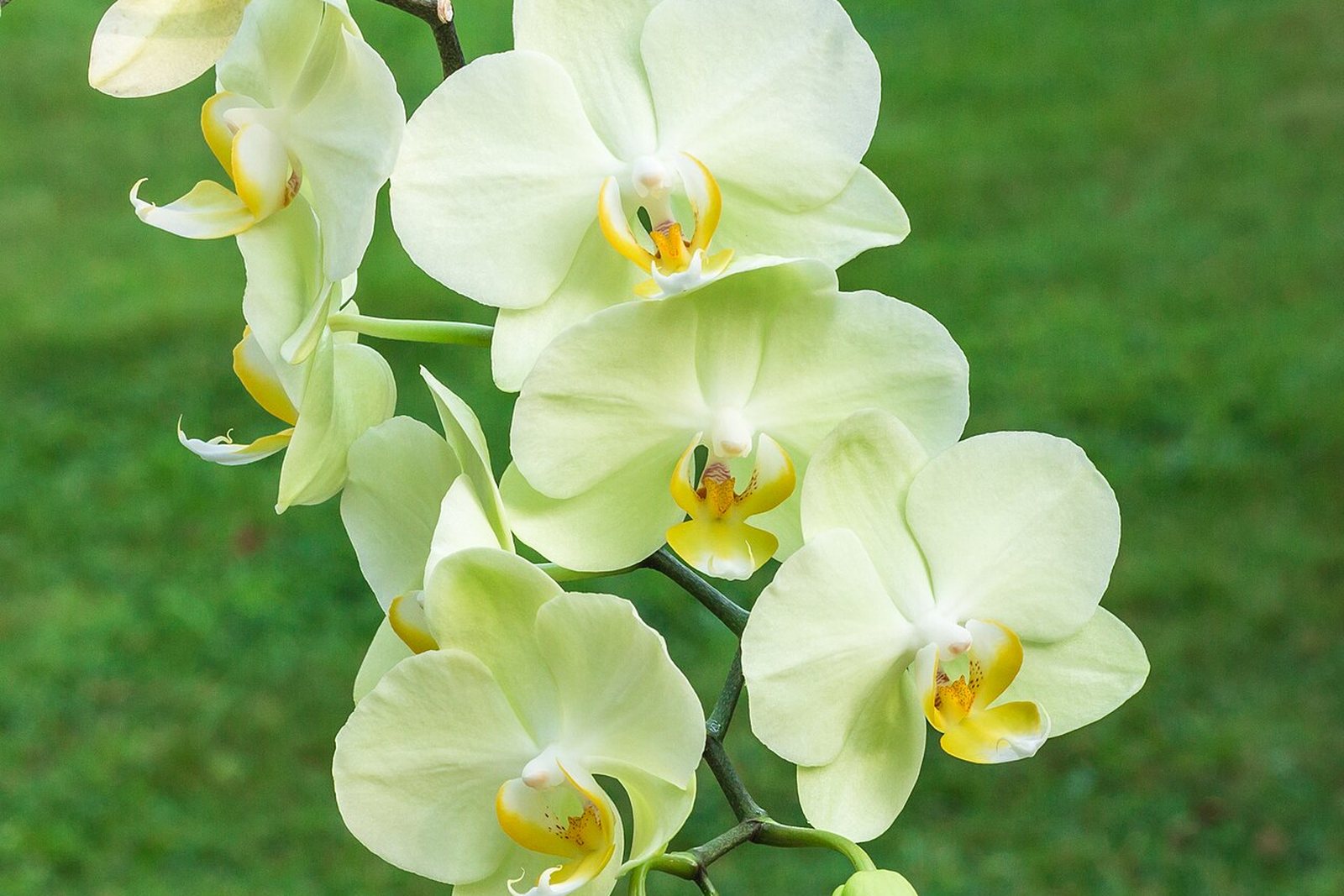
How long do the flowers last, and what then?
University of Maryland Extension says the flowers can last at least a month or longer with proper care, and that the spike can form flowering branches that extend the bloom period. Clemson says phalaenopsis flower in winter or early spring, with blooms lasting several months. When the last bloom fades, the RHS says to cut the stalk just above the second node below the spent flowers, which may produce a side shoot, or to cut the whole stem at the base if it turns pale and dry. University of Maryland Extension suggests watching the old spike for new buds before cutting it. If the plant then refuses to rebloom, the guide on why an orchid is not blooming covers light, cool nights and roots.
First-month mistakes to avoid
- Watering on a fixed day without checking the bark.
- Leaving it in a cachepot full of water.
- Putting it on a radiator shelf or beside a door that opens to the cold.
- Repotting at once because the plant looks tall or has roots outside the pot.
- Cutting aerial roots.
If you are unsure whether a leaf or root looks normal, Flori can diagnose a problem from a photo with Dr. Flori, and identify the plant and show its care profile if the gift came with no label. If you have a cat or dog, check the plant on the ASPCA list; the guides above say more about plants and pets.
Frequently asked questions
Should I repot an orchid I just received?
Usually not. A healthy orchid in firm bark does not need repotting in its first month. Repot sooner only if the bark looks like mulch, drains badly or roots are rotting.
How often should I water a new moth orchid?
The RHS says about once a week in the growing season, slightly less in winter. Check the bark first and water only when it is nearly dry, then let it drain fully.
How long will my gift orchid stay in bloom?
University of Maryland Extension says flowers can last at least a month or longer with proper care, and Clemson says blooms can last several months. The spike may also branch.
When do I cut the flower spike?
After the last bloom fades. The RHS says to cut just above the second node below the spent flowers, or at the base if the whole stem is pale and dry. Watch for new buds first.
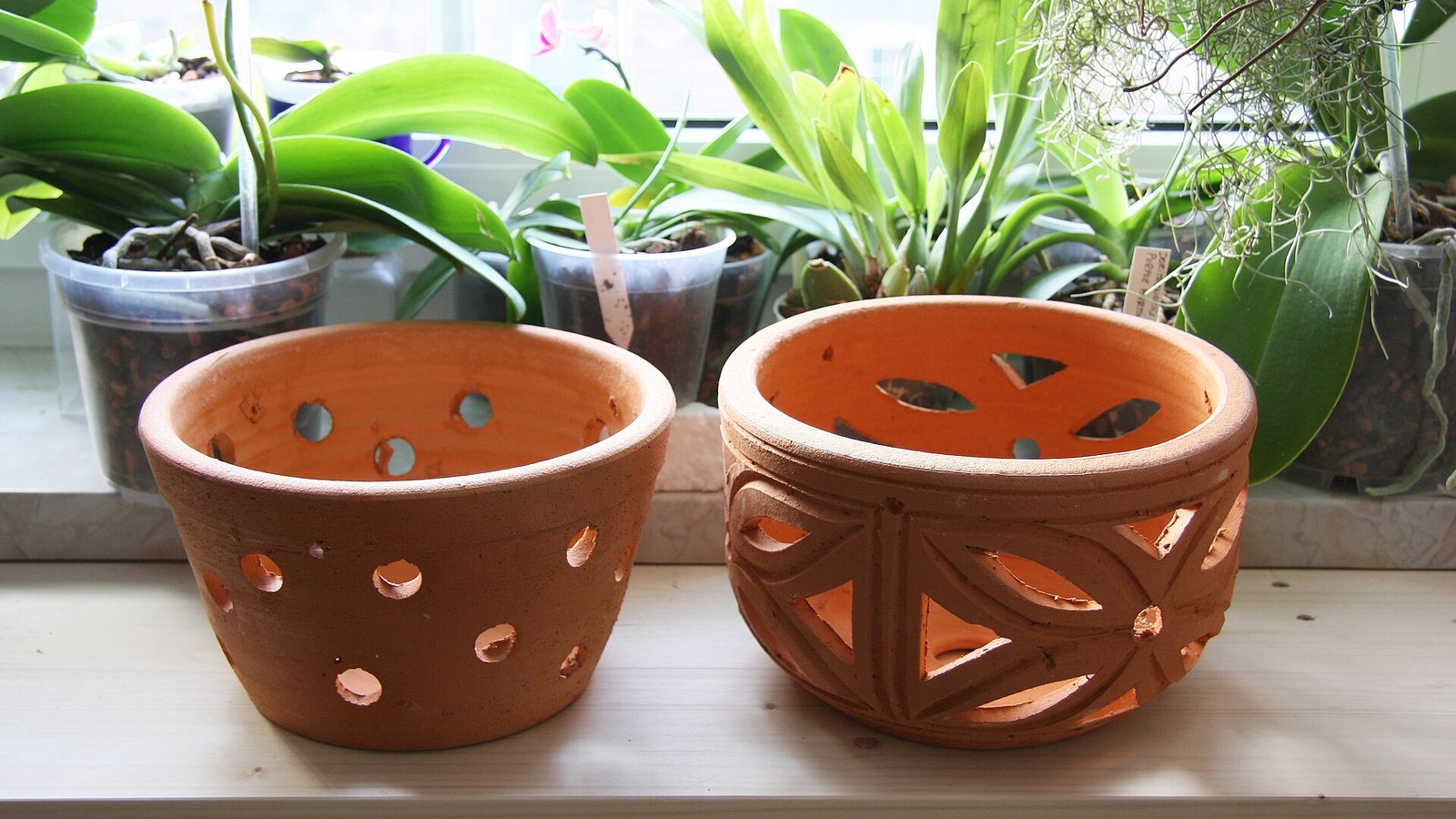
Water a moth orchid when the bark is nearly dry, about weekly. Compare soaking, tap and ice cubes, and read the roots to know when it is thirsty.
Sources
Written and fact-checked by the Flori team. Every guide cites horticultural sources such as the RHS, university extension services and the ASPCA, and is updated when the advice changes. How we write our guides
General plant care information. Plants vary; when a plant is valuable or a problem spreads quickly, consult a local nursery or plant specialist.