How to Care for Plants While on Vacation
Going away? Keep houseplants alive with the right method for your trip: pebble trays, wicks, capillary matting, covers or a sitter, plus summer vs winter.
 By Flori editorial team · Updated
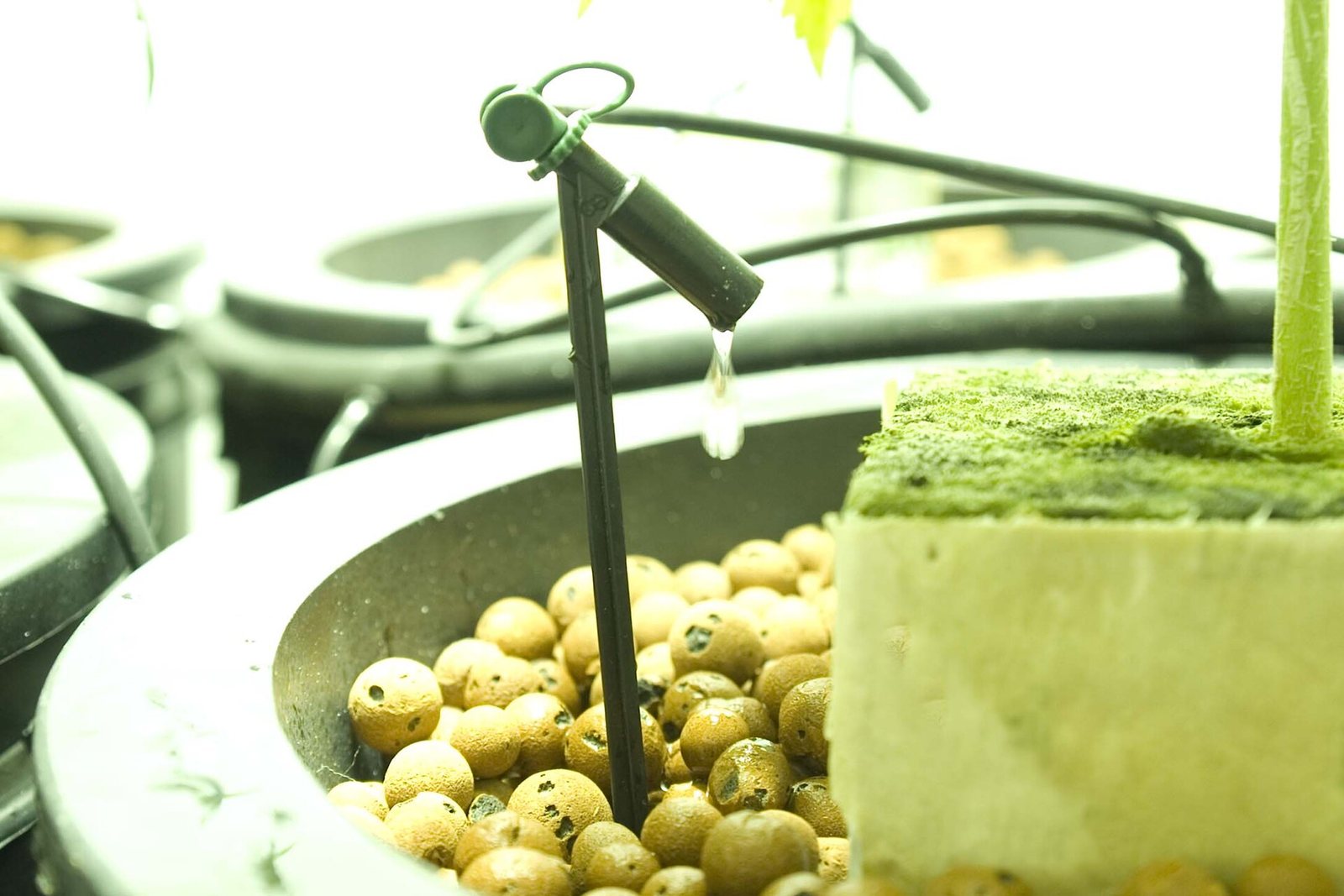
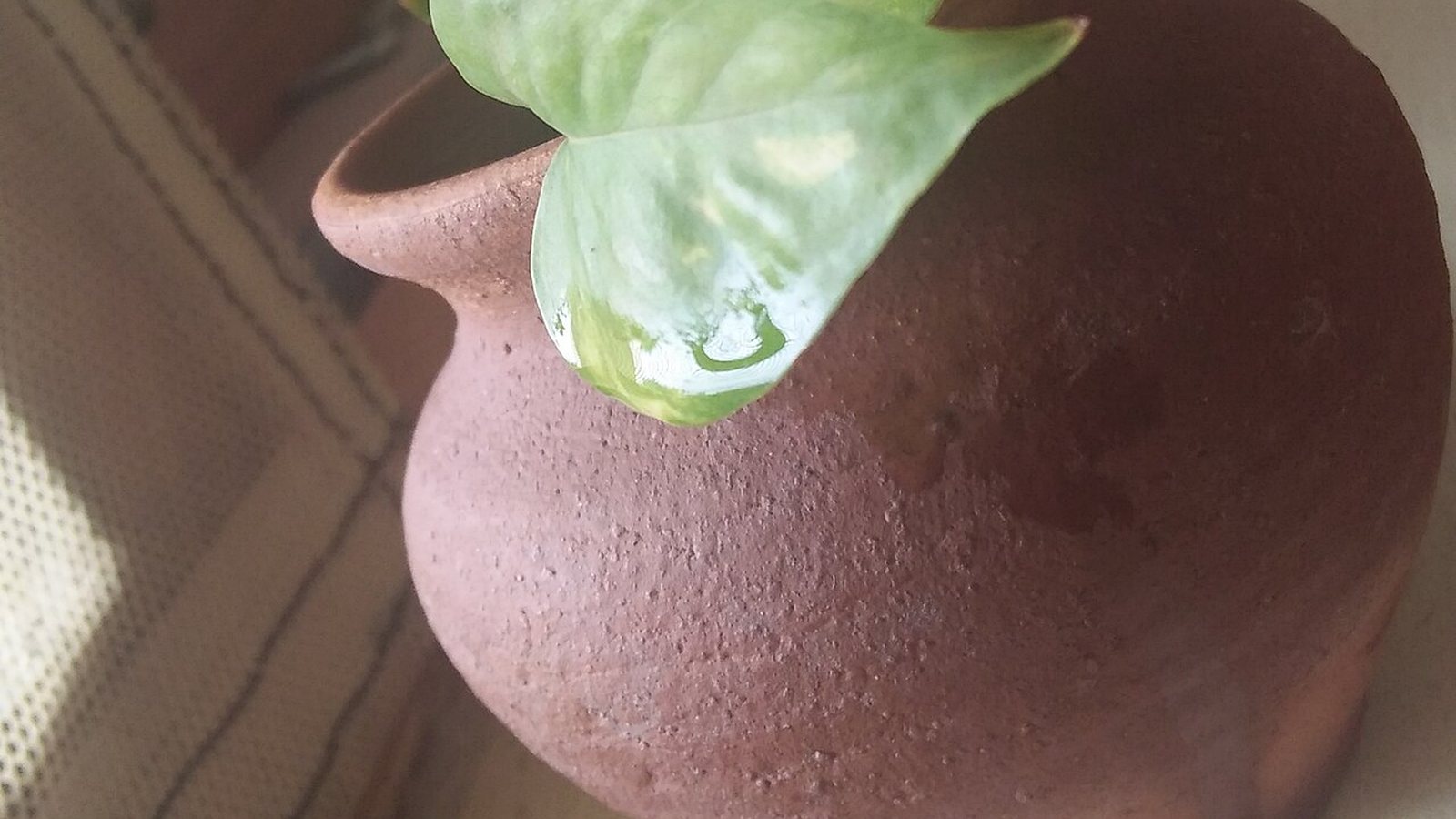 Photo: K.P.B. SAI MRUDULA · CC BY-SA 4.0
For a few days away, water houseplants thoroughly and move them back from bright windows. For about a week, a clear cover over a pebble tray helps; for one to two weeks, use pebble trays or a towel-lined bath; for three to four weeks, use wicks or capillary matting. For longer trips, ask a plant sitter.
Key takeaways
- Most houseplants cope with a few days alone; trips of more than a week need a water supply.
- Water thoroughly before leaving and move plants out of direct sun so they use less water.
- Pebble trays and the bath method add about a week; wicks from a reservoir add about two weeks.
- Plants use far less water in winter, so a week or two is usually fine if the room stays warm enough.
- For absences of more than a few weeks, a plant sitter with written notes is the safest option.
On this page9
- How long can houseplants go without water while you're away?
- Which method suits your trip?
- What should you do before you leave?
- How do pebble trays and the bath method work?
- How do you water plants with a wick or capillary matting?
- Does covering plants with a plastic bag work?
- Is a winter trip different from a summer one?
- When do you need a plant sitter?
- What should you check when you get home?
How long can houseplants go without water while you're away?
Planning plant care while on vacation starts with one question: how long will you be gone? The RHS says most houseplants cope with a few days on their own, but an absence of more than a week needs extra measures. Cacti and succulents are the exception and can go longer without water. This guide sorts the options by trip length and treats summer and winter trips separately, because a plant left in July heat in London or in January heat in Sydney dries out far faster than one left in a cool winter room.
The aim is to keep the compost evenly moist, not soaked: roots need air as well as water, so the methods below give a slow, steady supply rather than a flood.
Which method suits your trip?
Match the method to the length of your absence. The time each method buys comes from the cited extension services and is approximate: pot size, compost, temperature and the plant itself all change it.
| Time away | What to do | What the sources say |
|---|---|---|
| A few days | Water thoroughly, move plants back from bright windows | Most houseplants tolerate a few days (RHS) |
| About 1 week | Clear cover over the plant, standing on a pebble tray | Should be sufficient for 7–8 days (University of Illinois) |
| 1–2 weeks | Pebble tray, or a bath with towels and a little water | Adds roughly one extra week (UF/IFAS) |
| 3–4 weeks | Wicks from a water reservoir, or capillary matting | Keeps compost moist for about two extra weeks (UF/IFAS) |
| Over 2–4 weeks | A plant sitter, or plants moved to their home | Ask a neighbour, friend or relative (RHS, UF/IFAS) |
Thirsty, soft-leaved plants such as ferns are the ones to set up first; cacti and succulents can usually just wait.
What should you do before you leave?
- Water thoroughly a day or two before you go, so the compost is moist all the way through but not waterlogged. Empty any water left in saucers and outer pots.
- Move plants out of strong light. UF/IFAS advises moving houseplants away from warm windows and direct sun into indirect light: they use less water there and cope with lower light for a couple of weeks. The RHS suggests a cooler room for the same reason.
- Group plants together. Grouped pots lose less moisture and are easier for a helper to water.
- Tidy up. The RHS recommends general maintenance first, such as removing dead flower stalks, so plants are in good condition when you return.
- Check for pests. UF/IFAS notes that stressed plants are prone to fungus gnats, aphids and mites, so deal with any problem before you leave rather than after.
- Test your setup. Try any wick or tray a few days ahead and see whether the compost stays damp without turning soggy.
If you are unsure how much water a plant normally needs, our guide on how often to water houseplants explains how to read the compost and the weight of the pot. Flori's care profile for each plant also lists its watering, light and humidity needs so you can see which plants need a setup.
How do pebble trays and the bath method work?
For one to two weeks, UF/IFAS suggests a deep saucer or shallow bowl filled with pebbles and water. Water the plant thoroughly, then stand the pot on the pebbles so its base sits above the water, not in it. This adds about a week before the plant would need watering again.
For thirstier plants or a whole group, UF/IFAS describes a bath version: run about 5 cm (2 in) of water into the tub, lay old towels in it instead of pebbles, stand the plants on top and leave the bathroom light on. Plants should last about a week longer than usual.
How do you water plants with a wick or capillary matting?
For three to four weeks, a wick system is the classic answer. UF/IFAS describes a large bowl, pot or bucket of water placed above the plants (but not between them and their light), with cotton cords running from the water into the compost of each pot. It keeps plants moist for about two extra weeks, and you should still water them before you go.
The RHS gives two variations. For a large single pot, put one end of a strip of capillary matting in a big container of water and tuck the other end into the compost. For groups of smaller pots, lay matting on a draining board or next to the bath with one end in a sink or bath of water, stand the plants on the wet matting and press them down slightly for good contact. Water clay pots well first so they start drawing water up. The RHS warns that small reservoirs can run dry and wicks can slip out if they are not tucked in well, so use more water than you think you need and push the wick in deeply.
Does covering plants with a plastic bag work?
A clear cover traps moisture around the plant. The University of Illinois describes enclosing each plant in a clear plastic bag and standing it in a shallow pan with pebbles and some water, which should be enough for 7–8 days. The RHS recommends covers for short absences only, suggests a reusable clear cover, a propagator lid or a reused bag rather than single-use plastic, and says to hold the cover off the leaves with canes. Keep covered plants out of direct sun, where the air inside heats up quickly.
Is a winter trip different from a summer one?
Yes. In winter, plants grow slowly and use far less water. The RHS says they can usually be left for a week or two without attention, as long as the room stays above the minimum temperature each plant tolerates. Move them away from cold windows and water before you leave so the compost is moist but not waterlogged. If you turn the heating down while you are away, check that it stays warm enough: our guide to winter houseplant care covers this.
Summer is the harder season. Heat and long, bright days dry pots out fast, so use a reservoir method for anything longer than a few days, and move plants well back from sunny glass. For more on hot spells, see houseplants in summer heat.
When do you need a plant sitter?
For absences of more than a couple of weeks, the RHS advises asking a trusted neighbour, friend or relative to water. UF/IFAS goes further for trips of over four weeks: take the plants to your sitter's home, or if they are too large to move, have the sitter check them at least once a week. Leave short written notes for each plant (how often, how much, what dry compost feels like), and say clearly that saucers should be emptied after watering.
What should you check when you get home?
Feel the compost before you water. If a plant is dry, water it thoroughly and let it drain; do not make up for lost time with extra water, because the RHS notes that overwatering can lead to rots such as grey mould. Look closely at leaves and stems too: the RHS links underwatering with powdery mildew and red spider mite, so check leaf undersides for speckling or fine webbing (our guide to spider mites shows what to look for), and watch for small flies over damp compost, a sign of fungus gnats. If a plant looks wilted or spotted and you cannot tell why, Dr. Flori can work from a photo, ask follow-up questions and say how urgent it is. Move everything back to its usual spot gradually, especially plants returning to a bright window.
Frequently asked questions
How long can houseplants go without water?
Most houseplants tolerate a few days, and in winter often a week or two if the room stays warm enough. Cacti and succulents can go longer; thirsty plants such as ferns dry out first.
Do self-watering pots work for vacations?
They can, for plants that like constant moisture, because they draw water from a reservoir as needed. The RHS advises against repotting into them just for a short trip unless you already use reservoir systems.
Can I leave plants standing in water while I'm away?
No. Roots need air, and pots standing in water can rot. Stand pots on pebbles or towels above the water, or use a wick, so the compost stays moist rather than waterlogged.
Should I fertilize before going on vacation?
There is no need: water, not feed, is what keeps a plant going while you are away. Water thoroughly, tidy the plants and resume your usual feeding routine when you are back.
How often to water houseplants depends on plant type, pot, mix, light and season. Use our schedule table to set check days, then let the soil decide.
Sources
Written and fact-checked by the Flori team. Every guide cites horticultural sources such as the RHS, university extension services and the ASPCA, and is updated when the advice changes. How we write our guides
General plant care information. Plants vary; when a plant is valuable or a problem spreads quickly, consult a local nursery or plant specialist.