Amanita pantherina · Amanitaceae
Panther Cap (Amanita pantherina): Facts and Safety
The panther cap is a poisonous Amanita. What experts look at, which mushrooms it is confused with, symptoms from the sources, and who to call.
- Poisonous
Also called: panthercap
 By Flori editorial team · Updated
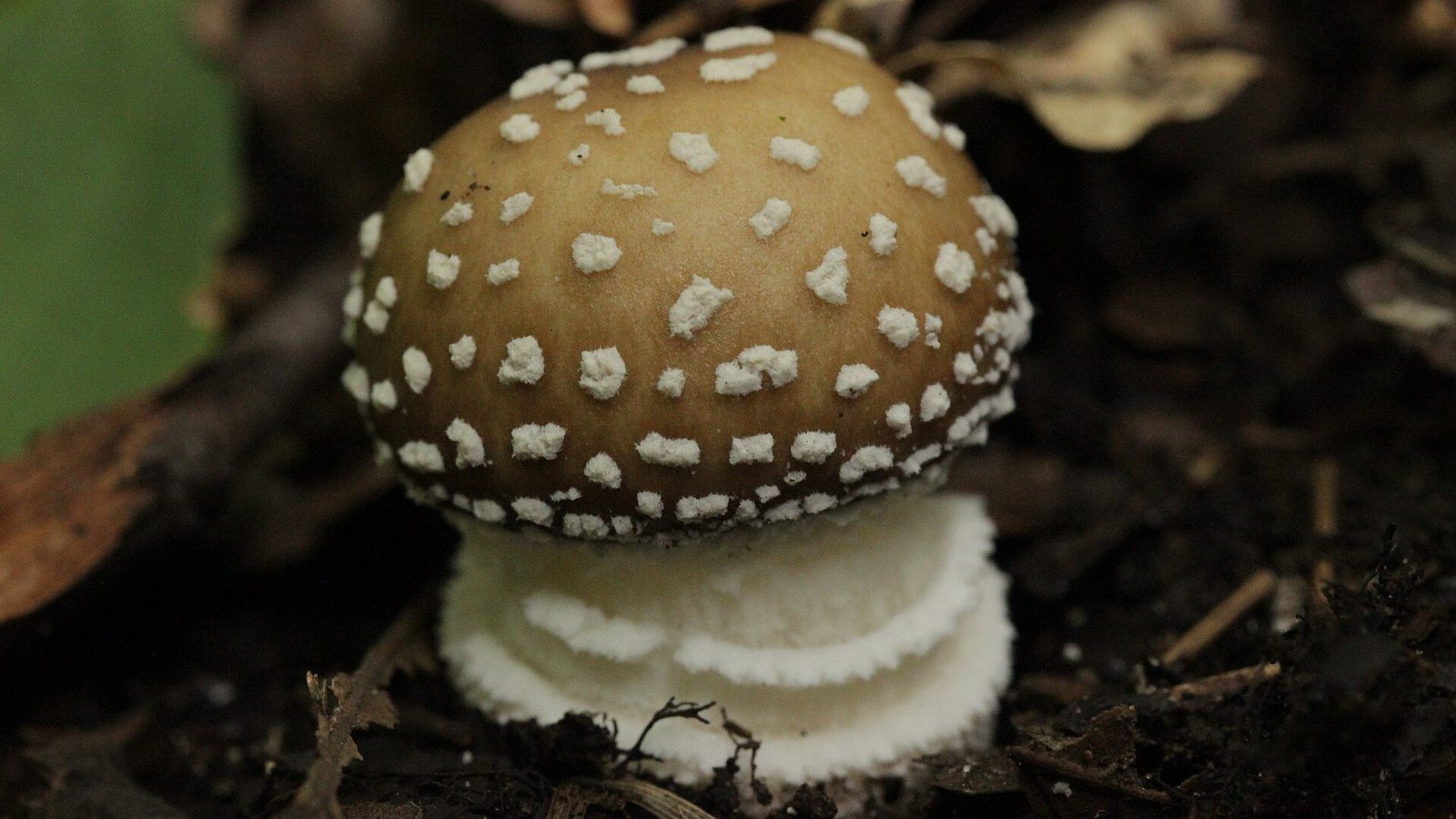 Photo: Björn S... · CC BY-SA 2.0
Never eat a wild mushroom identified from a photo, an app or this page. If someone may have eaten one, call your poison centre now.
The panther cap (Amanita pantherina) is a poisonous woodland mushroom: brown cap with white spots, often confused with other Amanitas. Its toxins act on the nervous system, and a mix-up with a deadly Amanita is possible. Never eat a wild mushroom identified from a photo or app. If one was eaten, call a poison line now.
At a glance
- Edibility
- Poisonous; never eat a wild mushroom identified from a photo or app
- Season
- Autumn in Türkiye; seasons differ elsewhere
- Habitat
- Woodland on broadleaf and coniferous trees, rarely pasture
- Cap
- Brown to dark chestnut with white spots; up to about 10 cm (4 in)
- Gills or pores
- Not covered by our approved sources; spores are white
- Spore print
- White
- Look-alikes
- Other Amanitas, including deadly ones; fly agaric; always ask an expert
On this page5
What does a panther cap look like?
The panther cap (Amanita pantherina) is a poisonous woodland mushroom that people confuse with other Amanitas, and sometimes with mushrooms that are eaten. This page describes what experts look at. It is not a way to decide that a mushroom is safe, and nothing here can do that.
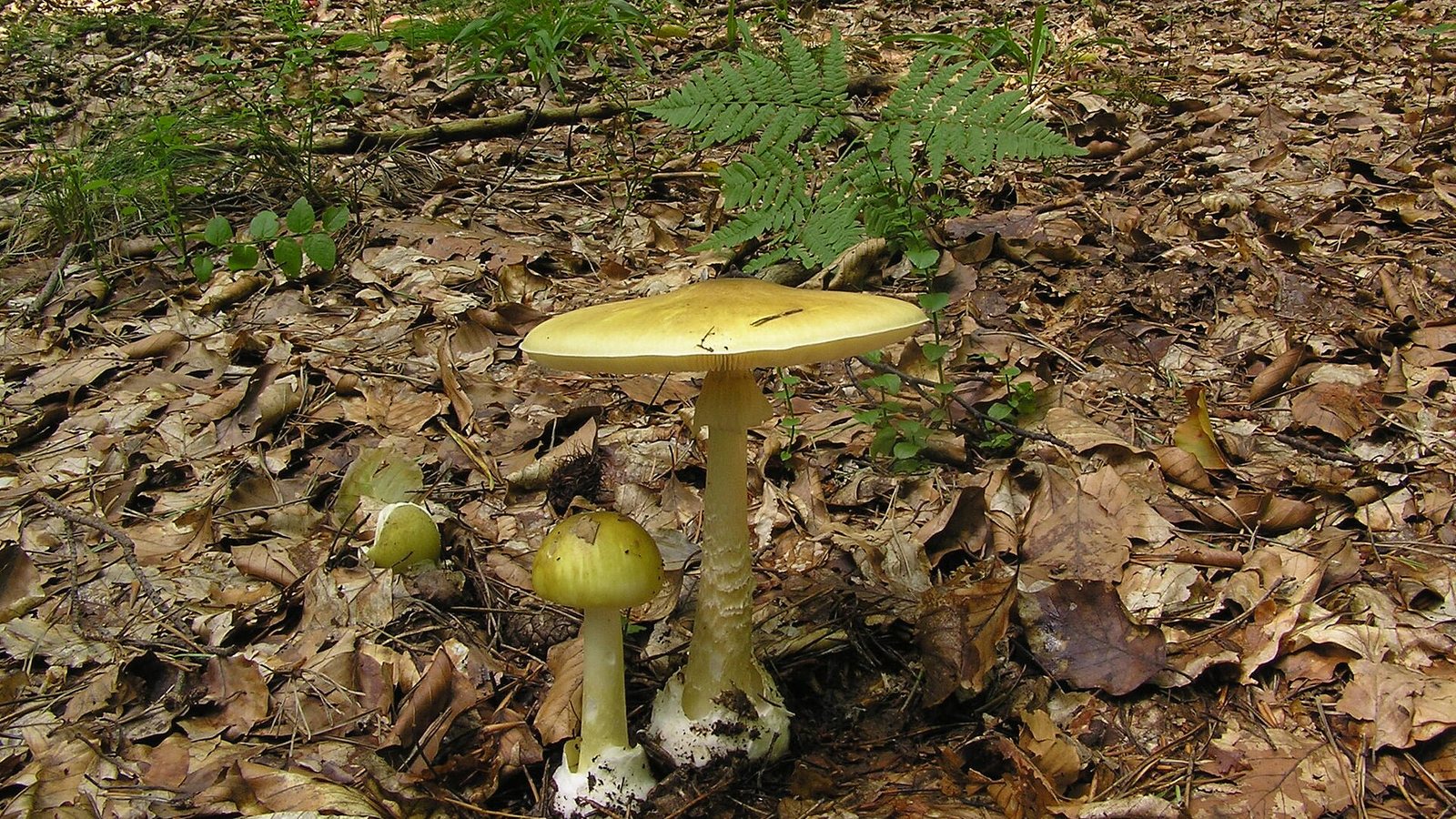
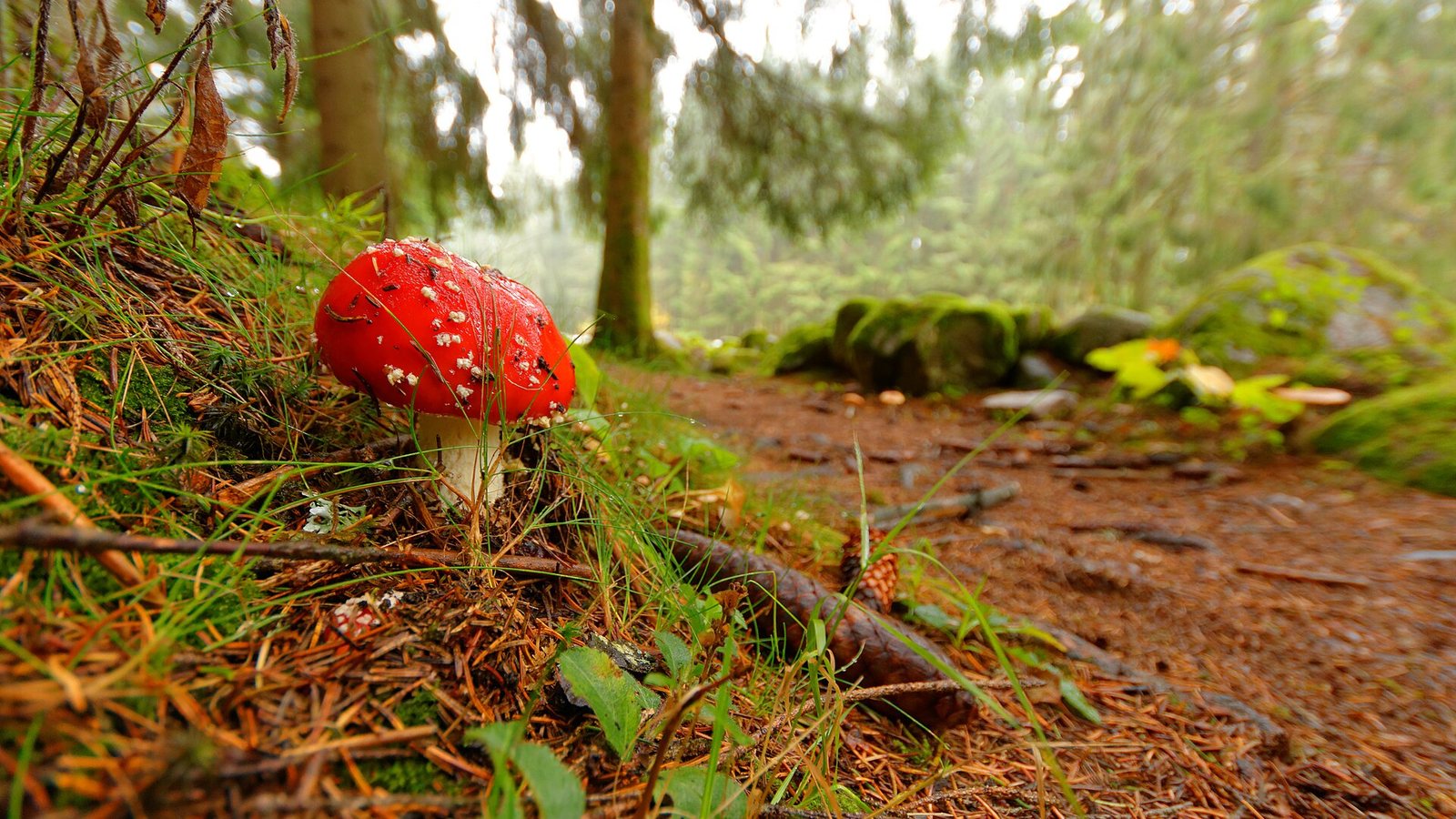
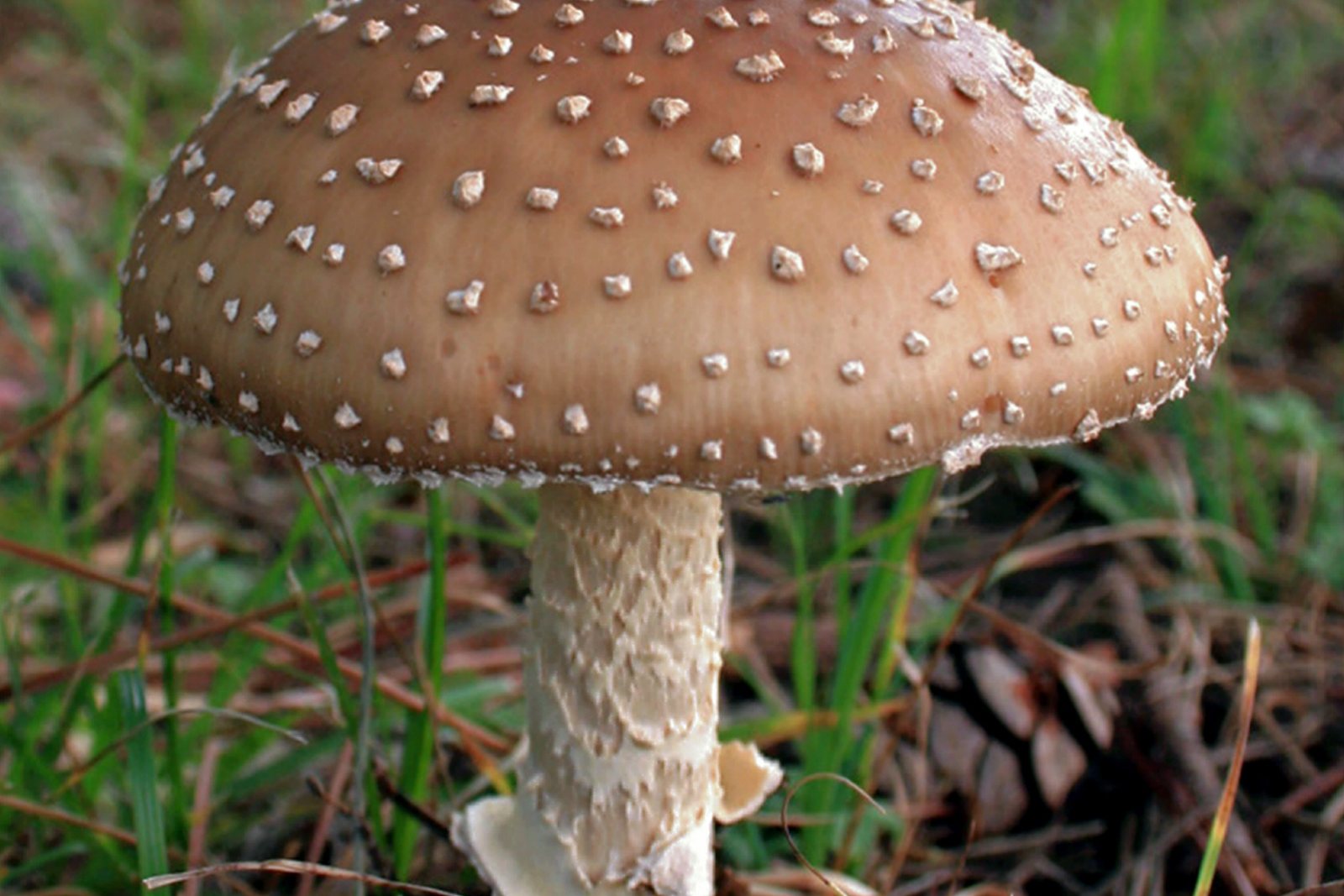
The Türkiye Yaban Hayatı species page describes a cap that ranges from brown to dark chestnut, with white spots left over from the universal veil (the membrane that wraps a young mushroom). It adds a white stem, a thin ring and a sharp-edged volva (a cup-like sac) at the base. The University of Washington Burke Herbarium gives a cap of up to about 10 cm (4 in) across and white spores. Experts look at the whole mushroom, including the base that is often left in the ground when a mushroom is picked. A cap on its own, or a photo of one, is not enough.
Which mushrooms is it confused with?
Look-alikes run in both directions, and that is what makes the panther cap risky.
- Other Amanitas, in both directions. Field guides name the blusher (Amanita rubescens) and the grey spotted amanita (Amanita excelsa) as species people mix up with the panther cap. We could not confirm the details in an approved source, so this page gives no way to tell them apart. Treat any Amanita as dangerous until an expert says otherwise.
- Fly agaric (Amanita muscaria). The Ohio State University fact sheet lists the fly Amanita as poisonous, with a reddish-orange to yellow cap and whitish warts. It carries the same family of toxins as the panther cap (see below).
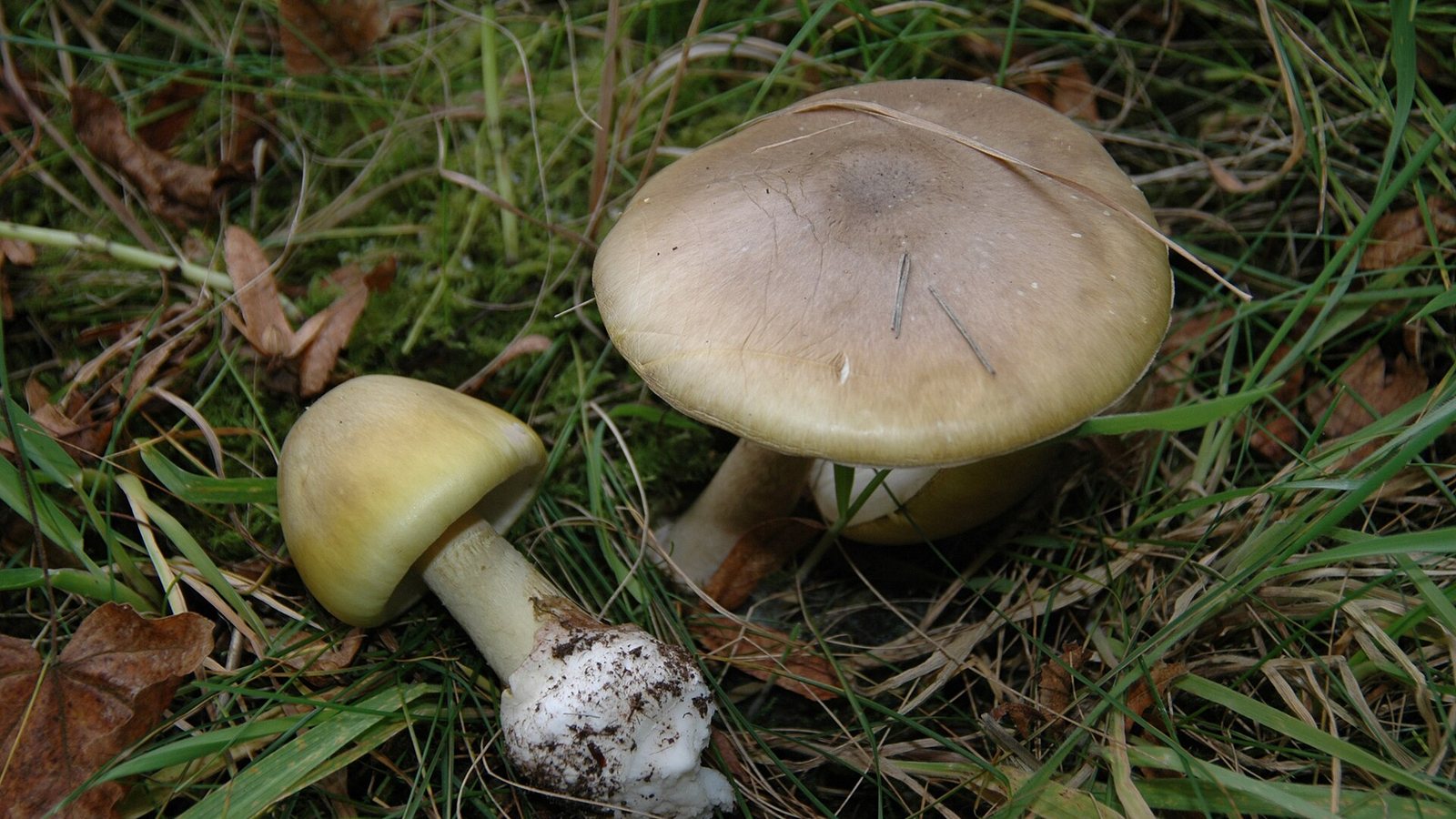
- Deadly Amanitas. The death cap (Amanita phalloides) and destroying angels are in the same genus. The Australian National Botanic Gardens says one death cap can kill a healthy adult, and the Ohio State fact sheet calls the destroying angel poisonous and deadly. Read the death cap guide before you pick any mushroom with a ring and a bulbous base. A panther cap eaten by mistake for a death cap, or the other way round, is a serious error.
- Edible mushrooms people pick by mistake. Wild mushrooms get picked for the wrong reasons. The cap colour, a few warts or a ring do not settle it, and a young button can look very different from an adult.
Never use colour, smell, taste, peeling the cap, silver, or the fact that animals or insects eat it as a test. The Ohio State fact sheet labels the silver spoon, peeling and squirrel myths as false, and the North American Mycological Association (NAMA) says colour, insect damage, smell and folklore are not reliable tests of edibility. For a longer explanation, see how to tell if a mushroom is poisonous.
Flori can suggest a name from a photo of a mushroom, but a photo is never a reason to eat it. Read what an app can and cannot do.
When and where does it grow?
The Burke Herbarium lists woodland habitat, rarely pastures, on broadleaf trees. The Türkiye Yaban Hayatı page says it grows in coniferous and broadleaf forests, most often on lime-rich, humus-rich soil, and is most often seen in autumn; it lists Kırklareli among the places it has been observed. Seasons differ between countries and between the northern and southern hemispheres. Our sources do not give a range for the southern hemisphere, and in any case the season of a mushroom is not a safety guide.
Also note that sources use the name A. pantherina for related species in other regions. The NAMA syndrome page names several North American relatives together with it. Do not assume that a label from one region fits a mushroom somewhere else.
How poisonous is it, and what are the symptoms?
The Burke Herbarium lists it as poisonous and says it causes a number of accidental poisonings of people and of dogs, especially puppies. It names ibotenic acid and notes that levels are typically higher than in the fly agaric and highest in the dark brown forms. Edibility in our badge is therefore "poisonous".
NAMA groups the panther cap with the fly agaric under the same toxins, ibotenic acid and muscimol. It says symptoms appear within 30 minutes to 2 hours after eating and last for several hours. Nausea and vomiting are common, and the main effects are on the central nervous system: confusion, visual distortion, a feeling of greater strength, delusions and convulsions. Drowsiness is common, and some people fall asleep and cannot be roused; in rare cases a coma-like state lasts more than 24 hours. NAMA also says there are no reliably documented deaths from these toxins in people in the past 100 years, and that dogs and especially cats can die from them. That is not a reason to take a risk: a mushroom that looks like a panther cap may be something else, and a mix-up with a death cap is possible.
The delay matters. The amatoxins of the death cap and its relatives cause no symptoms for 6 to 24 hours while the liver and kidneys are being damaged, according to NAMA. Feeling fine after eating an unknown mushroom, or feeling better after a first bout of illness, is not a sign that all is well. Our guide to mushroom poisoning symptoms goes through the stages.
What should you do if someone has eaten a panther cap or an unknown mushroom?
- Call the poison line now, before any symptoms. Türkiye: UZEM 114 (Ulusal Zehir Danışma Merkezi). United States: Poison Control 1-800-222-1222. United Kingdom: NHS 111. Elsewhere, call your local emergency number. Do not wait to see what happens.
- Keep a sample. Save leftovers, uncooked pieces, or more of the same mushroom from where it grew, with its base. NAMA advises keeping photographs or specimens that may help with identification. A paper bag kept cool is better than plastic.
- Write down the facts: who ate it, how much, when, and whether it was raw or cooked.
- Pets too. If a dog or cat may have eaten a wild mushroom, call your vet immediately; in the US the ASPCA Animal Poison Control Center can also help. See poisonous mushrooms and dogs.
This page gives no treatment advice: treatment decisions belong to a hospital and a poison centre. Wild mushroom safety starts before the basket; read is it safe to pick wild mushrooms.
Frequently asked questions
Is the panther cap poisonous?
Yes. The Burke Herbarium (University of Washington) lists Amanita pantherina as poisonous and says it causes a number of accidental poisonings of people and dogs. If someone may have eaten it, call a poison line at once.
What is the panther cap called in Turkish?
The Türkiye Yaban Hayatı species page calls Amanita pantherina "panter mantarı" (panther mushroom).
How soon do symptoms start after eating a panther cap?
NAMA says symptoms of this toxin group appear within 30 minutes to 2 hours and last for several hours. A mushroom that was mistaken for another Amanita may cause delayed symptoms, so call a poison line before anything shows.
Can you eat a panther cap if you cook it?
No. It is listed as poisonous, and our sources give no safe way to prepare it. Never eat a wild mushroom identified from a photo or an app.
Is a panther cap dangerous for dogs and cats?
NAMA says dogs and especially cats can die from the isoxazole toxins in this group of mushrooms. Call your vet immediately if a pet may have eaten a wild mushroom.
Sources
- University of Washington Burke Herbarium Image Collection: Amanita pantherina
- North American Mycological Association: Mushroom Poisoning Syndromes
- North American Mycological Association: Wild Mushroom Safety
- Australian National Botanic Gardens: Deathcap
- Ohio State University CFAES: Wild Mushrooms
- Türkiye Yaban Hayatı: Amanita pantherina
Written and fact-checked by the Flori team. Every guide cites horticultural sources such as the RHS, university extension services and the ASPCA, and is updated when the advice changes. How we write our guides
General plant care information. Plants vary; when a plant is valuable or a problem spreads quickly, consult a local nursery or plant specialist.