Best Large Floor Plants for Bright and Dim Rooms
Eight big floor plants sorted by light: fiddle-leaf fig, rubber plant, bird of paradise, palms, dragon tree and more, with height and pet safety for each.
 By Flori editorial team · Updated
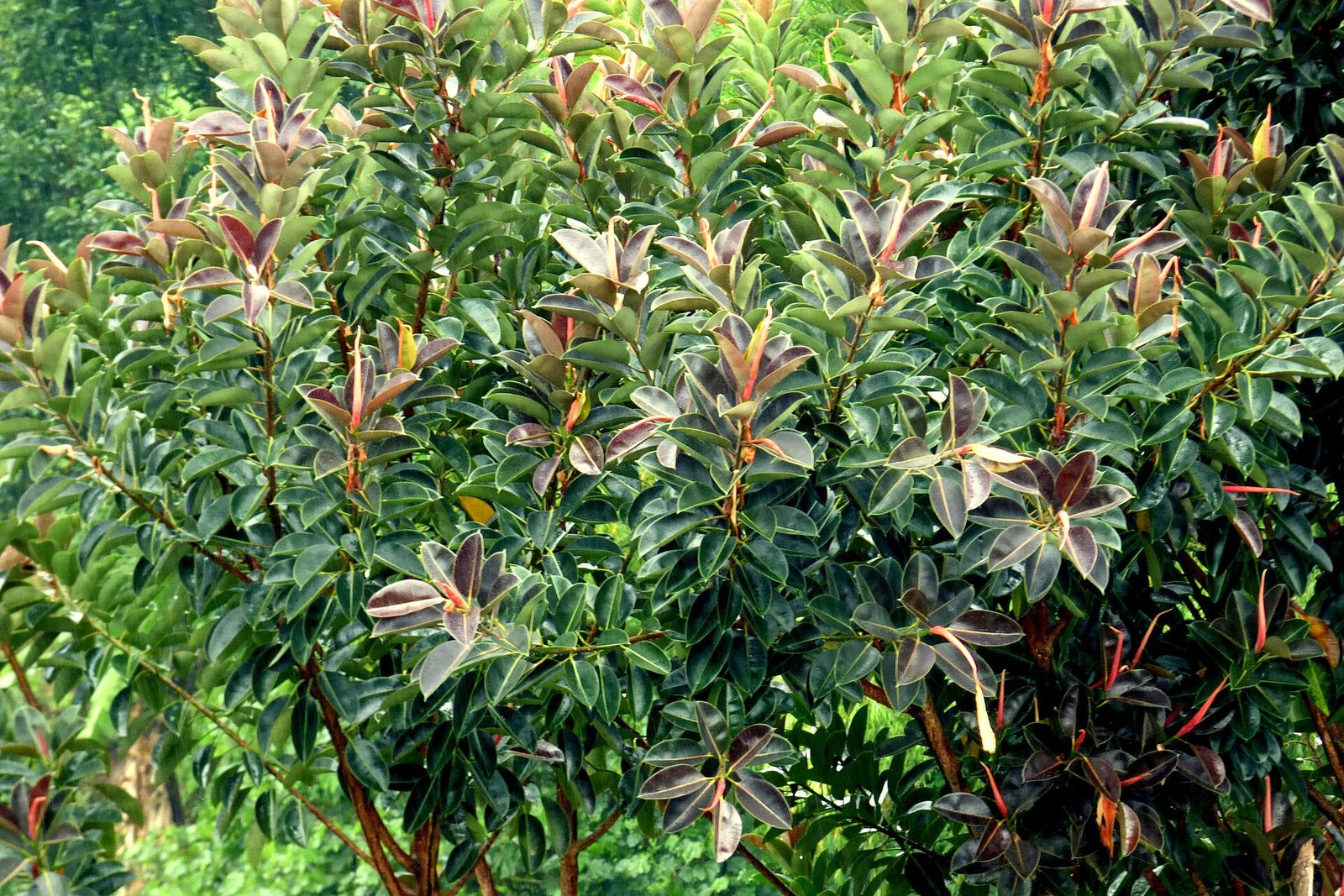
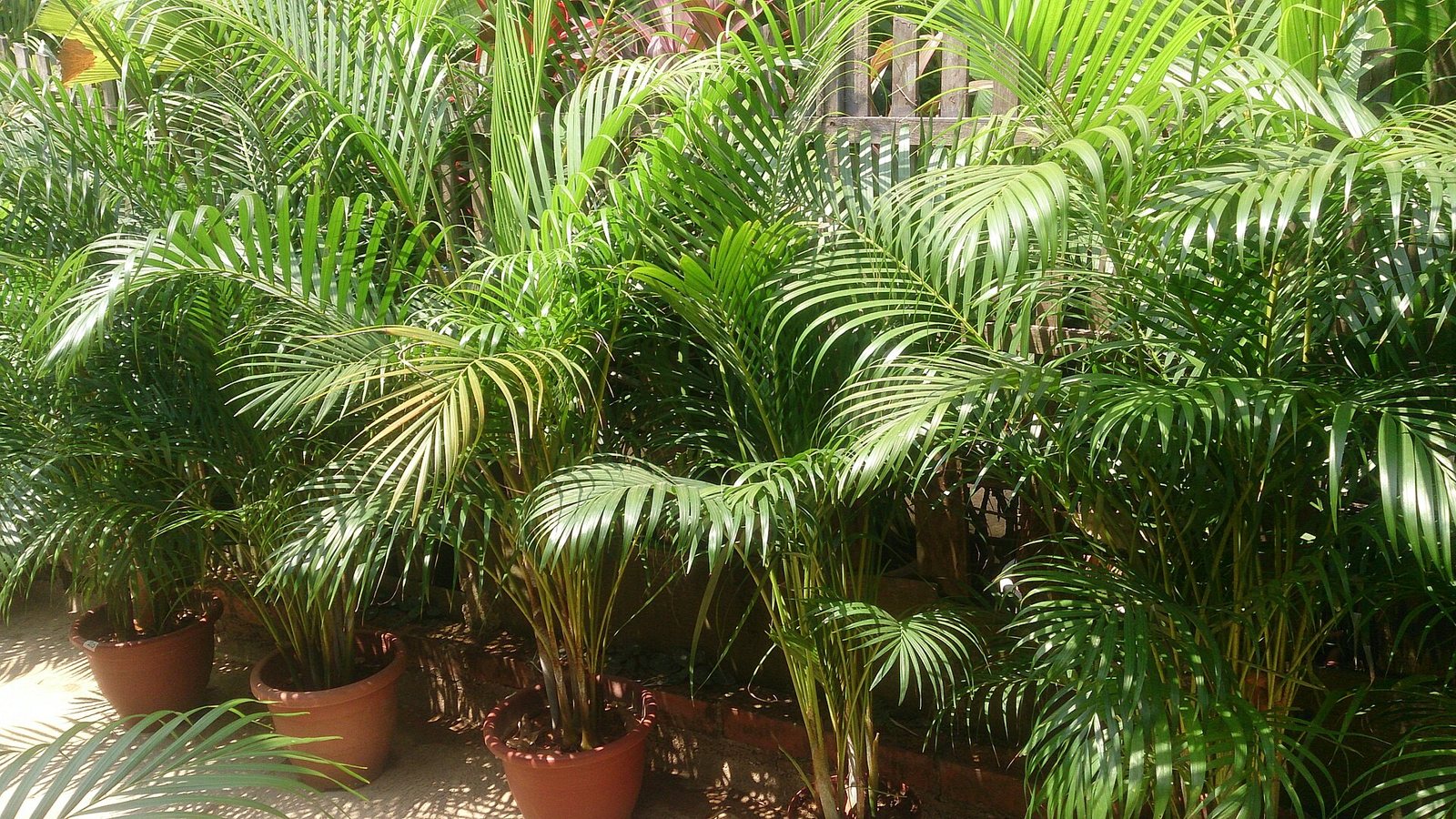 Photo: Mokkie · CC BY-SA 3.0
For bright rooms choose fiddle-leaf fig, rubber plant, bird of paradise or areca palm. For dim rooms choose dragon tree, ZZ plant, kentia palm or monstera. Typical indoor height is 0.6 to 3 m. Only the areca and kentia palms are listed as non-toxic to cats and dogs.
Key takeaways
- Match the plant to the light first: fiddle-leaf fig, rubber plant and bird of paradise need bright spots; dragon tree and ZZ plant cope with dim ones.
- Most large floor plants on this list are toxic to cats and dogs; the areca and kentia palms are the pet-safe exceptions.
- Indoor heights range from about 60 cm to 3 m, and pruning keeps them smaller.
- Tolerating low light means slow growth, not thriving.
- Measure light at the spot before you buy, and use a pot with drainage.
On this page6
Which large floor plants suit your room?
A large floor plant is the one purchase that changes a room, and the right one depends less on taste than on light. Some tall plants need a sunny spot close to a window, while others cope with a dim corner and simply grow slowly. This guide sorts eight big houseplants by the light they need, with the height you can expect indoors and the pet safety of each, because several popular ones are toxic to cats and dogs. Heights are what extension sources give for plants grown indoors; trained or pruned plants will be smaller. If you are not sure which kind of room you have, read our guide to how much light houseplants need first.
Large floor plants at a glance
| Plant | Typical height indoors | Light | Cats and dogs |
|---|---|---|---|
| Fiddle-leaf fig (Ficus lyrata) | 0.6 to 3 m (2 to 10 ft) | Bright, indirect | Toxic (NC State) |
| Rubber plant (Ficus elastica) | 0.6 to 3 m (2 to 10 ft) | Bright, indirect | Toxic (NC State) |
| Bird of paradise (Strelitzia reginae) | 90 to 120 cm (3 to 4 ft) | Sunny, well lit | Toxic (ASPCA) |
| Areca palm (Dypsis lutescens) | Smaller than outdoors; tall with age | Bright, indirect | Non-toxic (ASPCA) |
| Monstera (Monstera deliciosa) | 1.8 to 2.4 m (6 to 8 ft) | Moderate, no direct sun | Toxic (ASPCA) |
| Kentia palm (Howea forsteriana) | Slow-growing; fronds up to 3 m | Moderate | Non-toxic (NC State) |
| Dragon tree (Dracaena marginata) | About 1.8 m (6 ft) | Bright to shade | Toxic (ASPCA) |
| ZZ plant (Zamioculcas zamiifolia) | 60 to 120 cm (2 to 4 ft) | Low to bright, indirect | Toxic (NC State) |
Which large plants need a bright room?
UF/IFAS Extension defines high light as about 500 to 1,000 foot-candles, found near windows such as unshaded east- or west-facing ones or shaded south-facing ones. These plants belong there.
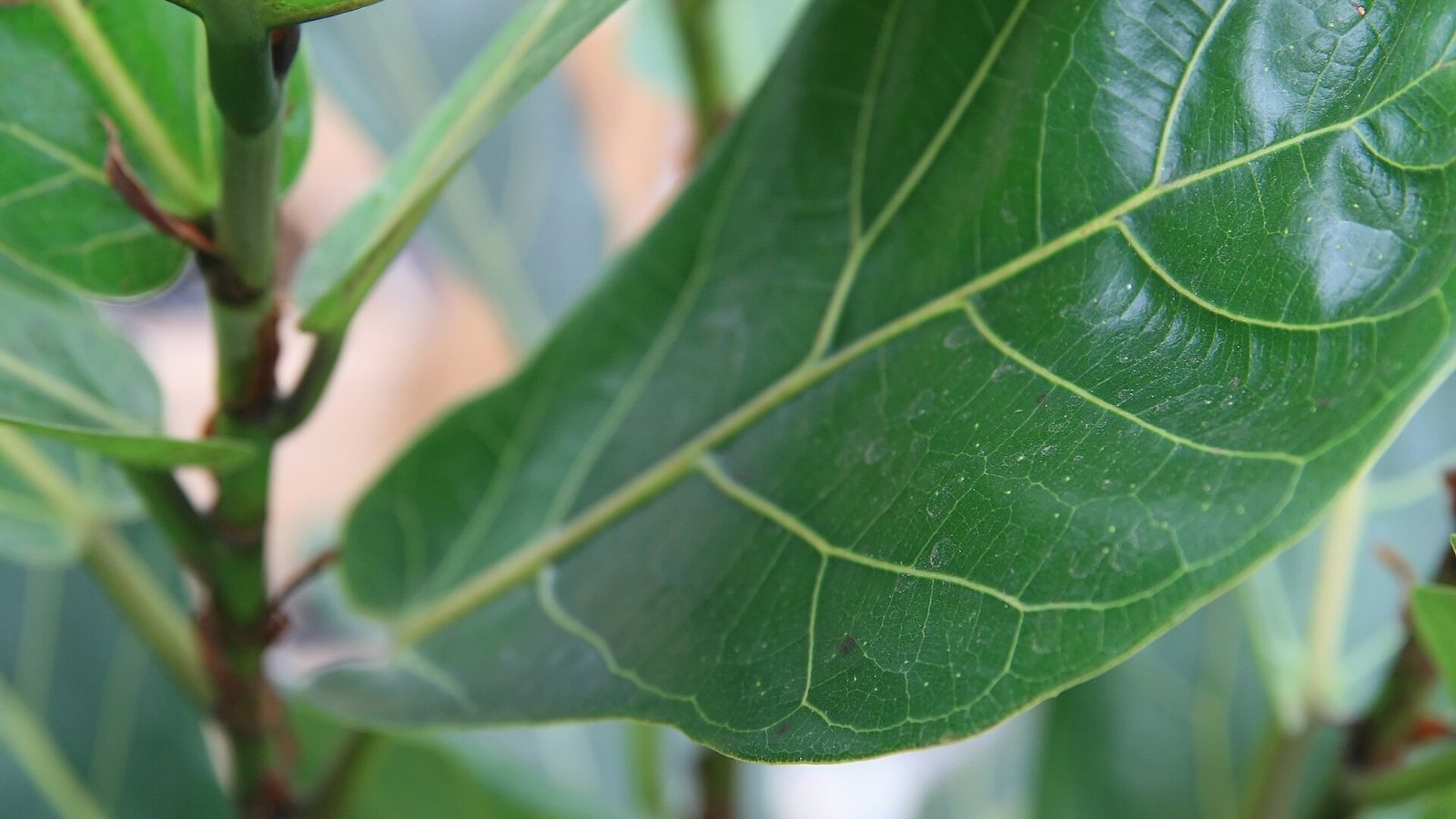
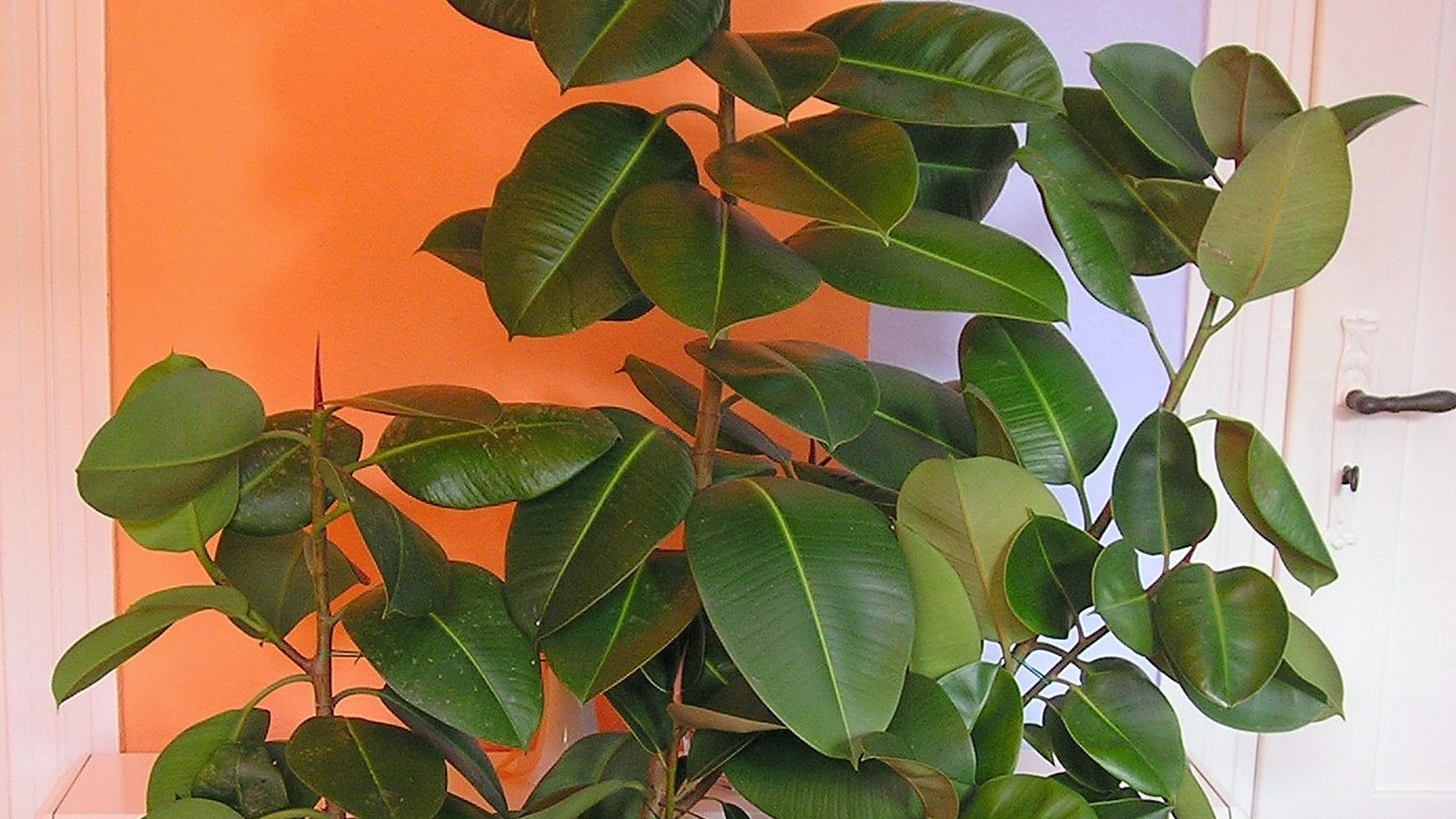
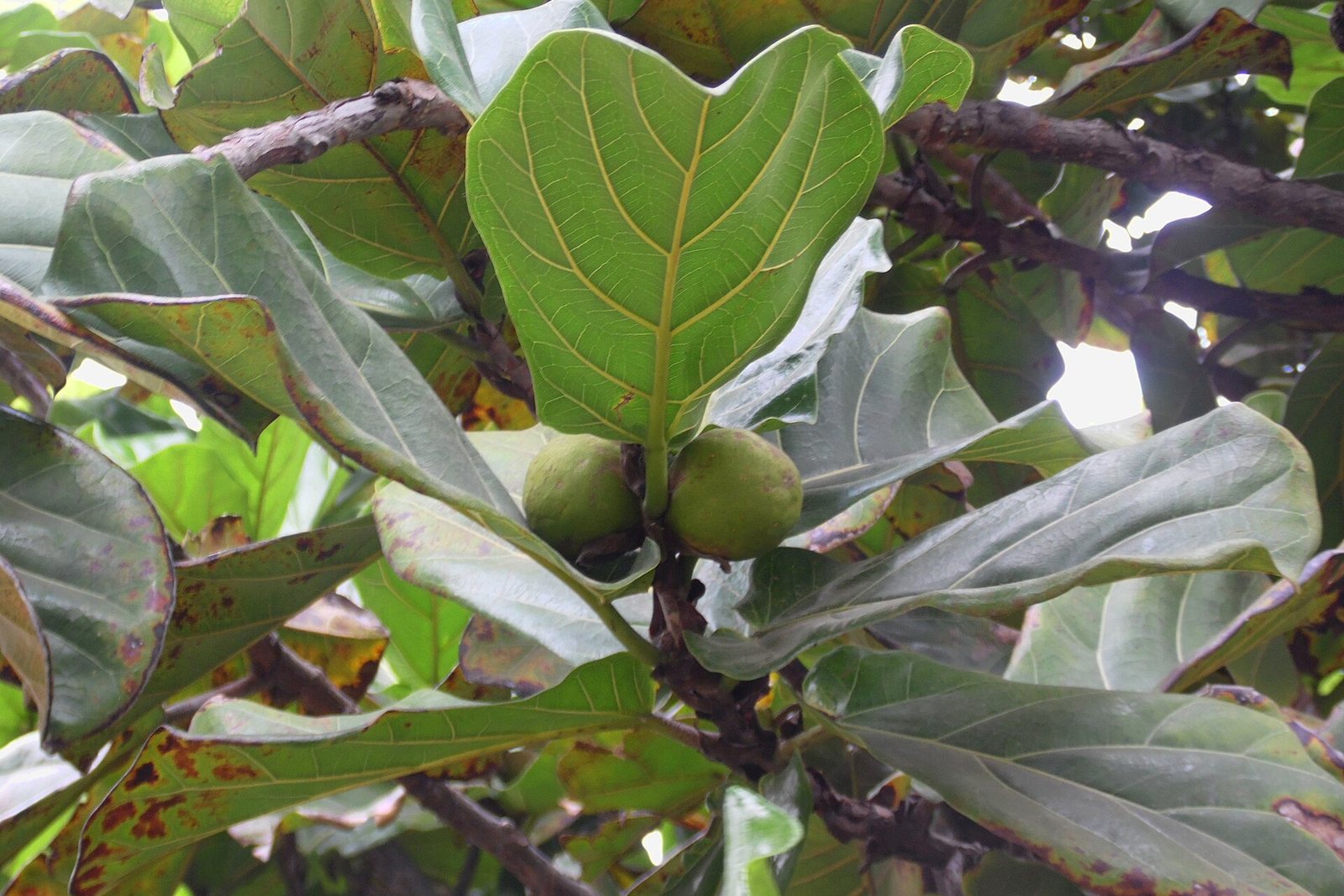
Fiddle-leaf fig and rubber plant. NC State Extension says both grow best in bright, indirect light and need protection from hot afternoon sun. Indoors both are usually kept to 0.6 to 3 m (2 to 10 ft), and the rubber plant cultivar 'Robusta' reaches up to 2.4 m (8 ft). Both are on NC State's list as a problem for cats and dogs. The ASPCA does not list the fiddle-leaf fig by that name and lists other fig species as toxic, so treat both as toxic if you have pets.
Bird of paradise. This is the one that wants real sun: NC State recommends a well-lit, sunny spot, and its page lists 6 or more hours of direct sun as full-sun conditions. It stays at 90 to 120 cm (3 to 4 ft) in size, with leaves up to 1.2 m (4 ft) long. The ASPCA lists the bird of paradise flower as toxic to cats and dogs, so keep it where they cannot chew it.
Areca palm. Bright, indirect light suits an areca palm, and it is one of the few large bright-room plants that the ASPCA lists as non-toxic to dogs, cats and horses. NC State's page notes a conflicting low-severity poison rating, so check with a vet if a pet eats it.
Which large plants cope with a dim room?
UF/IFAS defines low light as 25 to 100 foot-candles, a spot lit mainly by ceiling lights or far from windows, and medium light as 100 to 500 foot-candles, such as an unshaded north-facing window. Tolerating low light is not the same as thriving in it. For dim rooms, see the longer list in best plants for low light rooms; these are the tall choices.
Dragon tree. NC State says bright, indirect light is ideal but lists tolerance of deep shade, and Iowa State Extension says low light may make it bend and stretch. Expect about 1.8 m (6 ft) indoors, and prune to keep it smaller. The ASPCA lists it as toxic to dogs, cats and horses, and cats may show vomiting, drooling and dilated pupils.
ZZ plant. Iowa State says it does exceptionally well in low light and tolerates dry soil. NC State gives 60 to 120 cm (2 to 4 ft) and says to avoid direct sun, which can scald the leaves. NC State rates it as medium toxicity for cats and dogs.
Kentia palm. It is slow and needs space: NC State describes fronds up to 3 m (10 to 12 ft) long and recommends moderate light indoors. It tags the palm as non-toxic, and the ASPCA lists its relative, the sentry palm, as non-toxic.
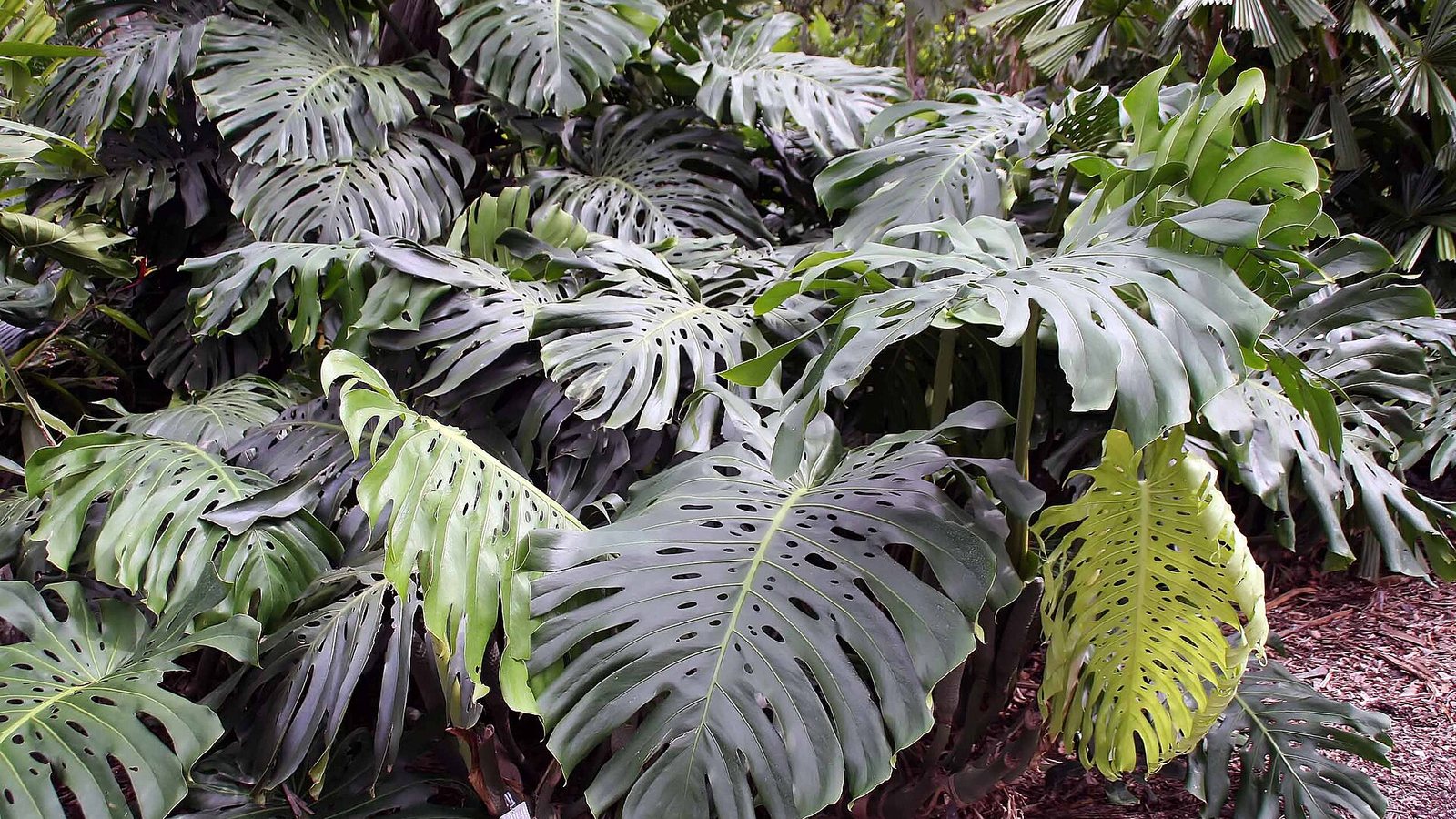
Monstera. NC State says moderate brightness without direct sun, and variegated forms need more light than plain green ones. It stays at 1.8 to 2.4 m (6 to 8 ft) in most homes. The ASPCA lists monstera as toxic to dogs and cats because of insoluble calcium oxalates, which cause mouth irritation, drooling and vomiting. See our monstera care guide for how to grow it.
How do you choose a floor plant for a pet household?
If cats or dogs share the room, the safe choices on this list are the areca palm and the kentia palm. Everything else here is listed as toxic to some degree, usually with mouth irritation and vomiting rather than anything worse, but severity varies, so ask a vet or call ASPCA Animal Poison Control if a pet eats part of one. Our pet-safe houseplants guide has more options, and you can also check a plant in the Flori app before you buy: search the database by name or identify it from a photo, and the care profile shows toxicity along with light, watering, humidity and temperature.
How to place and care for a big plant
- Measure the light, not the room. Light falls off quickly with distance from the glass, so a spot a few metres from a window may be much dimmer than one beside it. The Flori Smart light meter can help you check the spot before you buy.
- Choose a pot with drainage. A pot slightly larger than the root ball is easier to water well than a huge one. Our choosing the right pot guide explains why.
- Rotate a quarter turn every week or two so the plant does not lean towards the window.
- Water by the soil. Large pots stay wet longer in winter, so check several centimetres down before watering.
- Keep it away from draughts and heaters. Sudden cold or hot air can drop leaves.
Frequently asked questions
What is the easiest large floor plant?
The ZZ plant and dragon tree are the most forgiving: Iowa State says the ZZ plant does exceptionally well in low light and tolerates dry soil, and NC State lists the dragon tree as tolerant of deep shade. Both are toxic to pets.
Which large plants are safe for cats and dogs?
The ASPCA lists the areca palm as non-toxic to dogs, cats and horses, and NC State tags the kentia palm as non-toxic. Most other large plants are toxic to some degree.
How tall do fiddle-leaf figs and rubber plants get indoors?
NC State says both are usually kept between 0.6 and 3 m (2 to 10 ft) indoors, with some rubber plant cultivars reaching up to 2.4 m.
Can a big plant live in a room with no direct sun?
Yes, if it is a plant that does not need direct sun, such as a dragon tree, ZZ plant, kentia palm or monstera. Bird of paradise needs a sunny spot.

Eight plants that cope with low light rooms, ranked by extension advice, with watering and ASPCA pet safety for each, plus the ones to avoid.
Sources
Written and fact-checked by the Flori team. Every guide cites horticultural sources such as the RHS, university extension services and the ASPCA, and is updated when the advice changes. How we write our guides
General plant care information. Plants vary; when a plant is valuable or a problem spreads quickly, consult a local nursery or plant specialist.