Best Plants for a Dorm Room or Small Desk
Seven small plants for a dorm room or desk, with size, light and pet safety: spider plant, pothos, snake plant, ZZ, peperomia, African violet, haworthia.
 By Flori editorial team · Updated
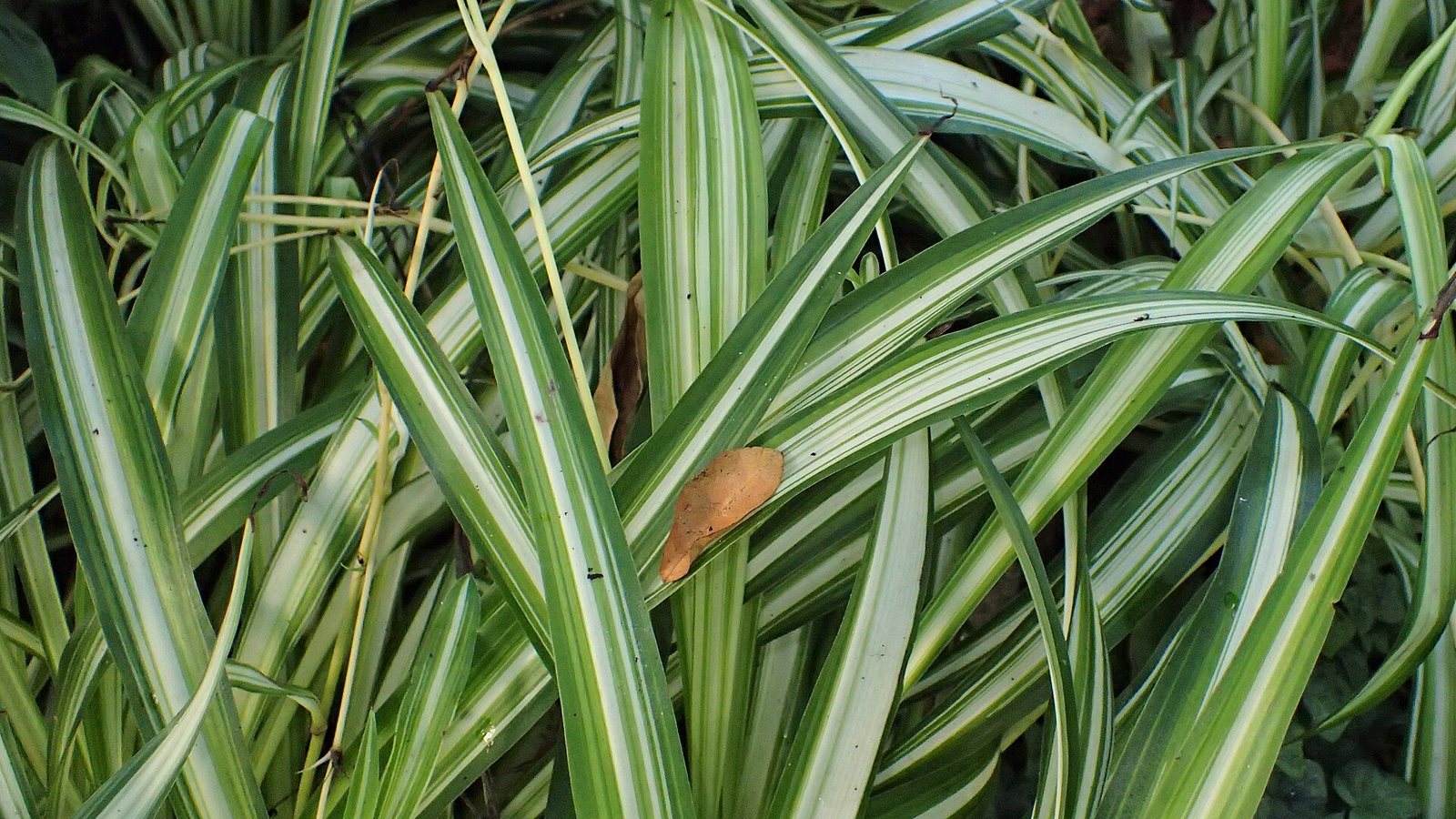
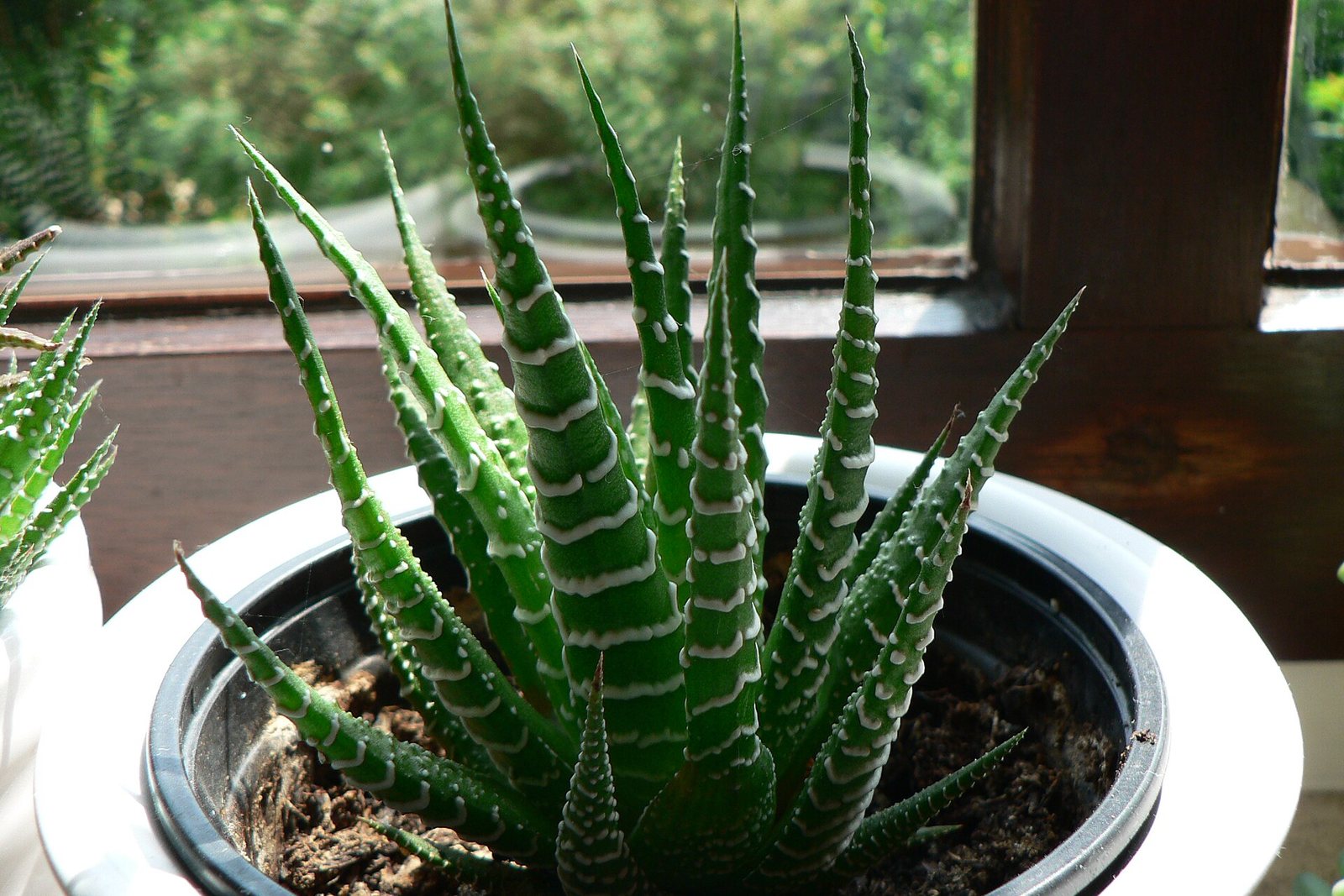
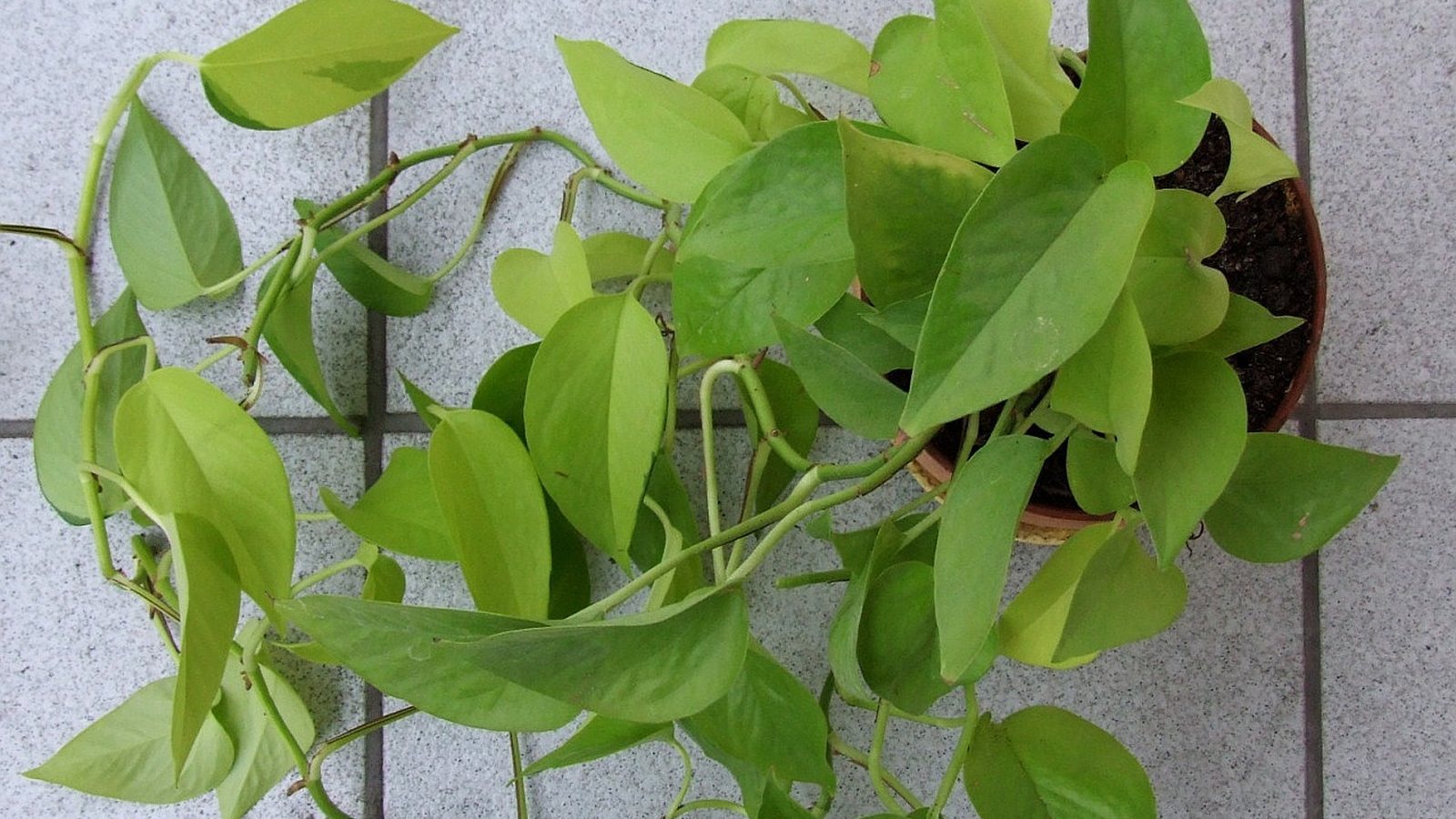 Photo: Jerzy Opioła · CC BY 3.0
For a dorm room or small desk choose a spider plant, pothos, dwarf snake plant, ZZ plant, peperomia, African violet or zebra haworthia. All tolerate dim windows and dry spells. Spider plant, peperomia, African violet and haworthia are non-toxic to cats and dogs; pothos, snake plant and ZZ are toxic.
Key takeaways
- Pick for your light: snake plant and ZZ tolerate the dimmest rooms.
- Spider plant, peperomia, African violet and haworthia are listed as non-toxic to cats and dogs.
- Water by the soil, not the calendar: most of these plants prefer drying out to constant wet.
- A 10 to 12 cm (4 to 5 in) pot is enough for most, and the ZZ plant needs more room.
- Use a pot with a drainage hole, or keep the plant in a nursery pot inside a decorative one.
On this page7
Which plants work best in a dorm room or on a small desk?
A dorm room plant has to survive three things: a dim window, a busy student who forgets to water, and not much space. The best choices are small, forgiving and tolerant of low light, and several are also safe for a roommate's cat or dog. This guide covers seven plants that fit on a desk or windowsill, with the size you can expect, the light each one tolerates and whether it is toxic to pets, so you can choose in a minute. All sizes and light ranges come from NC State Extension's Plant Toolbox unless noted; pet safety is as listed there or by the ASPCA. If your room has no daylight at all, our guide to best plants for low light rooms explains how dim is too dim.
Seven small plants at a glance
| Plant | Size | Light | Pets (cats and dogs) |
|---|---|---|---|
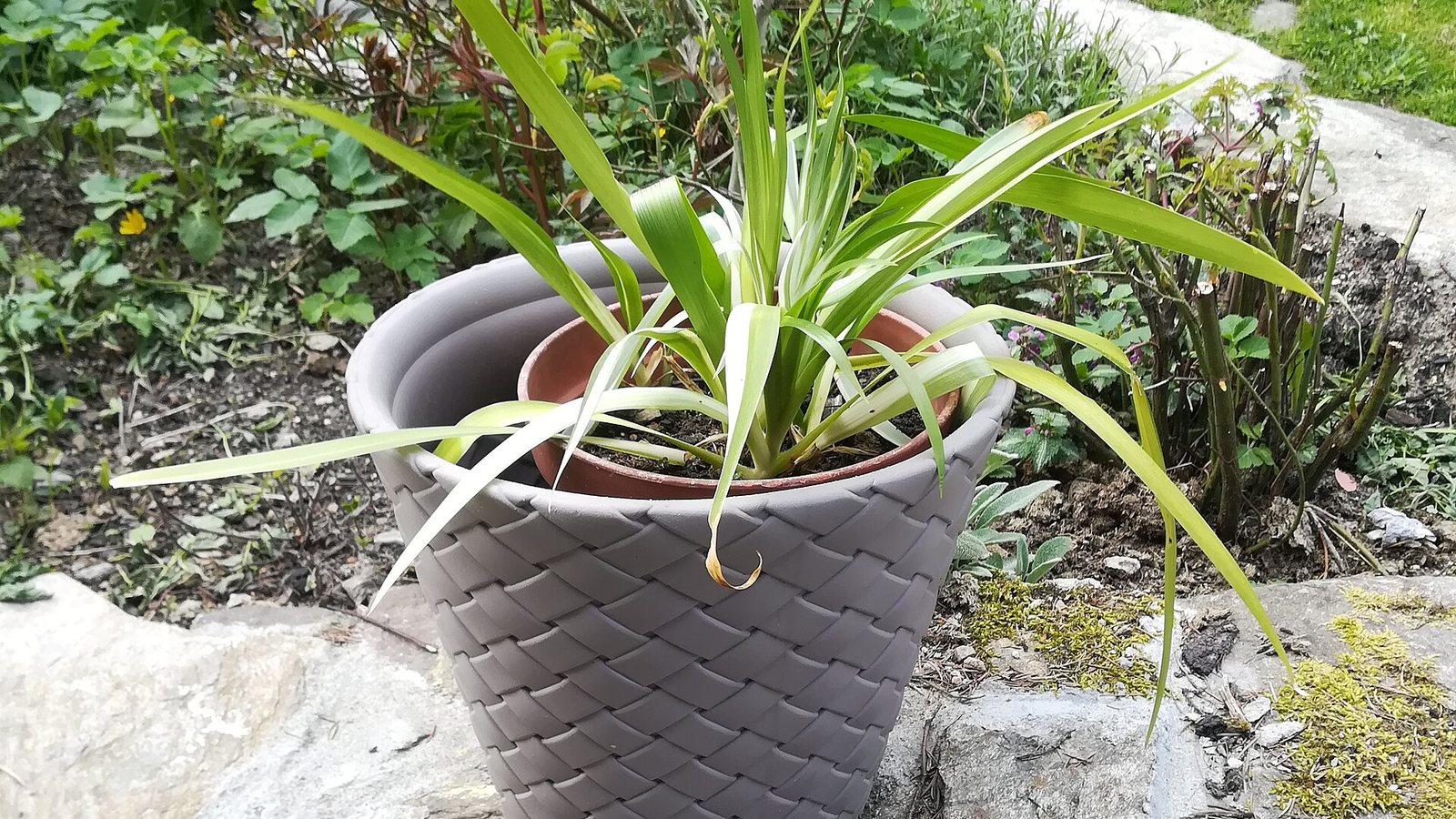
| Spider plant (Chlorophytum comosum) | 30 to 45 cm (12 to 18 in) tall | Dappled to deep shade; no direct sun | Non-toxic |
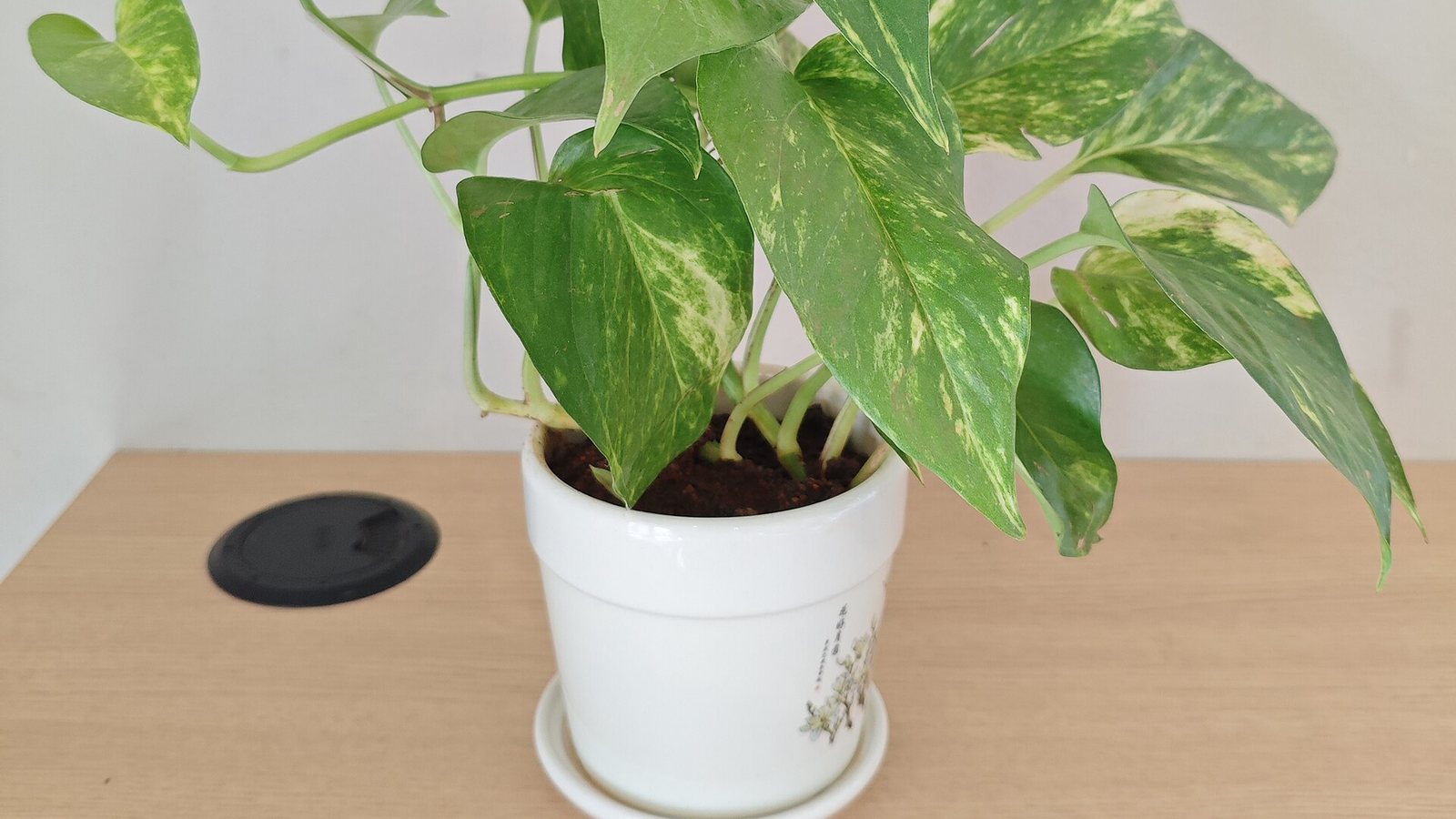
| Pothos (Epipremnum aureum) | Trailing vines, can hang or climb | Bright indirect; tolerates low light | Toxic |
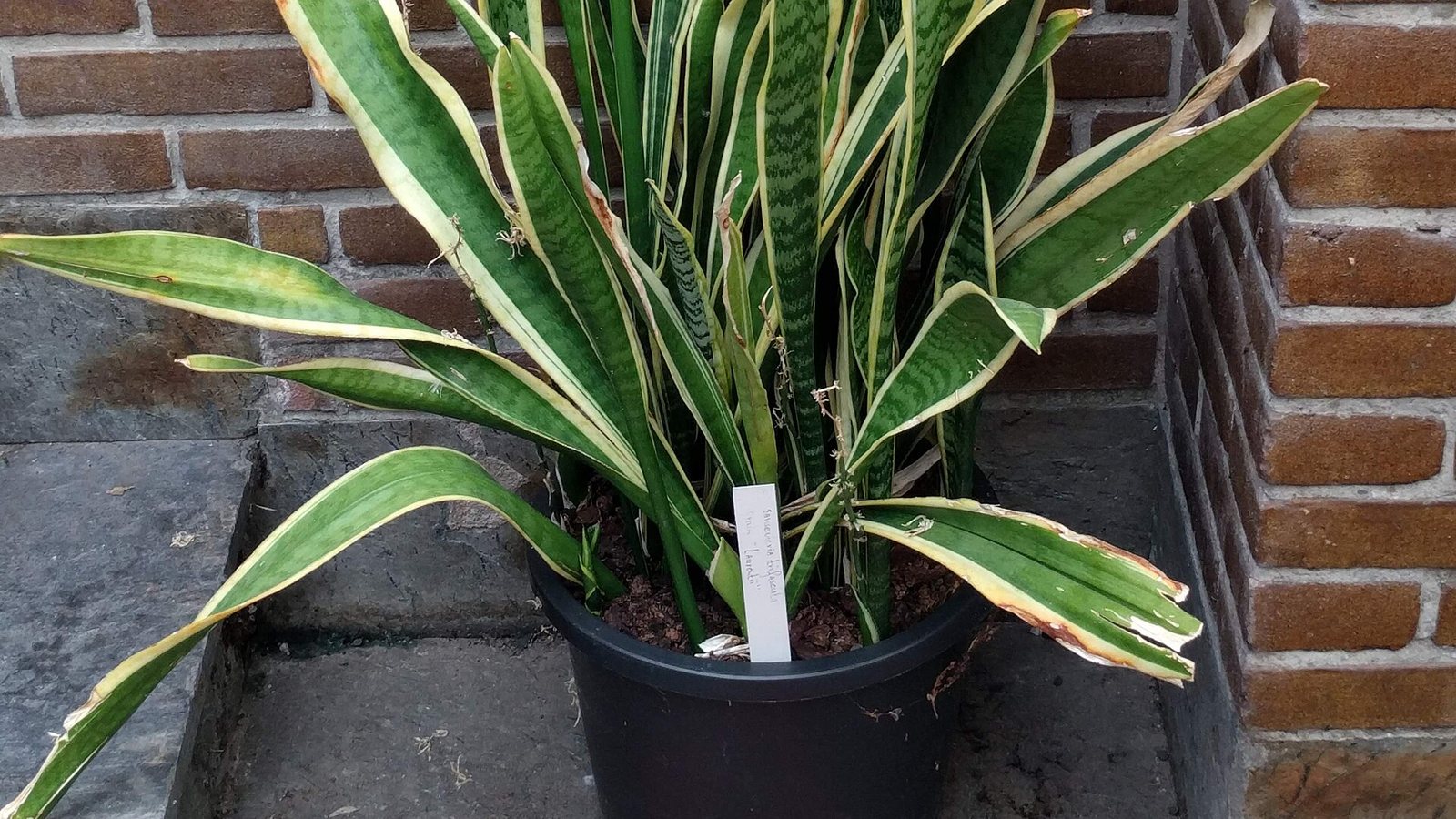
| Snake plant, dwarf (Dracaena trifasciata 'Hahnii') | Short rosette | Tolerates very low light | Toxic |
| ZZ plant (Zamioculcas zamiifolia) | 60 to 120 cm (2 to 4 ft) | Low to bright indirect | Toxic |
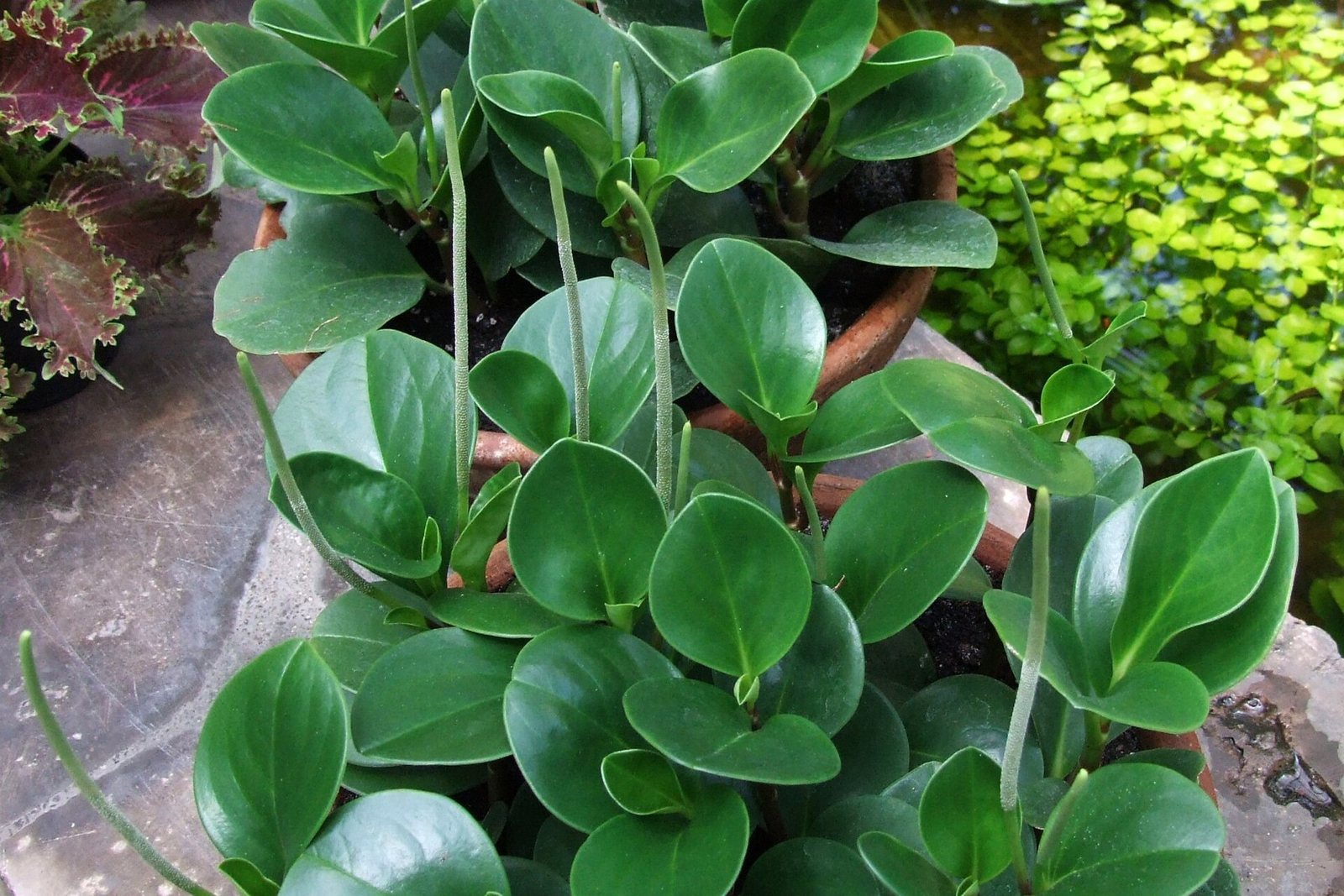
| Peperomia (Peperomia obtusifolia) | 15 to 60 cm (6 to 24 in) | Bright indirect; tolerates low light | Non-toxic |
| African violet (Saintpaulia ionantha) | 15 to 23 cm (6 to 9 in) | Bright, filtered | Non-toxic |
| Zebra haworthia (Haworthiopsis attenuata) | 10 to 30 cm (4 to 12 in) | Bright indirect; tolerates low light | Non-toxic |
The ZZ plant is the biggest of the group, so give it the floor or a desk with room. Everything else is happy in a small pot.
Which plants can you forget about for a week?
Snake plant. NC State says it tolerates very low light and that overwatering, which causes root rot, is the real risk: from spring to autumn let the soil dry between waterings, and in winter water only every one to two months. The dwarf 'Hahnii' is the tidy desk version. It is toxic to cats, dogs and children, with vomiting and drooling as the signs.
ZZ plant. Iowa State University Extension says it does exceptionally well in low light and tolerates dry soil. NC State rates it as medium toxicity for cats and dogs, so keep it away from a roommate's pet.
Zebra haworthia. A small succulent that prefers bright indirect light but tolerates low light, with fading if the light is too weak. NC State says to let the soil dry out between waterings and use a cactus or succulent mix. It is non-toxic to pets.
For a longer list of near-unkillable plants, see beginner plants that forgive mistakes.
Which plants are safe if a roommate has a cat or dog?
Four of the seven are listed as non-toxic: the spider plant, peperomia, African violet and zebra haworthia. Spider plants are tolerant of drought and dry soil, according to NC State, but they dislike direct sun, and chlorine and fluoride in tap water can cause brown leaf tips. Peperomia prefers dry soil and is intolerant of both wet and very dry soil; NC State says overwatering is its main problem. African violets grow best with water from the bottom and dry leaves, and they dislike very cold water. The ASPCA lists the golden pothos as toxic to dogs and cats, so a trailing pothos on a shelf is only for a pet-free room. Our pet-safe houseplants guide has more.
How to place plants in a dorm
- Use the window you have. A north- or east-facing window gives gentler light than a south one. Our best plants by window direction guide shows what each direction suits.
- Keep leaves off the glass. Winter windows can be cold, and radiators and vents dry plants and cause stress.
- Keep it small. A 10 to 12 cm (4 to 5 in) pot is enough for most of these plants, and a small pot dries faster than a huge one.
- Use a pot with a drainage hole. If your decorative pot has none, keep the plant in a plastic pot inside it and empty the water after watering.
- Add a light if the room is dark. A small clip-on grow light can help; see grow lights for houseplants.
How to water when you are busy
The dorm rule is simple: when in doubt, wait. Most plants on this list cope with drying out better than with constant wet, and the soil is the signal, not the calendar. Push a finger 3 to 5 cm (1 to 2 in) into the soil, and water only if it is dry. Peperomia, snake plant, ZZ plant and haworthia do best with the soil allowed to dry between waterings; spider plants and African violets like slightly more moisture. If you are going away for the holidays, see our guide to plant care while on vacation.
The Flori app can help here: identify a plant from a photo, check its care profile for light, watering, humidity, temperature and toxicity, and set care reminders for watering and other tasks as prompts to check the soil. The free plan includes reminders for up to 3 plants, which suits a dorm desk. If a plant begins to droop, Dr. Flori can ask follow-up questions and suggest a recovery plan from a description or photo.
Which plant should you choose first?
If you can only pick one, pick for your light. A dim room with a forgetful owner suits a snake plant or ZZ plant, a pet-friendly room suits a spider plant or haworthia, and a bright desk suits a peperomia or African violet. All seven are small enough to move with you at the end of term.
Frequently asked questions
What is the easiest plant for a dorm room?
The snake plant and ZZ plant are the most forgiving: NC State says snake plant tolerates very low light and Iowa State says the ZZ plant does exceptionally well in low light and tolerates dry soil. Both are toxic to pets.
Which dorm plants are safe for cats and dogs?
NC State lists the spider plant, peperomia, African violet and zebra haworthia as non-toxic to cats and dogs. The ASPCA lists pothos as toxic to dogs and cats.
Can plants grow in a dorm with a small window?
Yes, if you choose plants that tolerate low light, such as snake plant, ZZ plant or spider plant, and keep them near the window. For a very dark room, a small grow light helps.
How often should I water dorm plants?
Check the soil 3 to 5 cm (1 to 2 in) down and water only when it is dry. Snake plant, ZZ plant and haworthia need much less water than African violets.

Eight plants that cope with low light rooms, ranked by extension advice, with watering and ASPCA pet safety for each, plus the ones to avoid.
Sources
Written and fact-checked by the Flori team. Every guide cites horticultural sources such as the RHS, university extension services and the ASPCA, and is updated when the advice changes. How we write our guides
General plant care information. Plants vary; when a plant is valuable or a problem spreads quickly, consult a local nursery or plant specialist.