How to Propagate Monstera From a Cutting
Cut below a node, root it in water or perlite, or air layer a leggy plant. Method table, step-by-step cuttings, when to pot, why cuttings rot and pet safety.
 By Flori editorial team · Updated
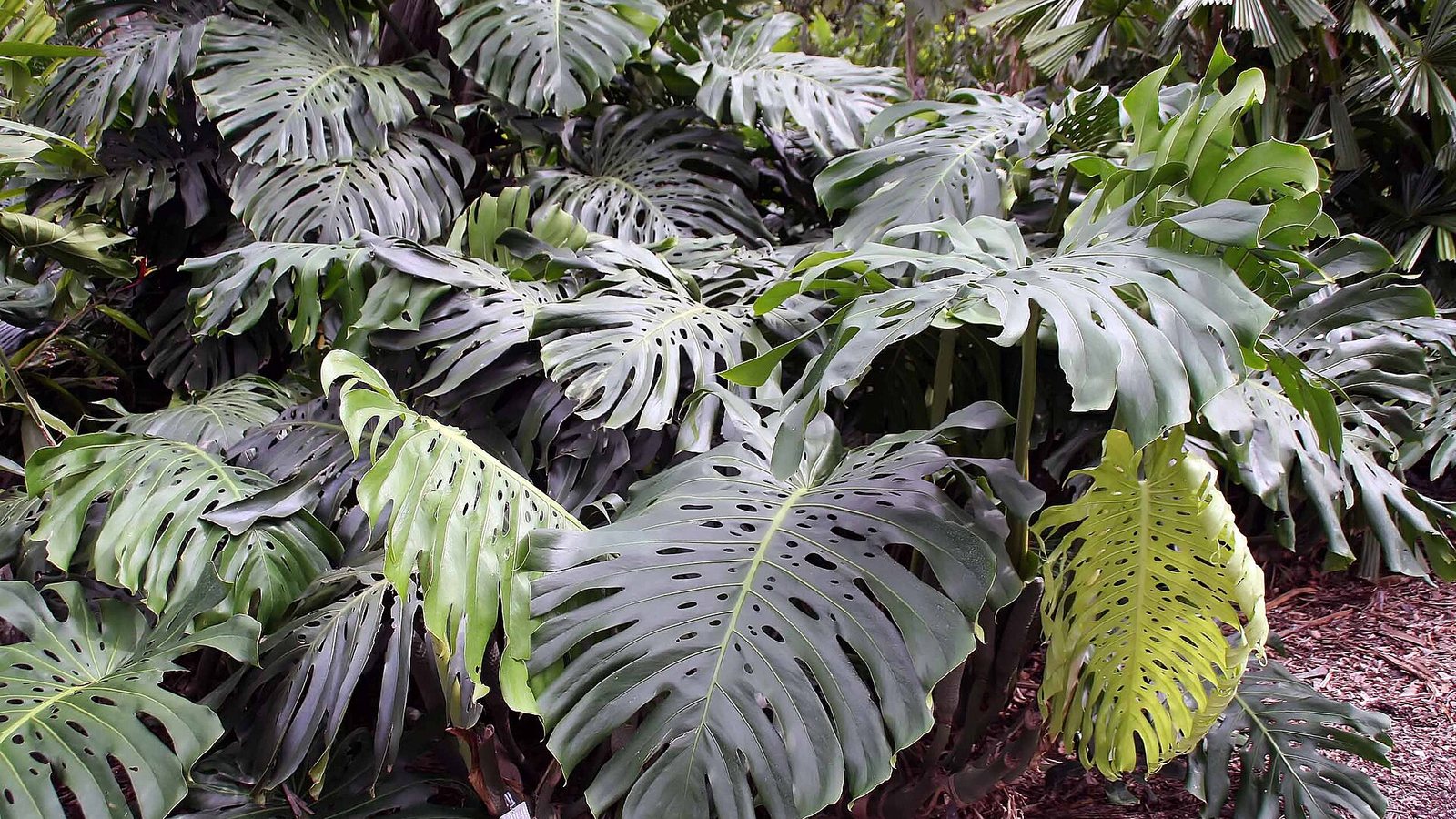
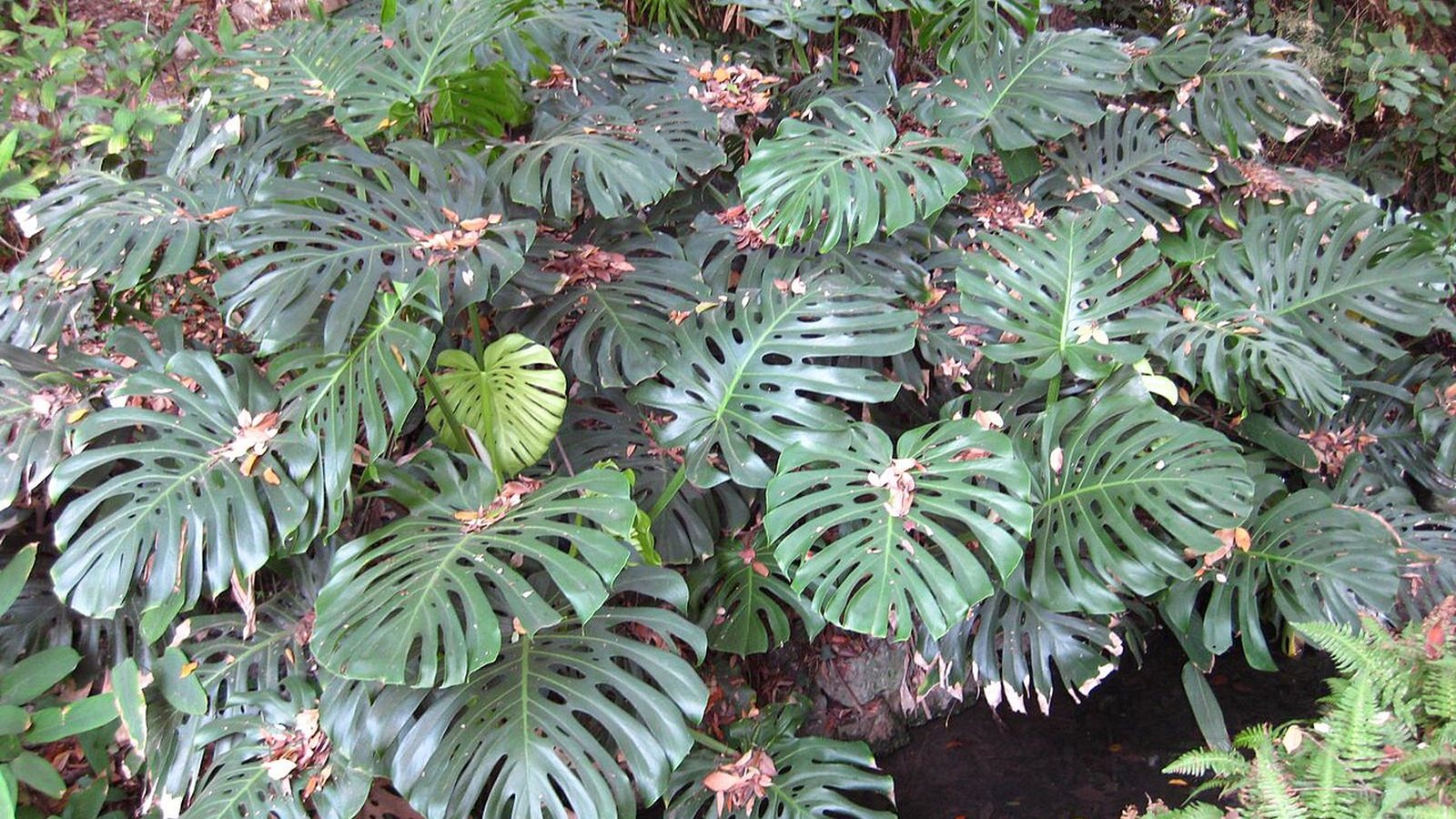 Photo: Raffi Kojian · CC BY-SA 3.0
Cut a stem piece with at least one node, the leaf joint, using clean tools and gloves. Root it with the node in water, or in perlite under a loose cover, in bright indirect light at 18–24 °C (65–75 °F). Roots usually take about 3 to 6 weeks; pot at roughly 2.5 cm (1 in) of root.
Key takeaways
- Every cutting needs a node; a leaf with only a stalk will not make a new plant.
- Rooting in perlite gives sturdier roots than water; change water 1 to 2 times a week (Iowa State).
- Warmth of 18–24 °C (65–75 °F), bright indirect light and humidity help cuttings root.
- Air layering is the way to shorten a tall, leggy plant without losing the top.
- Monstera is toxic to cats and dogs (ASPCA) and irritates skin: wear gloves and keep cuttings away from pets.
On this page7
How do you propagate a monstera from a cutting?
Cut a stem piece that has at least one node, the bump where a leaf joins the stem, and ideally a leaf with it. Stand it in water or push it into a damp airy mix in a bright, warm spot, and keep the node, not the leaf, below the surface. This guide is about the monstera-specific questions: where exactly to cut, whether to use water or perlite, what to do with a tall leggy plant, and why so many cuttings fail.
The myth to retire: a single leaf with a bit of stalk will not make a new plant. RHS and Iowa State both describe stem cuttings, and Iowa State stresses that at least one node must go into the medium. No node, no new stem.
Which method should you use?
| Method | Best for | Time to roots | Catch |
|---|---|---|---|
| Stem cutting in water | Beginners who like to watch roots | Roughly 3 to 6 weeks (Iowa State, for stem cuttings generally) | Water roots are coarser and can struggle after potting; change the water 1 to 2 times a week (Iowa State) |
| Stem cutting in perlite or a damp airy mix | Sturdier roots, fewer surprises at potting | 3 to 6 weeks (Iowa State) | Needs a loose cover for humidity |
| Air layering | A tall, leggy plant you want to shorten without losing the top | Several weeks; some species take months (Iowa State) | Fiddly: needs sphagnum moss, plastic and a clean cut |
Penn State says a monstera is propagated most easily by air layering or stem cuttings. The RHS adds that stem cuttings stood in a glass of water in a bright spot work, and that spring to late summer is the time to take them. Iowa State calls early spring ideal but says most houseplants can be propagated all year.
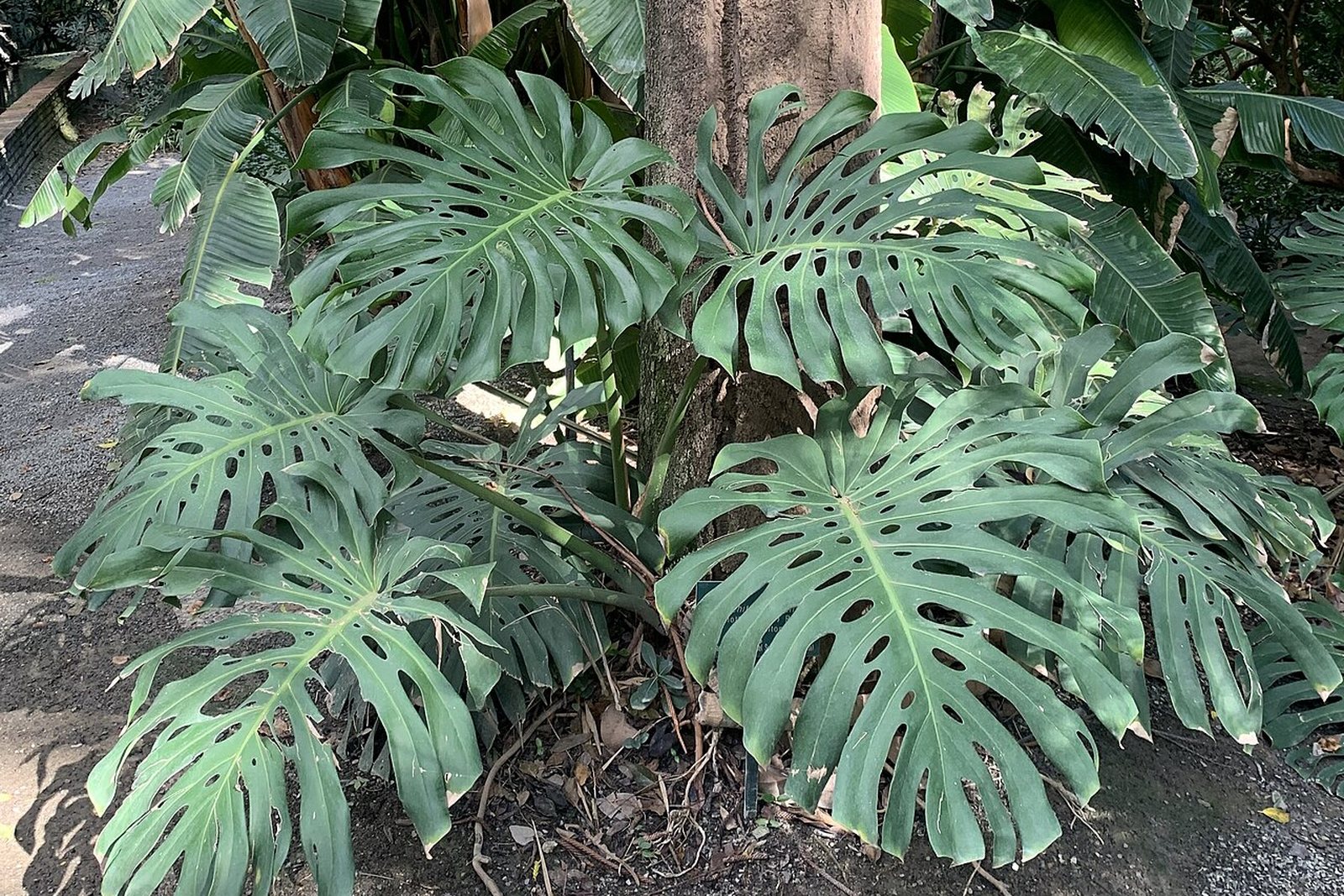
What does a good monstera cutting look like?
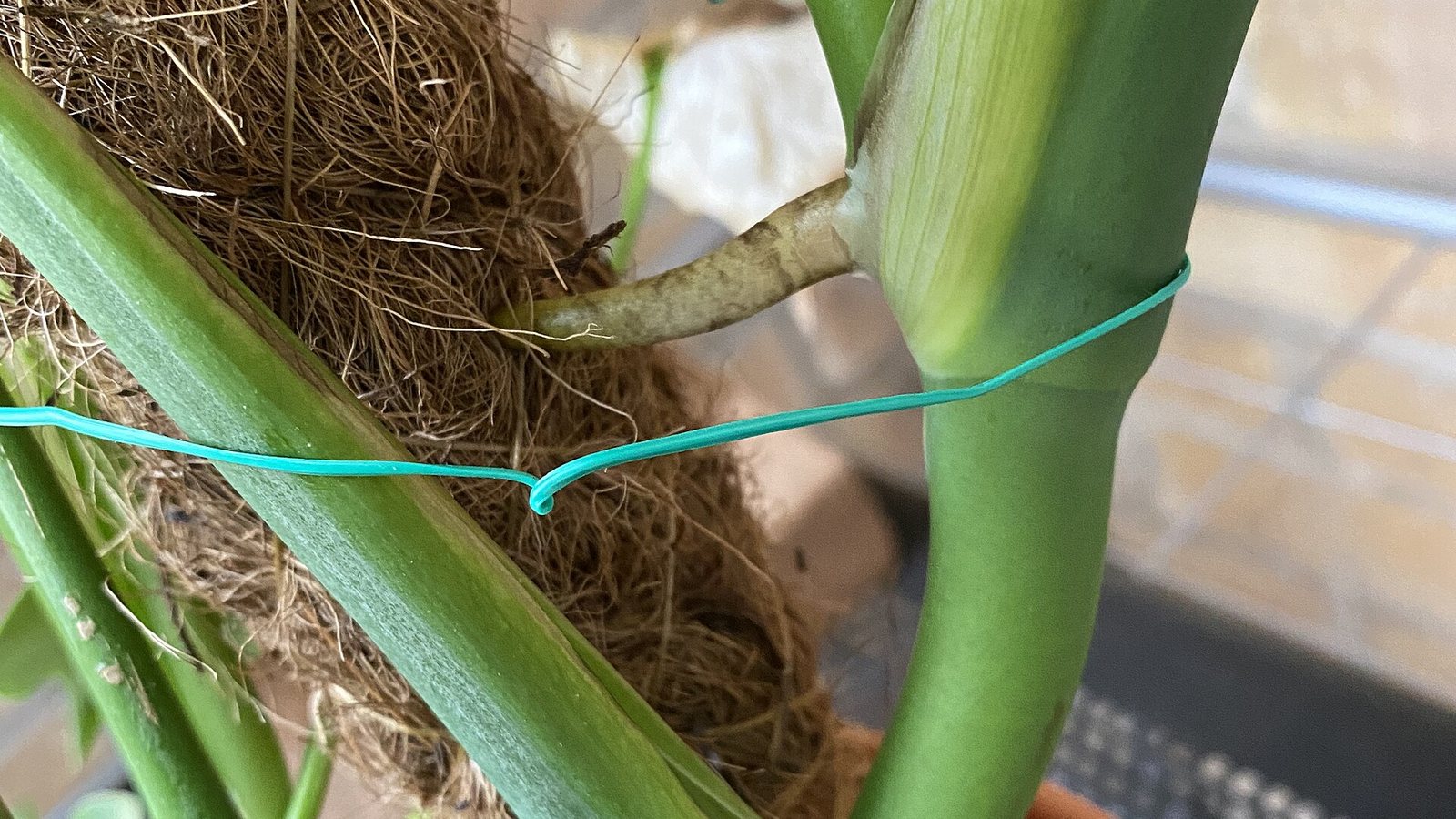
Penn State notes that a monstera's aerial roots form at the base of its leaves, which is where the node sits. Look along the stem for that joint: a short, often brownish nub or root stub on one side, a leaf stalk above it. Iowa State's guidance for stem tip cuttings is stems of 3 to 6 in (about 7.5 to 15 cm) with at least two nodes.
- Choose a healthy stem with a few leaves and at least two nodes.
- Cut with clean, sharp scissors or a knife just below a node, so that the node and its aerial-root stub are on the cutting. Wear gloves: the RHS advises gloves when handling the plant.
- Remove the lowest leaves so no leaf sits under the water or soil; Iowa State says to bury no leaves. If the leaves are large, trim them to reduce water loss.
- Root it. In water, keep the node submerged and the leaves out. In perlite or an airy mix, insert at least one node and keep it moist, not soggy.
- Give light and warmth. Iowa State suggests bright indirect light and air at 18 to 24 °C (65 to 75 °F); a heat mat holding the medium at 24 to 27 °C (75 to 80 °F) is optional.
- Add humidity. Iowa State calls high humidity essential and covers cuttings with a loose plastic bag or dome held off the foliage.
When is the cutting ready to pot?
Iowa State says to pot a cutting once its roots are about 1 in (2.5 cm) or longer, which for stem cuttings is usually 3 to 6 weeks. A cutting rooted in water can be potted at about 1 in (2.5 cm) of root; the earlier it is moved, the less it has to adjust to soil. Use a small pot with an airy mix, water it in, and keep it out of hard sun for the first weeks. The new plant does not need a big pot: a roomy pot holds wet soil for a small root system, which is how a new cutting rots.
If you want a fuller plant, pot two or three rooted cuttings together. For the mix, see our guide to the best soil mix for houseplants.
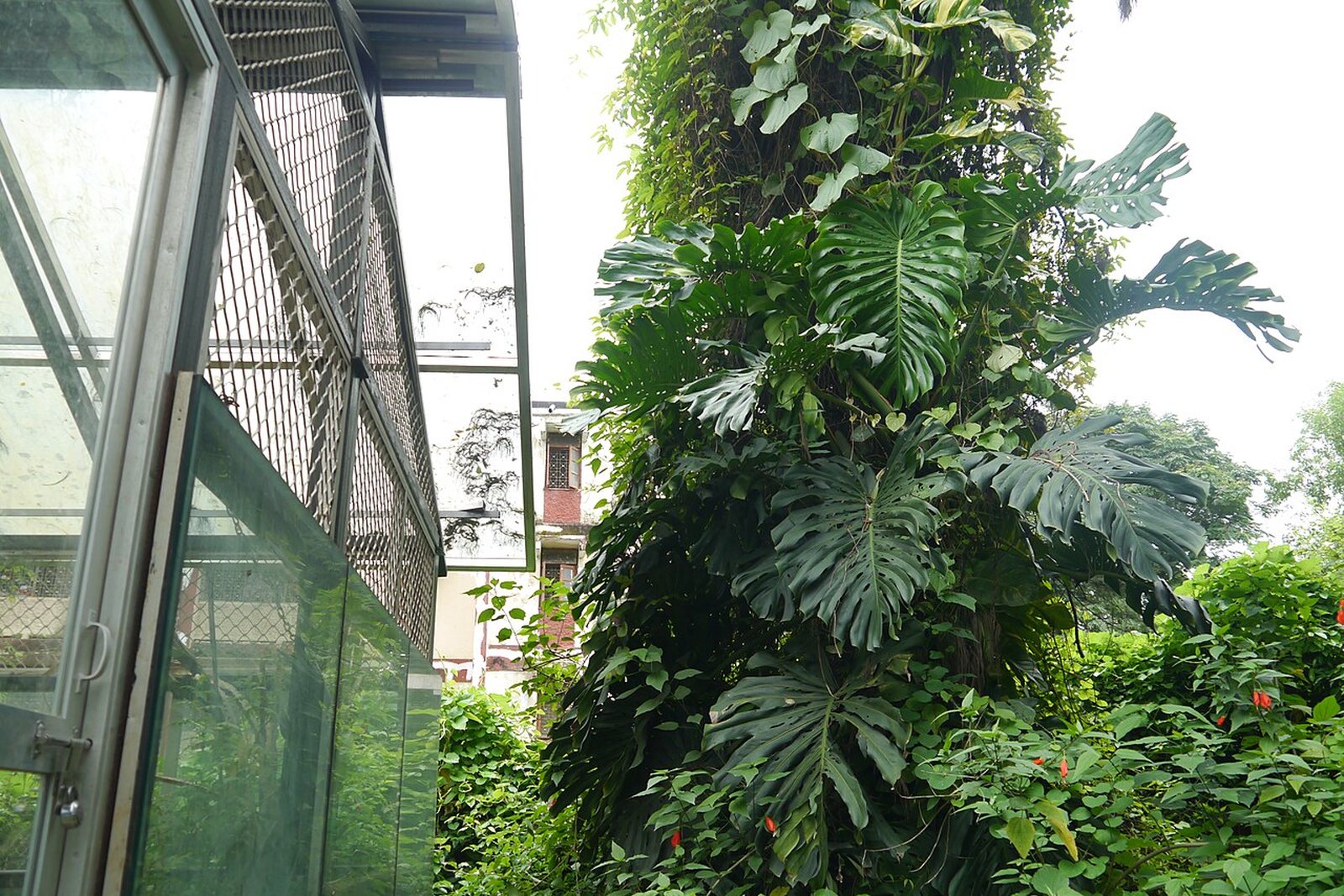
How do you air layer a tall, leggy monstera?
Air layering lets a stem grow roots while it is still attached to the plant. Iowa State's method for monocots, the group a monstera belongs to, is as follows. Pick a point 12 to 18 in (30 to 45 cm) from the shoot tip and remove the leaves there. Make an upward-slanting cut about one third of the stem's diameter deep and keep it open with a toothpick. Apply rooting hormone if you use it, pack the wound with one or two handfuls of moist sphagnum moss, wrap it in clear plastic and tie it above and below so no moss sticks out. Re-wet the moss if it feels dry.
When roots are several inches long, cut the stem just below the lowest tie, unwrap it and pot it in fresh mix. Iowa State says roots typically appear in several weeks, and some species take several months. The mother plant keeps its lower stem; if either plant is climbing, a moss pole supports it.
Why is my monstera cutting not rooting or rotting?
| Symptom | Likely cause | Fix |
|---|---|---|
| Stem turns black and soft at the base | Rot from dirty water, a leaf under water or a soggy mix | Re-cut above the rot, change the water 1 to 2 times a week, use a clean container (Iowa State) |
| Leaf alive, but no roots after 6 weeks | Too cool or too dark, or no node in the water or mix | Check the node placement; warmth around 18 to 24 °C (65 to 75 °F) and bright indirect light |
| Leaves wilt on a new cutting | Water loss with few roots | Trim large leaves, add a loose cover for humidity (Iowa State) |
| Roots grew, but the plant sulks after potting | Coarse water roots moving to soil | Pot at about 1 in (2.5 cm) roots and keep the mix lightly moist (Iowa State) |
The numbers in this table are for houseplant stem cuttings in general (Iowa State); we found no source giving a monstera-specific rooting time, so treat 3 to 6 weeks as an approximate guide. If leaves on the mother plant turn yellow after you cut it, see our guide to yellow leaves on a monstera.
Is monstera sap safe for pets and skin?
No. The ASPCA lists the cutleaf philodendron (Monstera deliciosa) as toxic to dogs and cats because of insoluble calcium oxalates, causing oral irritation, intense burning of the mouth, tongue and lips, drooling, vomiting and difficulty swallowing. Penn State says all parts are toxic to people and pets if eaten, except the fully ripe fruit, and recommends gloves because of possible contact dermatitis. Keep cuttings, trimmings and glasses of cuttings out of reach of pets and children, and call your vet if a pet chews them; if a child eats a part, call your local poison line, in Türkiye UZEM 114.
For ongoing care once the cutting is potted, see the monstera care guide. If you want to compare with other plants, read the easiest houseplants to propagate, and use the general propagating from cuttings guide for the basics. Flori can set a reminder to check the cutting's water and a progress photo, and its care profile for the plant lists the same light and temperature ranges.
Frequently asked questions
Can I propagate a monstera from a leaf?
A leaf alone will not make a new plant; the cutting needs a node. The RHS and Iowa State describe stem cuttings, and Iowa State says to insert at least one node.
How long does a monstera cutting take to root?
For stem cuttings Iowa State gives about 3 to 6 weeks. We found no monstera-specific figure, so treat it as approximate.
Is it better to root monstera in water or soil?
Both work. Iowa State says a medium like perlite gives sturdier roots; water roots are coarser and can struggle after potting, so pot them at about 2.5 cm (1 in).
When is the best time to take a monstera cutting?
The RHS says spring to late summer; Iowa State calls early spring ideal but says most houseplants can be propagated all year.
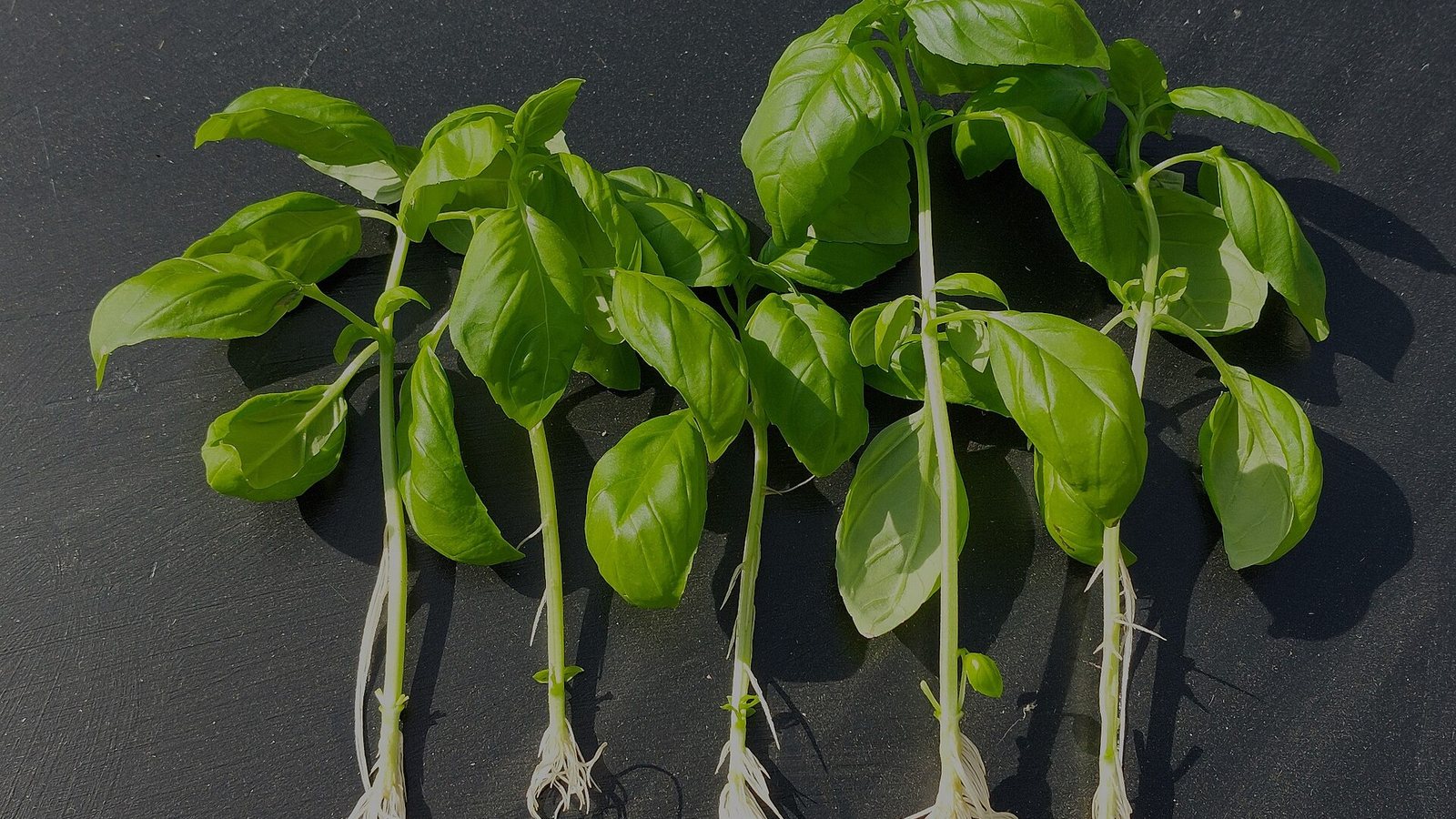
Stem, leaf and leaf-section cuttings explained: which houseplants suit each method, how long to cut, where to root them and when to pot them up.
Sources
- Royal Horticultural Society: How to grow Swiss cheese plants
- Iowa State University Extension: How to propagate houseplants by stem tip cuttings
- Iowa State University Extension: How to propagate by air layering and simple layering
- Penn State Extension: Monstera as a houseplant
- ASPCA: Toxic and Non-Toxic Plants, Cutleaf philodendron
Written and fact-checked by the Flori team. Every guide cites horticultural sources such as the RHS, university extension services and the ASPCA, and is updated when the advice changes. How we write our guides
General plant care information. Plants vary; when a plant is valuable or a problem spreads quickly, consult a local nursery or plant specialist.