Leaves Turning Red or Purple: Causes and Fixes
Red or purple leaves can be cold, sun, phosphorus the plant cannot take up, or just the variety. A symptom, cause and fix table to find yours.
 By Flori editorial team · Updated
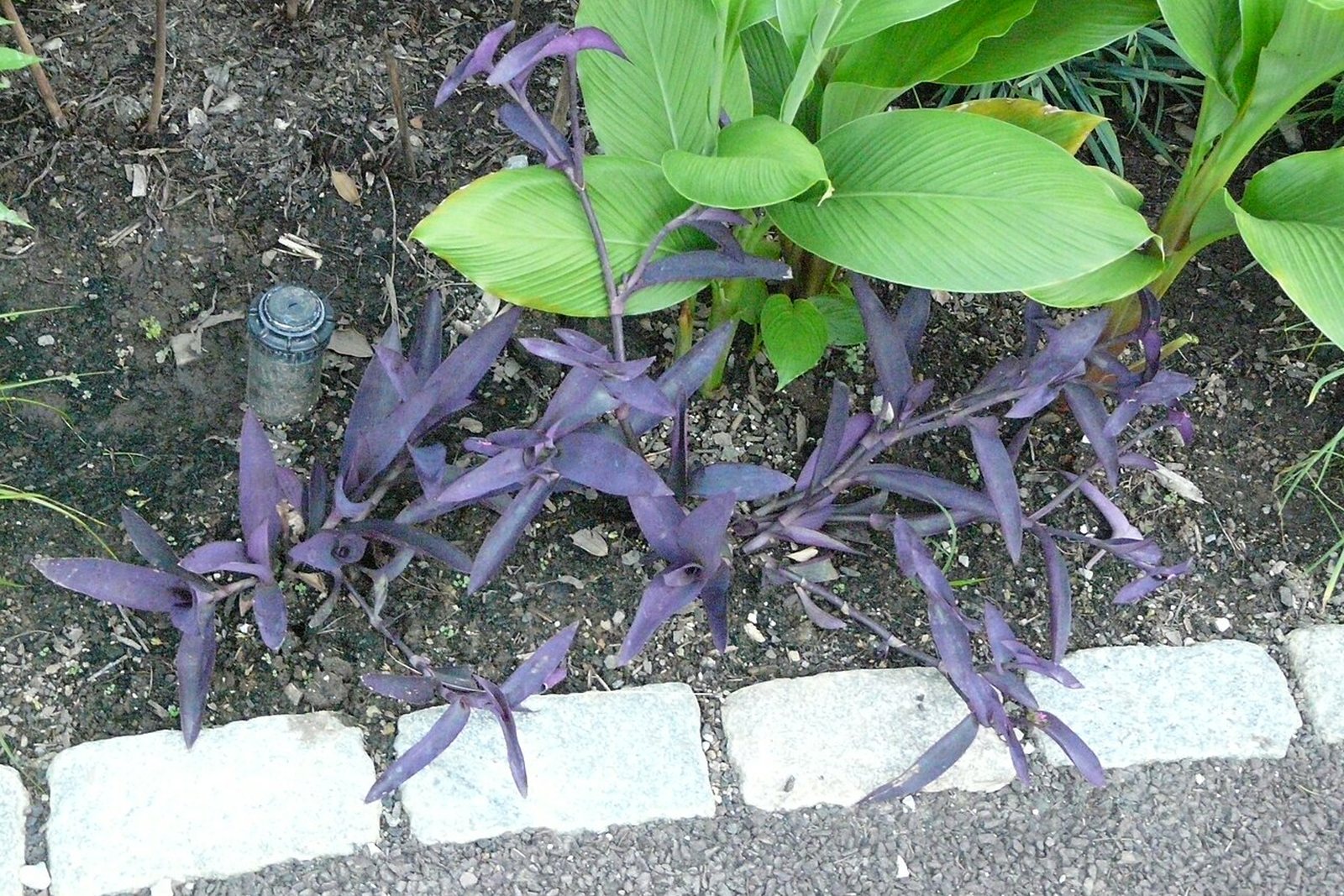
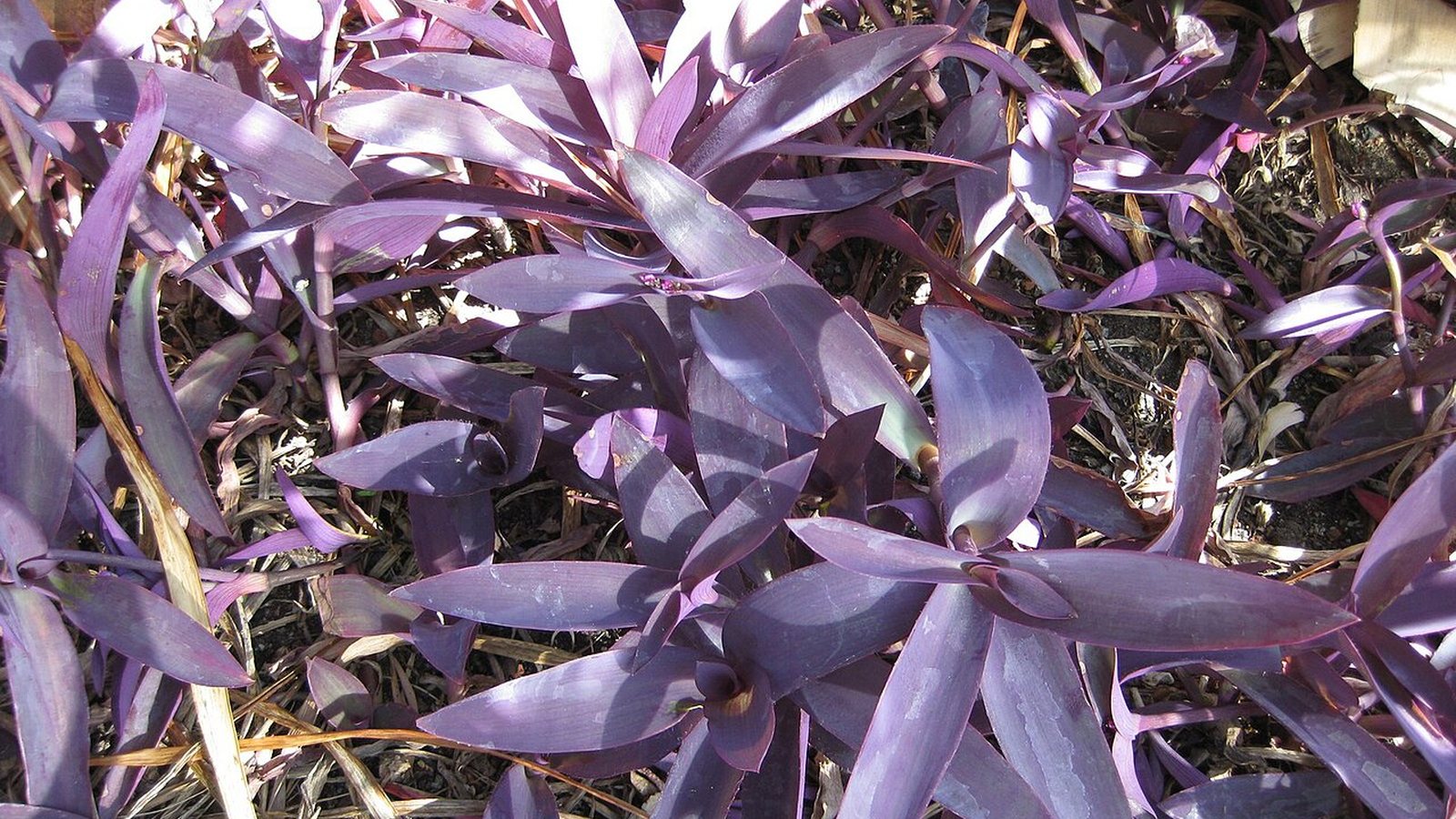 Photo: Raffi Kojian · CC BY-SA 3.0
Red or purple leaves mean the plant is making extra red-purple pigment. Common causes are cold roots that cannot take up phosphorus, too much sun, or the plant’s natural variety. Check which leaves change first and what changed recently; do not fertilise a cold plant.
Key takeaways
- Look at the pattern: older, lower leaves turning dark green with purple tones point to phosphorus the plant cannot take up.
- Cold soil slows phosphorus uptake; symptoms should fade once the plant warms, and extra fertiliser does not help.
- Many houseplants are naturally red or purple, so compare new leaves with old before worrying.
- Underwatering, overwatering, pests and disease can mimic a deficiency, so fix light, water and warmth before feeding.
- Outdoors, red autumn leaves are normal.
On this page8
Why are my plant's leaves turning red or purple?
Red or purple leaves usually mean the plant is making extra red-purple pigment (anthocyanin) in response to something: strong light, cold, a nutrient it cannot take up, or simply its own variety. The key is the pattern. Which leaves, where on the leaf, and what changed in the last few weeks tell you far more than the colour itself. This guide gives you a symptom, cause and fix table so you can work it out in a few minutes.
One caution before you reach for fertiliser: purple leaves do not automatically mean the plant is hungry. Montana State University Extension warns that underwatering, overwatering, disease, insects and herbicide damage can all mimic a nutrient deficiency, and that feeding when cold is the real cause is wasted effort.
Red or purple leaves: symptom, cause and fix
| What you see | Likely cause | What to do |
|---|---|---|
| Red or purple on a plant that has always looked like that, on new and old leaves alike | Natural variety (many foliage plants are bred for it) | Nothing: check the plant label or care profile |
| Purple or reddish tints on older, lower leaves, leaves dark green, undersides purple | Phosphorus the plant cannot take up (often cold roots) | Warm the roots, check the pot is not waterlogged, then feed lightly in the growing season |
| Reddening that starts after a cold spell or on a windowsill behind the curtain | Cold or draughts | Move the plant into the room, away from cold glass |
| Red or bronze on the leaves facing a bright window, with pale or scorched patches | Too much direct light | Pull the plant back or filter the light |
| Red leaves on an outdoor tree or shrub in autumn | Normal seasonal colour | Nothing: it is not a problem |
Is it normal for leaves to be red or purple?
Often, yes. Many popular houseplants carry purple or red foliage by design, and it is stronger in good light. Our guide to houseplants with colourful leaves shows which ones and what light they need. Compare the new leaves with the old: if both look alike and the plant is growing well, you are looking at the variety, not a problem.
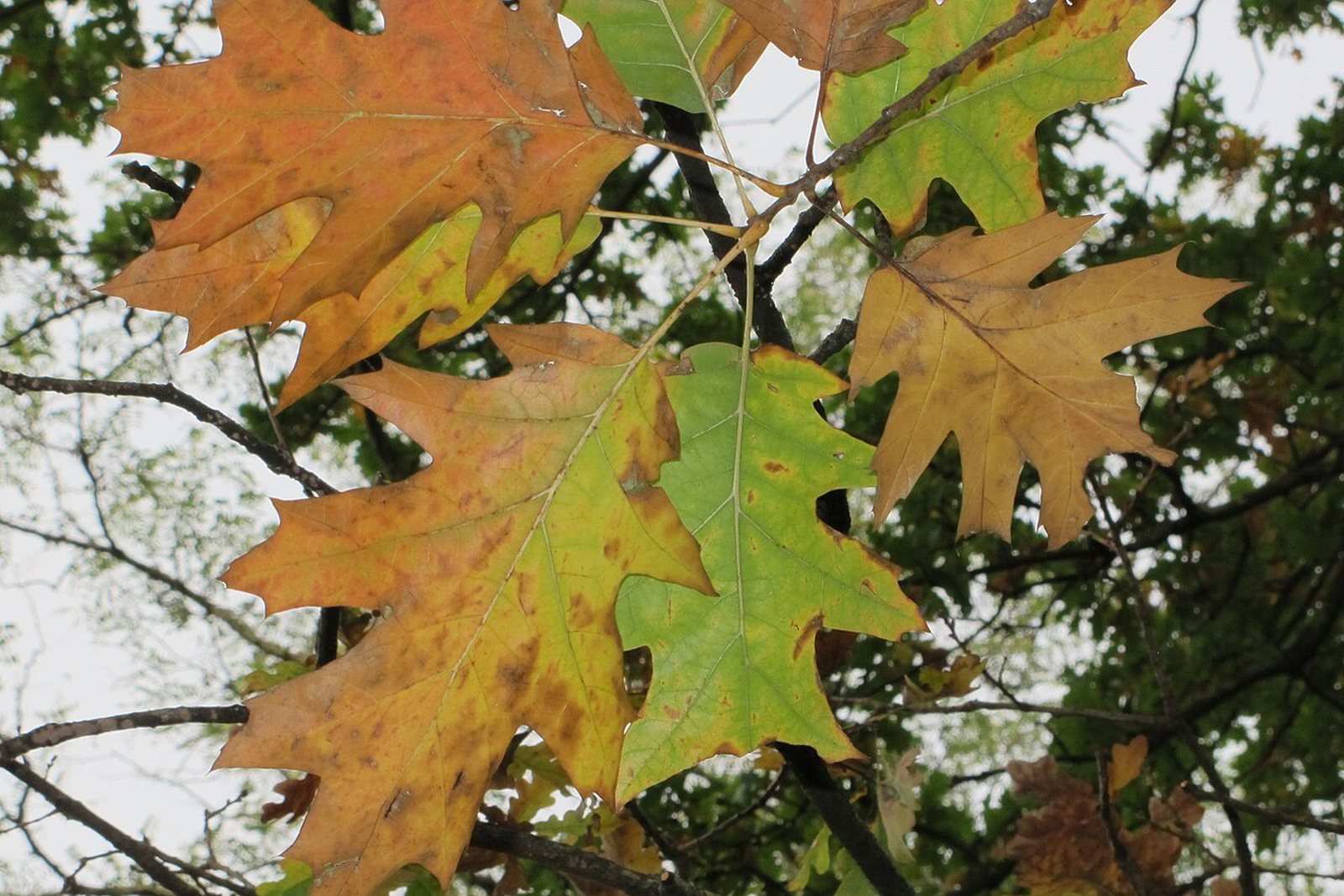
Outdoors, red autumn leaves are normal too. Penn State Extension explains that the red pigments are made in the leaf during autumn, linked to bright, sunny days and sugars building up in the leaf cells, and that cool nights, by slowing the movement of sugars out of the leaf, encourage redder colour.
Can cold make leaves turn purple?
Yes, and it is the most common trigger from autumn to early spring. Montana State University Extension says phosphorus and other nutrients move slowly in cold soil, so a plant may be unable to take up phosphorus even when the soil contains enough of it. If cold is the cause, the symptoms should fade once the soil warms. The University of Georgia's tomato guide puts a number on the same effect: phosphorus becomes less available below about 15 °C (60 °F) soil temperature. That figure comes from vegetable growing, so use it as a rough guide for the garden and for pots standing outside, and not as a houseplant rule.
For houseplants, the practical version is a cold windowsill, a cold stone floor or a plant by a draughty door. The RHS notes that plants left on windowsills and behind curtains in the cold can suffer, and that curtains drawn on cold nights trap cold air against the glass. On a Turkish balcony in winter, the same applies, and plants brought in from the balcony can show the change a few weeks later. Our how cold is too cold guide gives temperature limits by plant.
How can you tell phosphorus shortage from other causes?
Montana State University Extension says phosphorus deficiency appears first on lower, older leaves, which look dark green with purple tones, sometimes more on the undersides. That pattern, older leaves first, with healthy-looking dark green tissue, is what separates it from yellowing, which our yellow leaves diagnosis guide covers, and from pale new growth.
Even then, the RHS advises sorting light, watering and compost before adding feed. Plants that have sat in the same pot for years use up their nutrients, and a suitable liquid feed during the growing season (broadly spring to autumn) can help. If the plant is cold, do not feed it: wait until it is warm and growing. Our fertilising guide explains how to feed safely.
Could it be too much sun?
Sun can redden leaves just as it can brown them. Penn State links red pigment to bright light and sugar build-up in the leaf. The RHS says too much light causes brown scorched patches and a washed-out look, so if the reddening sits on the leaves facing the window and is joined by pale or crispy patches, sun is the likely cause. Our leaf sunburn guide shows what that looks like.
What should you do first?
- Look at the pattern. Old leaves or new? Under the leaf or on top? Is it getting worse?
- Check what changed. A new spot, a cold night, a move, a heating change, more sun?
- Check the roots and water. Feel the soil and look at drainage; soggy cold roots take up little.
- Fix the environment first. Warmth, light and drainage, then feed only if the plant is growing.
- Give it time. If cold was the cause, new leaves should come in a normal colour once the plant warms up.
If you are unsure, Dr. Flori can ask the follow-up questions for you: describe the symptom or send a photo and it names the likely cause and says how urgent it is. Our guide to how Dr. Flori diagnoses plants explains how.
When should you worry?
Worry if the colour keeps spreading after you have fixed the cold and light, if leaves also wilt, blacken or drop, or if you see pests. Red or purple alone, on a plant that is otherwise growing, is rarely an emergency. Our houseplant problem chart by symptom is a good next step.
Frequently asked questions
Why are my plant's leaves turning purple?
Usually cold, which slows phosphorus uptake, or a nutrient problem showing on older leaves first. It can also be natural variety or bright light. Check which leaves are affected and what changed recently.
Should I fertilise a plant with purple leaves?
Not straight away. Montana State University Extension says other stresses can mimic deficiency and that extra nutrients are wasted when cold is the cause. Fix warmth, light and watering first, then feed lightly in the growing season.
Are red leaves bad for a plant?
Not necessarily. Many plants are bred with red or purple foliage, and outdoor trees turn red in autumn. It is a worry only if the colour spreads after you fix the conditions or leaves also wilt, blacken or drop.
Can too much sun turn leaves red?
Yes. Penn State links red pigment to bright light and sugar build-up in the leaf. Reddening on the leaves facing the window, with pale or scorched patches, points to too much direct light.
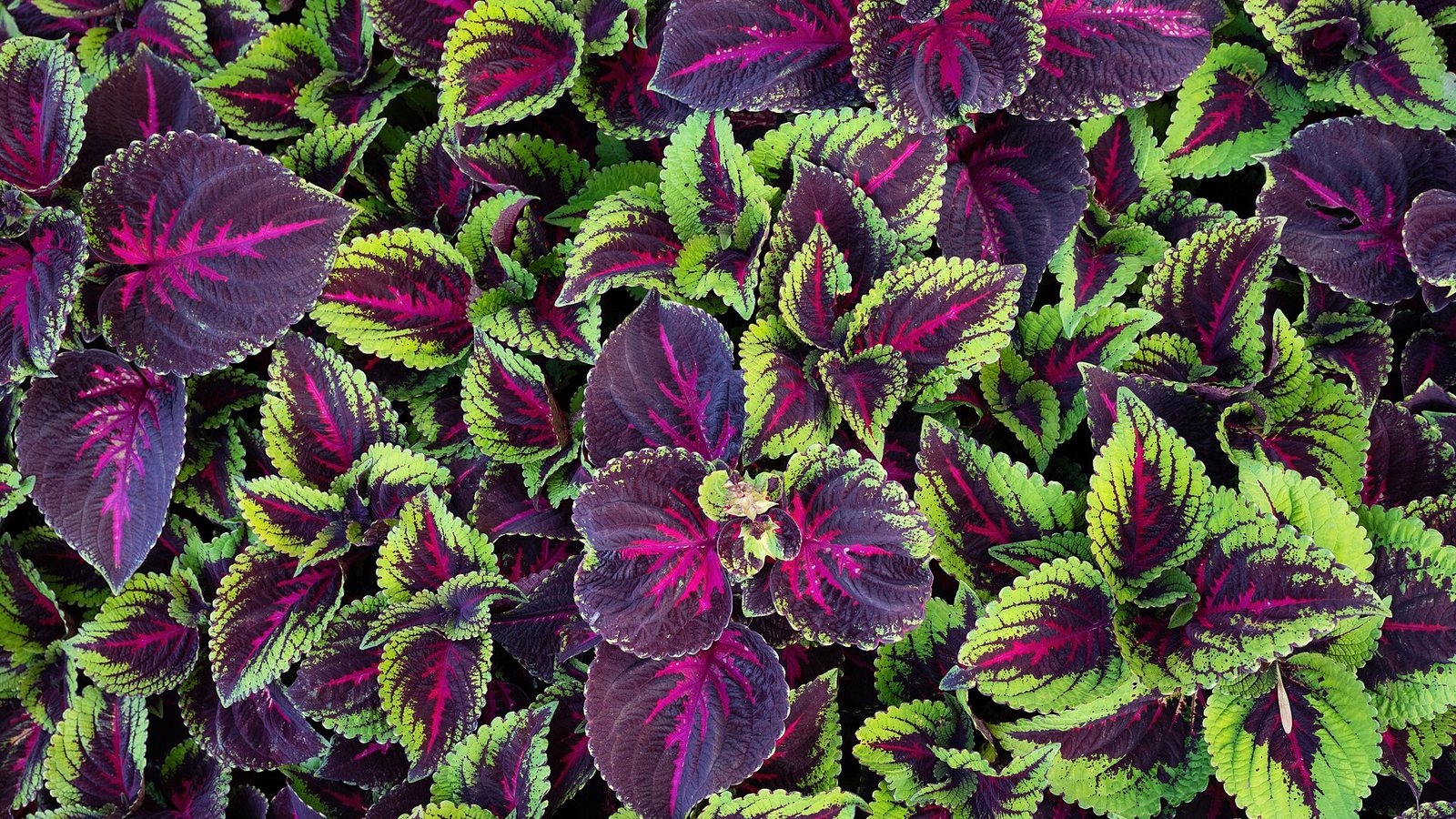
Seven colorful-leaved houseplants with the light each needs, its size and whether it is toxic to cats and dogs, plus why the color fades.
Sources
Written and fact-checked by the Flori team. Every guide cites horticultural sources such as the RHS, university extension services and the ASPCA, and is updated when the advice changes. How we write our guides
General plant care information. Plants vary; when a plant is valuable or a problem spreads quickly, consult a local nursery or plant specialist.