Mushrooms That Grow in Winter and Their Deadly Look-Alikes
Velvet shank, oyster and jelly ear fruit in winter, and the deadly Galerina marginata can grow beside velvet shank. Facts, myths and what to do.
 By Flori editorial team · Updated
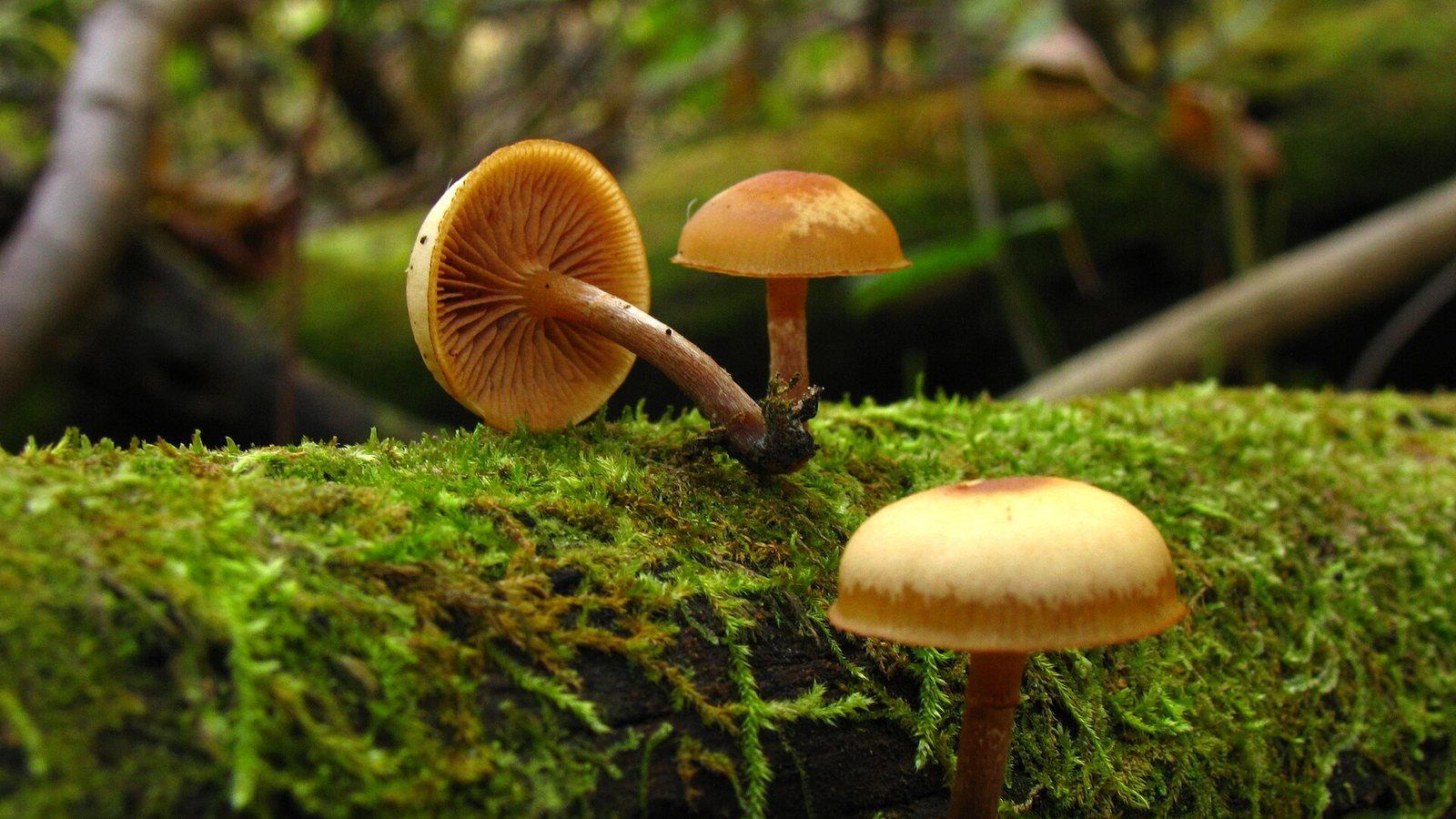
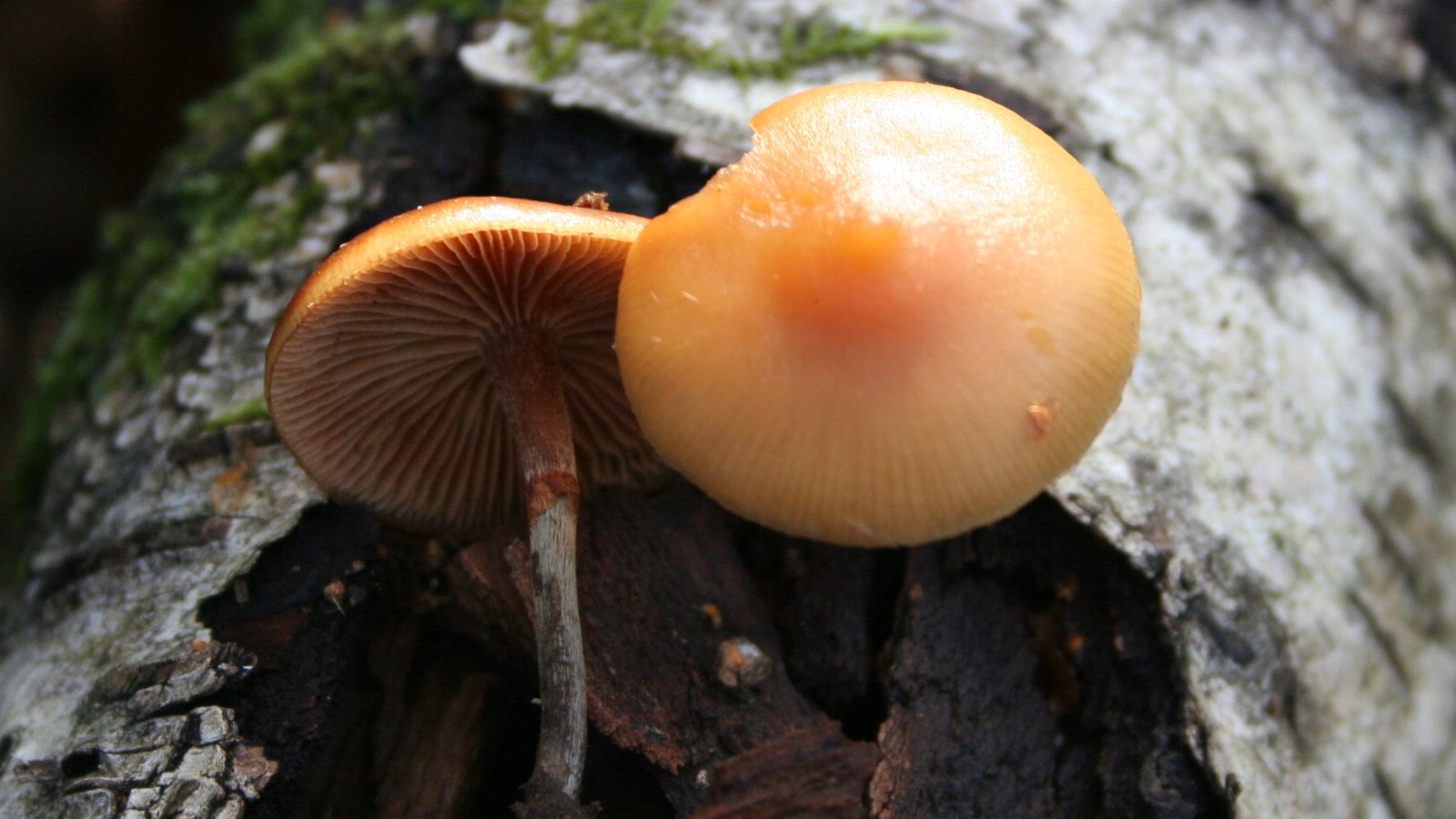
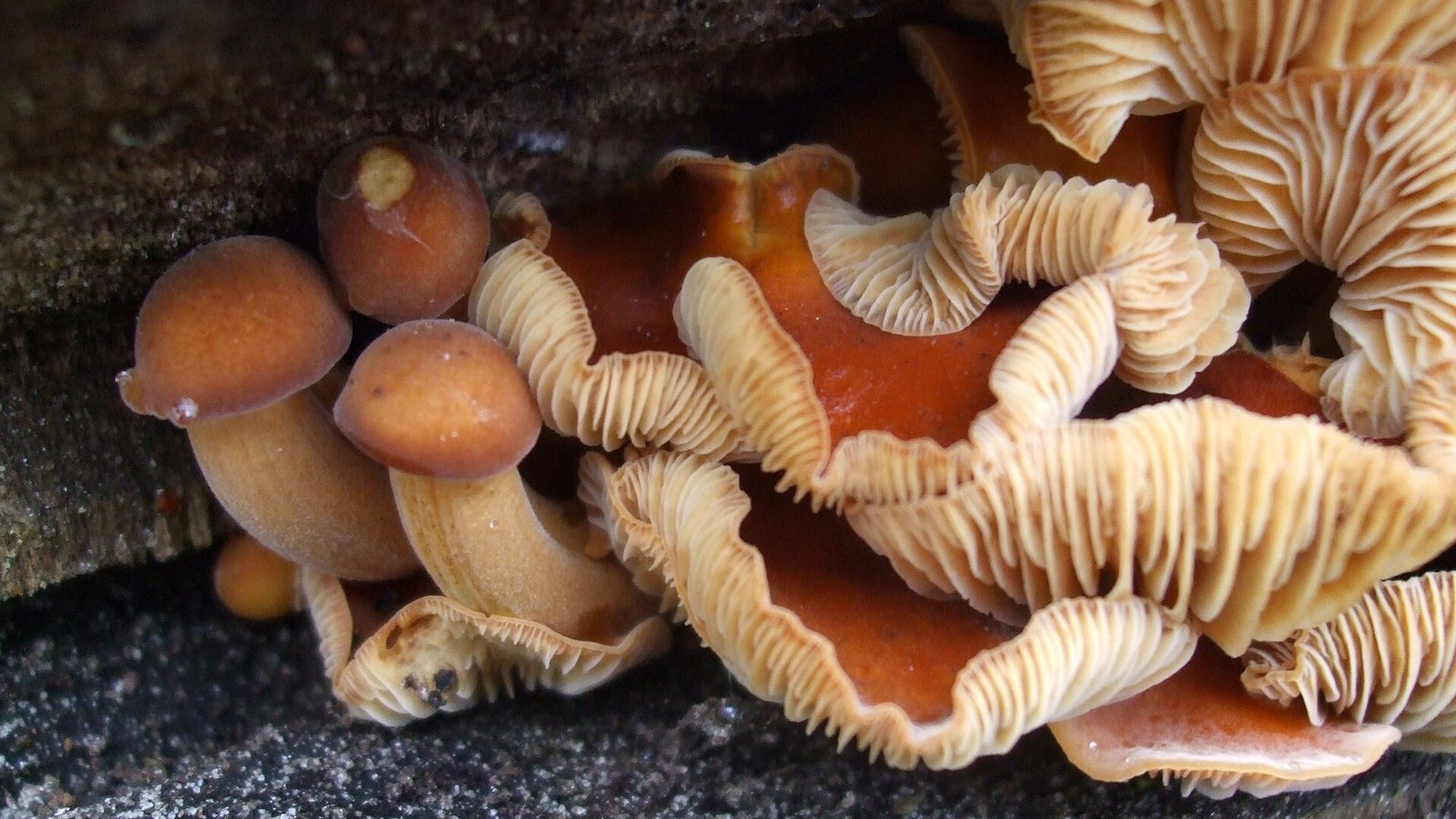 Photo: Tomasz Przechlewski · CC BY 2.5
Velvet shank (Flammulina velutipes), oyster mushroom and jelly ear can fruit in cold weather. Velvet shank is the dangerous one to get wrong: the deadly Galerina marginata grows on wood too, sometimes beside it. No photo or app can show a wild mushroom is safe to eat.
Key takeaways
- Velvet shank prefers cold weather to fruit and can grow beside the deadly Galerina marginata (Volk, University of Wisconsin).
- Galerina marginata is on NAMA's amatoxin list; symptoms are delayed 6 to 24 hours and can seem to ease before liver and kidney failure.
- Experts check the spore print and ring in hand; the ring can fall off, so one feature never settles it.
- Winter does not make mushrooms safe; colour, smell, cooking and apps are not tests.
- After eating an unknown mushroom, call the poison line at once and keep a sample.
On this page9
- Which mushrooms grow in winter?
- What is the velvet shank, the winter mushroom?
- What is the deadly look-alike of the velvet shank?
- Are oyster mushrooms a winter mushroom?
- What is jelly ear?
- Winter mushroom myths that cause poisonings
- What can Flori do with a winter mushroom photo?
- Winter mushrooms, dogs and children
- What should you do after eating an unknown mushroom?
Which mushrooms grow in winter?
Most wild mushrooms stop when it freezes, but a few keep fruiting in the cold, and one of them has a deadly look-alike that fruits beside it. This guide names the winter species people ask about (velvet shank, oyster mushroom and jelly ear), explains why velvet shank is the one that hurts people, and ends with what to do if someone eats an unknown mushroom. It is not a guide to picking: no photo, app or article can tell you that a wild mushroom is safe to eat. Winter here means December to February in the Northern Hemisphere and June to August in the Southern.
The idea that "winter mushrooms are safe because the dangerous ones are finished" is wrong. The first section below shows how the two species overlap, and our guide on when mushroom season ends covers the weather side.
What is the velvet shank, the winter mushroom?
The velvet shank (Flammulina velutipes, also called winter mushroom, velvet foot or velvet stem) is the classic cold-season fungus. Tom Volk, a mycologist at the University of Wisconsin, says it prefers cold weather to fruit and that he has found it in February in Wisconsin. It grows on dead hardwood, and his page names dead elm. The base of the stem is black and fuzzy, which gives it the "velvet" names. In a Turkish context it is the kadife saplı mantar, sometimes just called a winter mushroom (kış mantarı); we use the Latin name so there is no confusion.
Volk lists it as a good edible and says it is often available when little else is, but he also says to confirm any wild mushroom with a field guide or a local expert before eating. The enoki sold in shops is the same species grown in jars in the dark, and Volk says it looks very different from the wild form: pale, long and thin. A shop enoki tells you nothing about a wild one.
What is the deadly look-alike of the velvet shank?
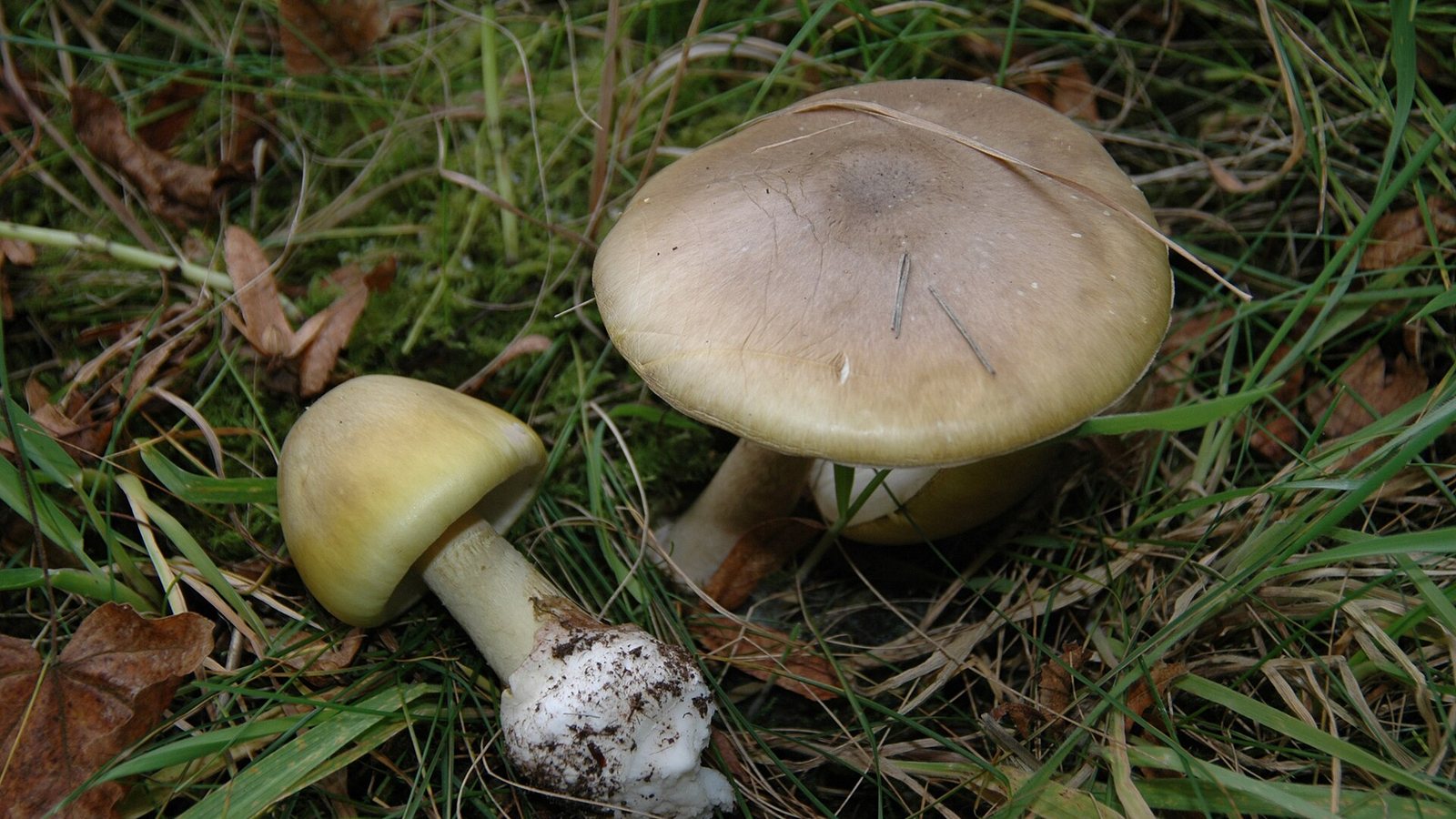
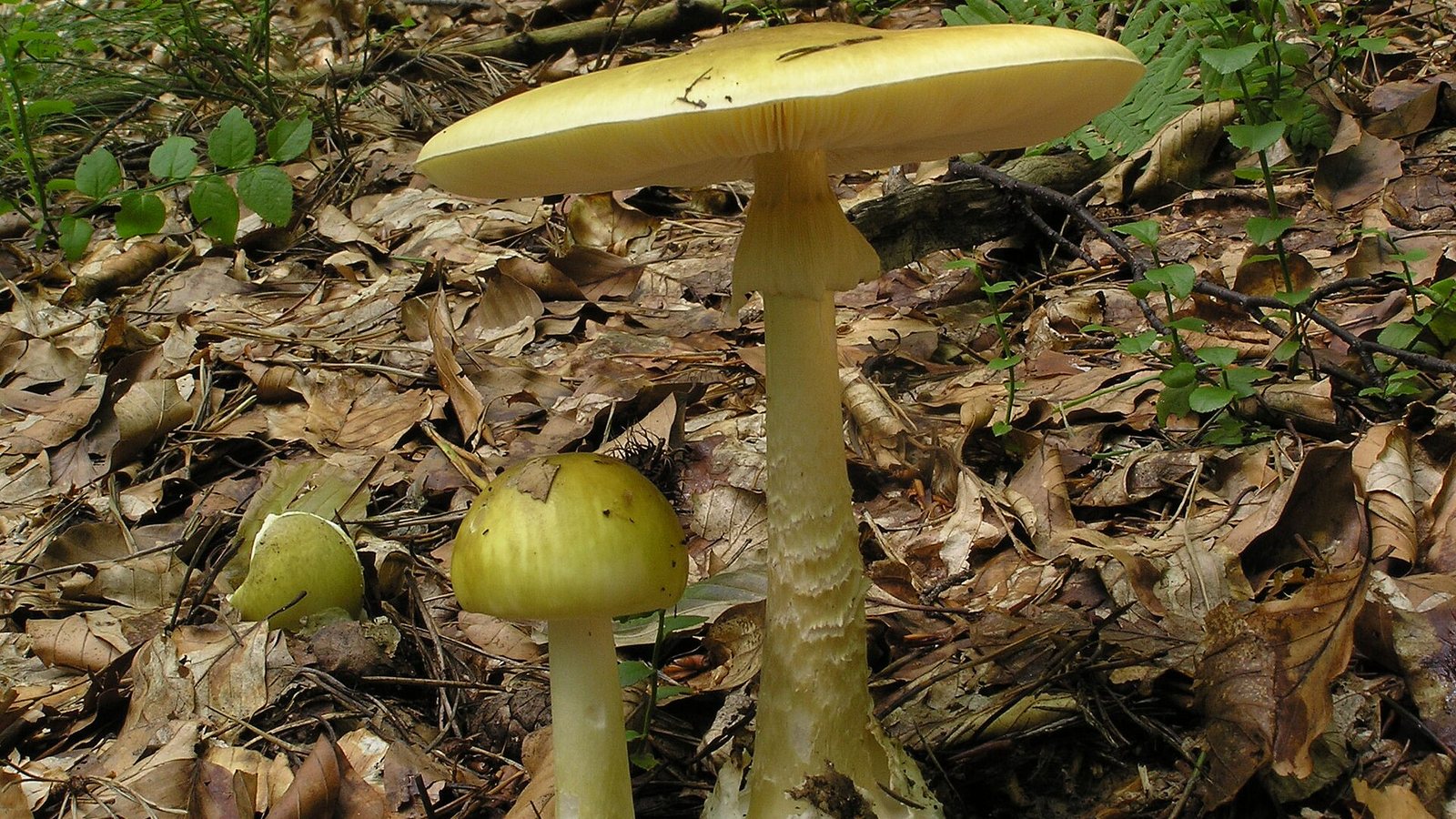
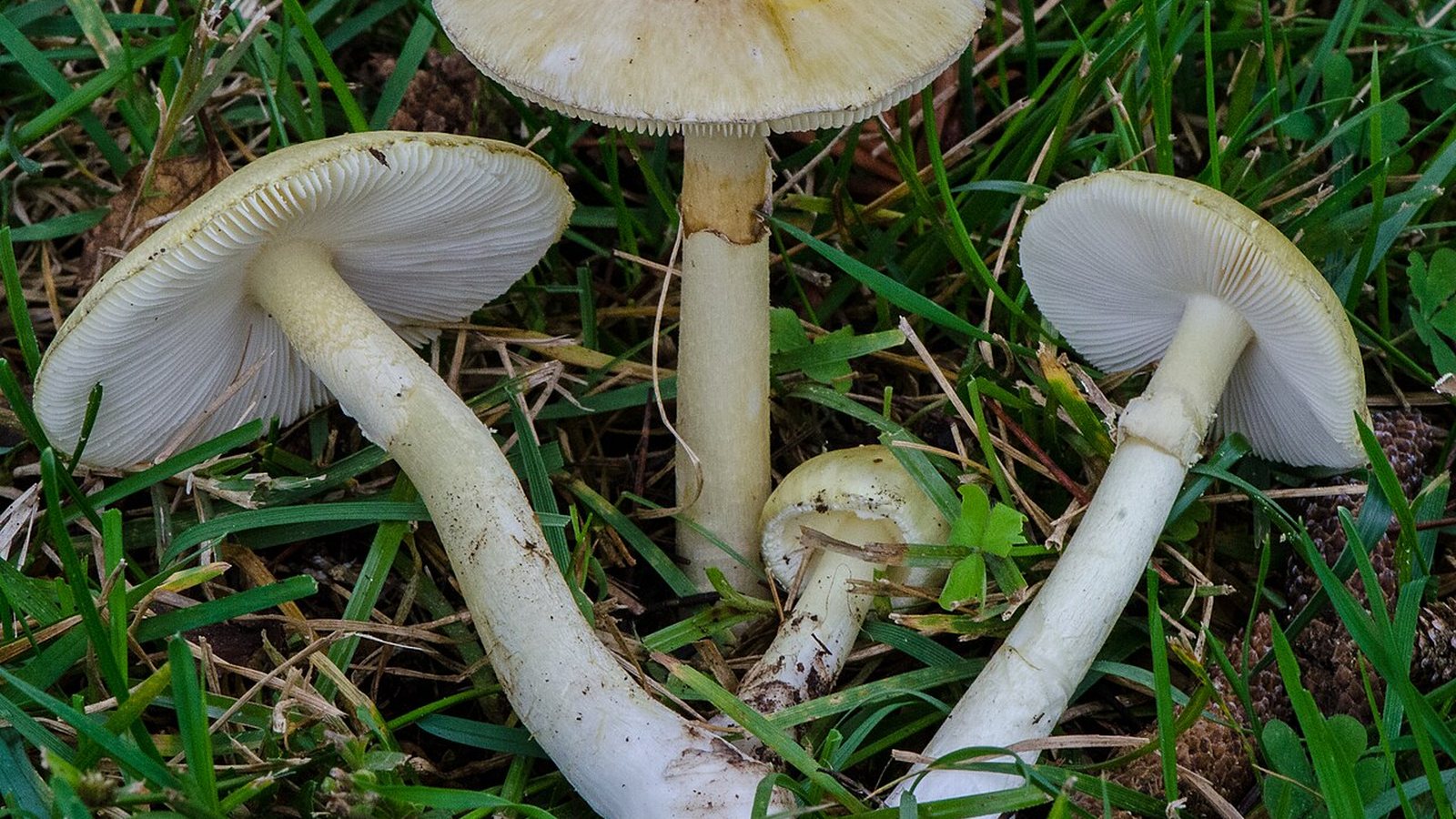
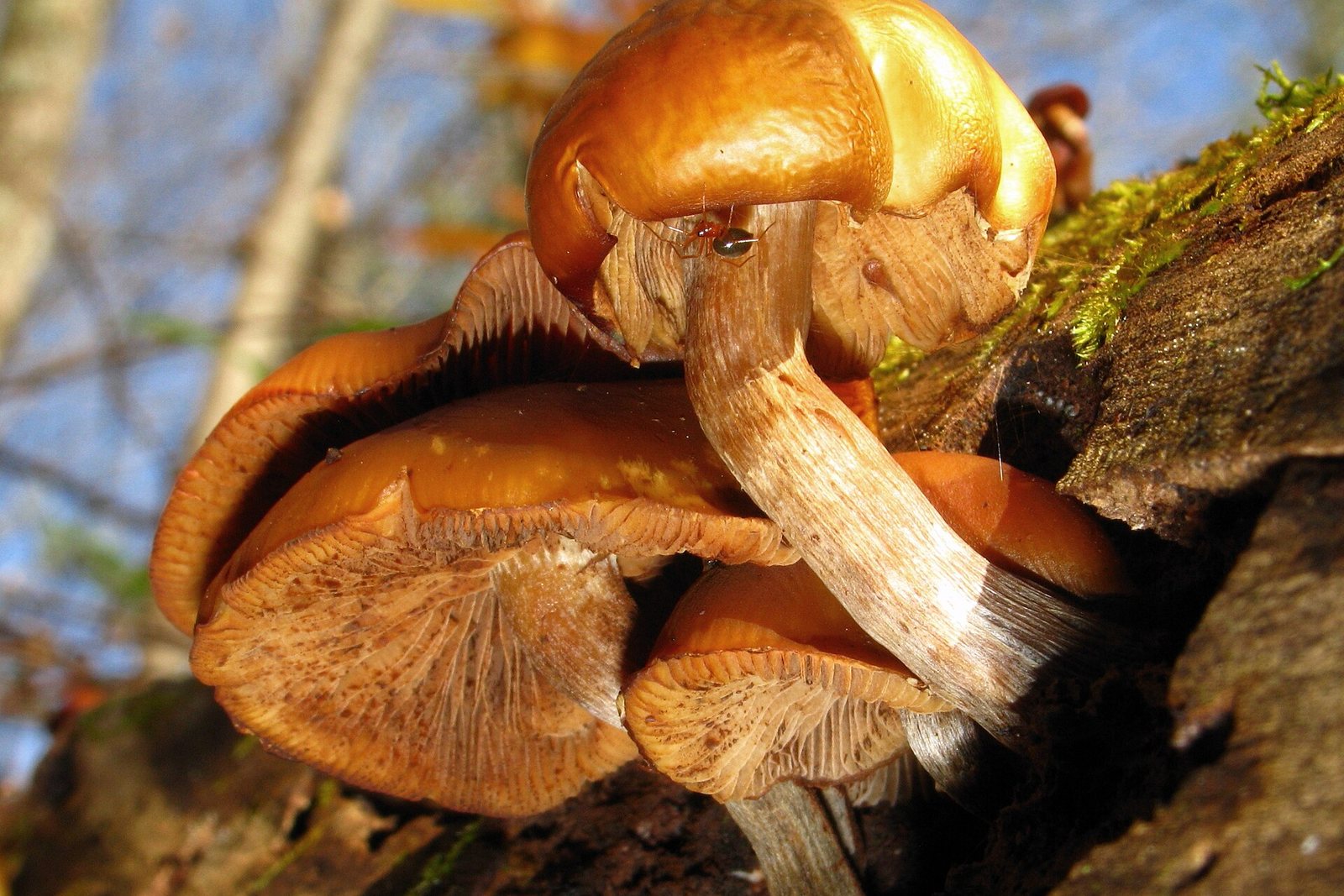
The funeral bell or deadly galerina (Galerina marginata, here also called ölümcül galerina) can fruit right beside it: Volk says the two can grow side by side. NAMA lists Galerina marginata among the amatoxin mushrooms, the same group as the death cap, and calls amatoxin poisoning extremely serious. Volk says it holds the same toxin as the death angel (Amanita virosa).
| What an expert checks in hand | Velvet shank | Funeral bell |
|---|---|---|
| Spore print | White | Brown (a warning sign) |
| Ring on the stem | None | One (it can fall off) |
| Stem base | Black and fuzzy | Not described by the source |
| Habitat | Dead hardwood, even high on a trunk | Can grow beside velvet shank |
This table shows what is checked in person; it is not a way for you to decide that a mushroom is safe. Volk warns that the ring can fall off and that young specimens may not yet show full gill colour, so every mushroom needs both checks. A single feature, a photo or a smell never settles it, and NAMA says "a single photograph is never enough".
Are oyster mushrooms a winter mushroom?
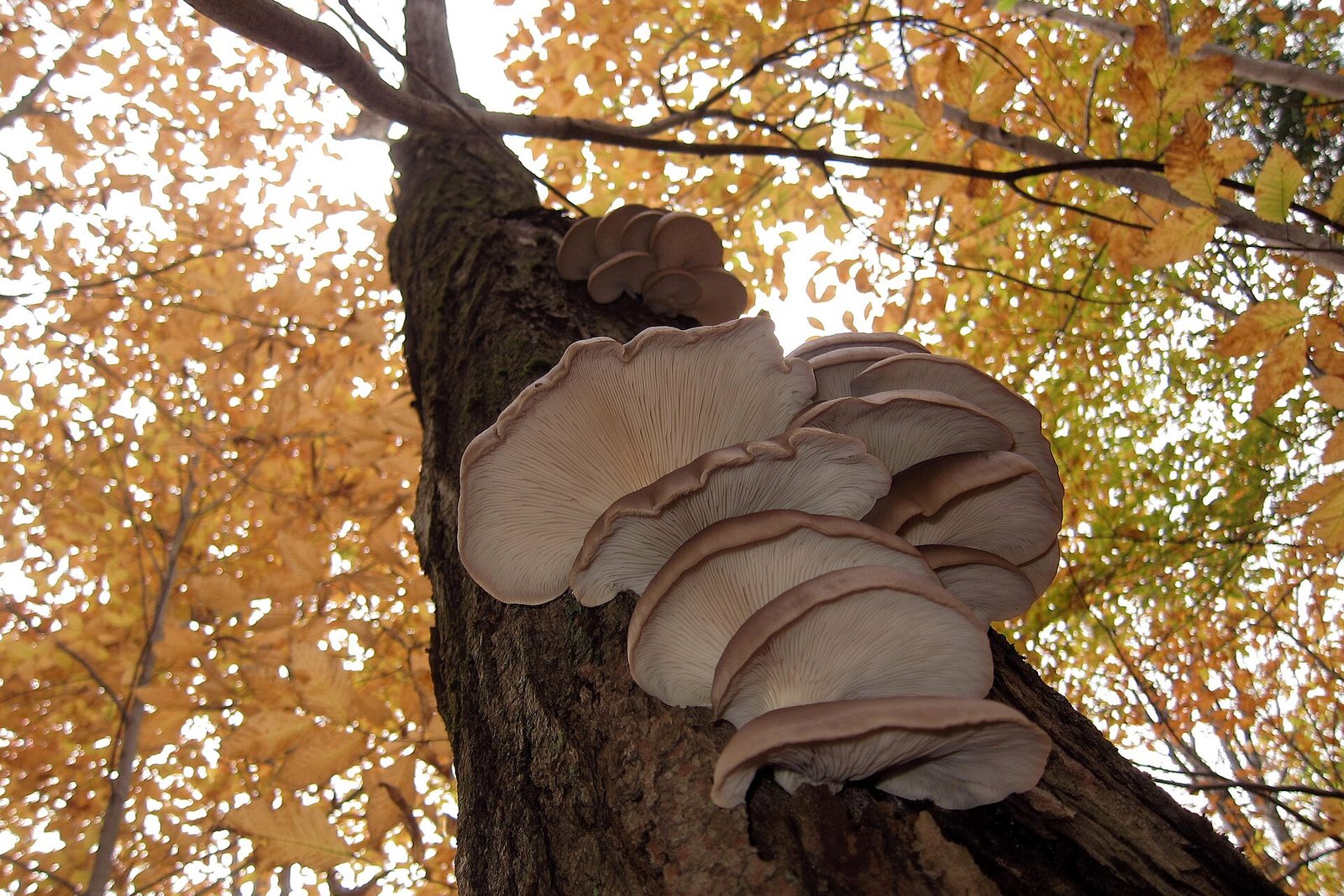
Often, yes. Volk describes the oyster mushroom (Pleurotus ostreatus, istiridye mantarı) as a late fall and winter fungus in Europe and North America, found mostly on dead hardwood, either standing or fallen. He notes that the cold-weather flush is chewier. He lists it as a delicious edible, with a white spore print and gills running down the stem. He names two look-alikes, Lentinellus ursinus (extremely bitter and hot, not known to be poisonous) and Crepidotus species (brown spores, thin flesh), and knows of no poisonous one among them.
That is a statement about those two species, not proof that nothing dangerous looks like an oyster. The sources we checked name no deadly oyster look-alike, and absence from a list is not a safety guarantee. If you want oysters, the safest path is a kit; see oyster mushroom grow kits.
What is jelly ear?
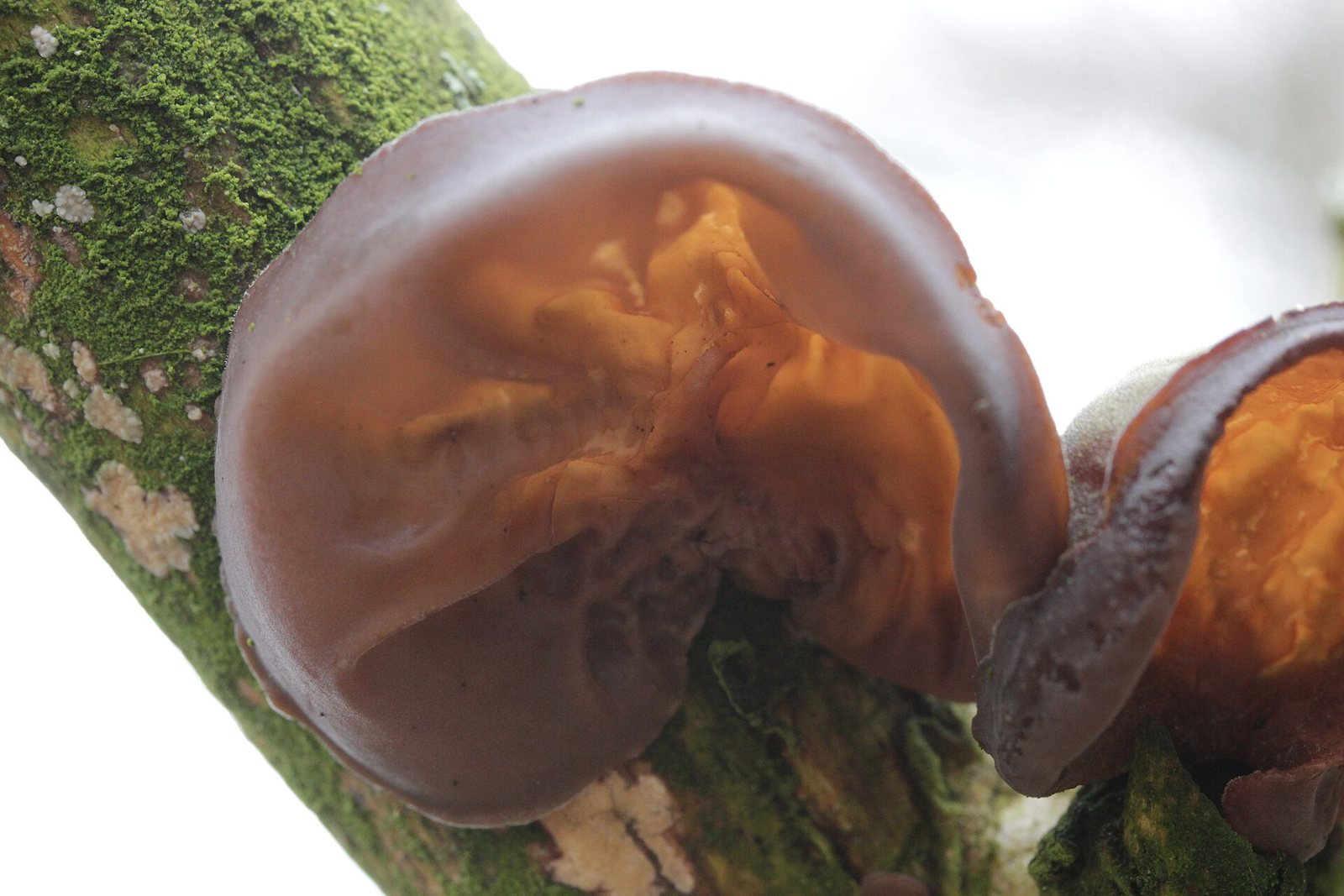
Jelly ear or wood ear (Auricularia, kulak mantarı) is a rubbery, ear-shaped fungus on wood. The Australian National Botanic Gardens says fresh fruiting bodies are gelatinous and somewhat ear-shaped, with a smooth, semi-glossy underside and a dull, roughened to bristly upper surface. We found no approved source to cite for how safe it is to eat, so this guide does not call it edible. Leave it where it grows and photograph it.
Winter mushroom myths that cause poisonings
- It is cold, so only safe species are left. The velvet shank and its deadly look-alike are both found in the cold months.
- It grows on wood, so it is the edible one. Volk says the velvet shank and the deadly look-alike can grow side by side.
- The app said so. A photo does not show the spore print, which is a main check; see can an app identify mushrooms.
- Colour, smell or insect damage tell you. NAMA says colour, insect damage, smell and folklore do not work as tests.
- Shop enoki looks fine, so the wild one is too. Volk says shop enoki looks very different from the wild form, so it tells you nothing about a wild one.
What can Flori do with a winter mushroom photo?
Flori can suggest what a wild mushroom might be from a photo, which is useful for keeping a record of what you saw and where. It cannot tell you that a mushroom is safe to eat and does not replace a local expert or a mycological club.
Winter mushrooms, dogs and children
Keep dogs on a lead near fruiting bodies on logs and stumps, and keep children away from unknown mushrooms. NAMA says to keep unknown mushrooms away from small children and pets, since dogs may eat mushrooms in yards or on walks. For a pet, call your vet or ASPCA Animal Poison Control at once rather than wait for signs; see poisonous mushrooms and dogs.
What should you do after eating an unknown mushroom?
- Call the poison line now. Türkiye: UZEM 114 (Ulusal Zehir Danışma Merkezi). United States: Poison Control 1-800-222-1222. United Kingdom: NHS 111. For a pet, call your vet or ASPCA Animal Poison Control.
- Do not wait for symptoms. NAMA says amatoxin symptoms are delayed 6 to 24 hours after eating, and that a patient may appear to recover around day two or three before liver and kidney failure follows.
- Keep a sample and photos. NAMA says to keep photos or specimens to help with identification. Keep any leftovers too, and take them to the hospital if you are told to go.
Do not try home remedies or make yourself vomit unless a professional tells you to. See mushroom poisoning symptoms for the timeline.
Frequently asked questions
What mushrooms grow in winter?
Velvet shank (Flammulina velutipes) prefers cold weather, and oyster mushroom is described by University of Wisconsin mycologist Tom Volk as a late fall and winter fungus. Jelly ear also grows on wood.
What is the deadly look-alike of the velvet shank?
Galerina marginata, which grows on wood, can grow beside velvet shank and contains amatoxins, the same group as the death cap (NAMA, Volk).
Is it safe to pick winter mushrooms?
No guide, photo or app can make a wild mushroom safe. Colour, smell, insects and cooking do not work as tests (NAMA); ask a local expert in person.
Can I tell velvet shank from galerina by the ring?
Not reliably. Volk says the ring can fall off and young specimens may lack gill colour, so experts check both the ring and the spore print.
What should I do if someone ate an unknown mushroom?
Call the poison line now (UZEM 114 in Türkiye, 1-800-222-1222 in the US, NHS 111 in the UK), keep a sample and photos, and do not wait for symptoms.
Mushroom season ends when rain stops or the weather turns cold, so the date varies by region. What still fruits in late autumn and the risks that remain.
Sources
- Tom Volk, University of Wisconsin: Flammulina velutipes (Fungus of the Month, March 1997)
- Tom Volk, University of Wisconsin: Pleurotus ostreatus, the oyster mushroom (Fungus of the Month, October 1998)
- North American Mycological Association: Mushroom poisoning syndromes
- North American Mycological Association: Wild mushroom safety
- Australian National Botanic Gardens: Jelly fungi and wood-ears
Written and fact-checked by the Flori team. Every guide cites horticultural sources such as the RHS, university extension services and the ASPCA, and is updated when the advice changes. How we write our guides
General plant care information. Plants vary; when a plant is valuable or a problem spreads quickly, consult a local nursery or plant specialist.