Why Is My Plant Leaning to One Side? Causes and Fixes
A plant leaning to one side is usually reaching for light, but may be top-heavy, loose in the pot or rotting. Table of causes plus how to straighten it.
 By Flori editorial team · Updated
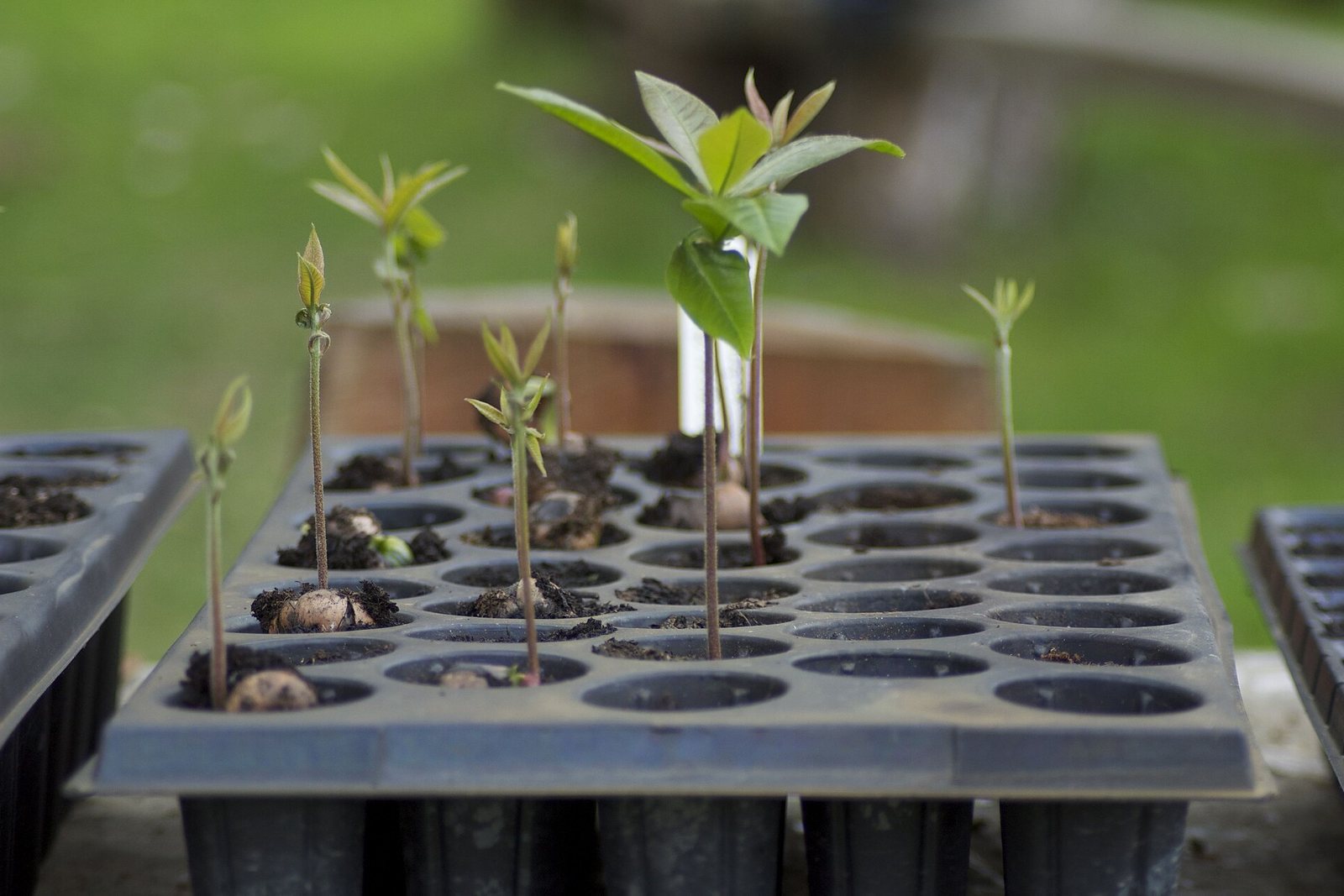
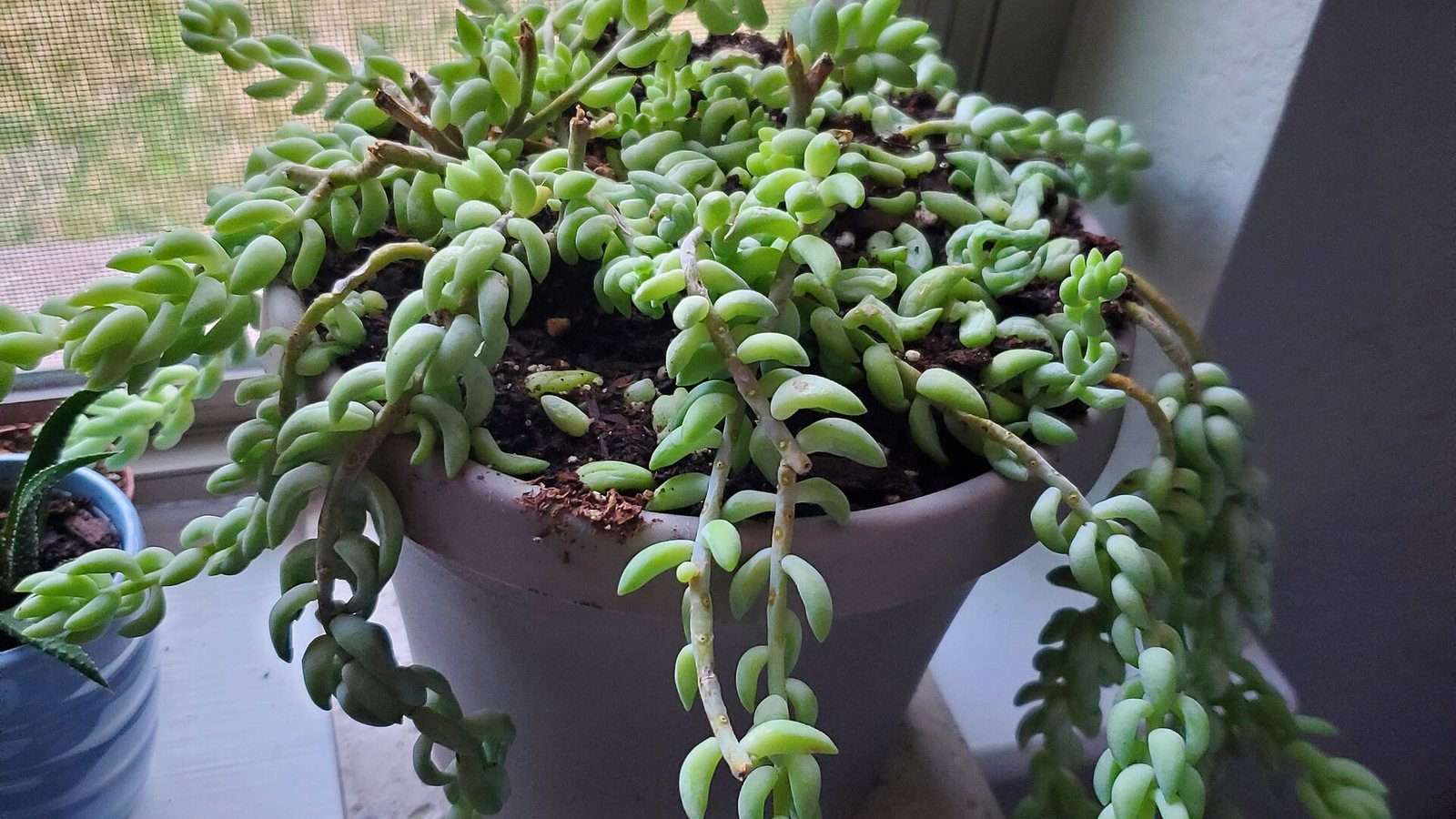 Photo: Paradoxurus · CC0
Most leaning plants are reaching for light: auxin builds up on the shaded side of the stem, so it curves toward the window. Move the plant closer and turn it a quarter turn at each watering. If the root ball wobbles or the stem base is soft, check for a too-light pot, root-bound roots or rot.
Key takeaways
- Light from one side makes the stem curve toward it; move the plant closer and rotate the pot.
- A top-heavy plant needs a wide, heavy pot and support, not a huge pot.
- A wobbly root ball means loose roots or a pot that is too big; a packed pot means repot one size up.
- A soft, dark stem base with yellowing leaves points to rot; check the roots straight away.
- Bent stems often stay bent; new growth comes straight once light is even.
On this page8
Why is my plant leaning to one side?
A plant that leans to one side is usually reaching for light, but not always: it can also be top-heavy, loose in its pot, or sitting on a rotting stem. The fix depends on which one it is, so this guide starts with a quick check you can do in a minute, then goes through each cause with a symptom, cause and fix table. If your plant is stretched and sparse as well as leaning, our guide to leggy plants goes deeper on the stretching; here the question is the tilt.
How do you tell what is making it lean?
| What you see | Likely cause | What to do |
|---|---|---|
| Whole plant bends toward the window, stems long and pale | Not enough light, or light from one side only | Move closer to the light, turn the pot regularly |
| Stem is straight but flops under heavy leaves or flowers | Top-heavy, weak or unsupported stem | Support it, prune, use a heavier pot |
| Whole root ball wobbles or tilts in the pot | Loose, unstable roots; pot too light or too big | Repot into a wide, heavy pot and firm the mix |
| Plant tips over, pot is packed with roots | Root-bound and top-heavy | Repot one size up |
| Stem soft or dark at the base, leaves yellowing or collapsing | Overwatering, root or stem rot | Check the roots now |
| Leans only after you moved it | Reaching for the new light | Give it a few weeks, rotate, or move it back |
Gently wiggle the base of the plant. If the stem bends but the roots hold firm, the problem is above the soil. If the whole root ball shifts, or the stem is soft, look below.
Is it leaning toward the light?
This is the most common cause. The RHS defines phototropism as the ability of plants to grow towards a light source. When light comes from one side, the hormone auxin collects on the shaded side of the stem, so that side grows faster and the stem curves toward the light. Weak, spindly growth and pale leaves are the RHS's signs of too little light, and Iowa State University Extension warns that spots more than a few feet from a window may be too dim for houseplants. Plants lean harder in winter, when daylight is weak.
To fix it:
- Move the plant closer to the window, or to a brighter one. The RHS says many houseplants benefit from being moved closer to south- or west-facing windows in winter. That advice is for the northern hemisphere; south of the equator the sunniest windows face north and east. See our guide to plants by window direction.
- Turn the pot a quarter turn every time you water, so all sides get light and growth stays even.
- Add a grow light if the room is dim. A grow light can even out the light on all sides of the plant.
Be patient. Stems that have already grown bent often stay bent, but new growth will come out straight once the light is even. If the stretched stems look untidy, cut them back to a node and the plant will branch.
Is the plant top-heavy or too weak to stand?
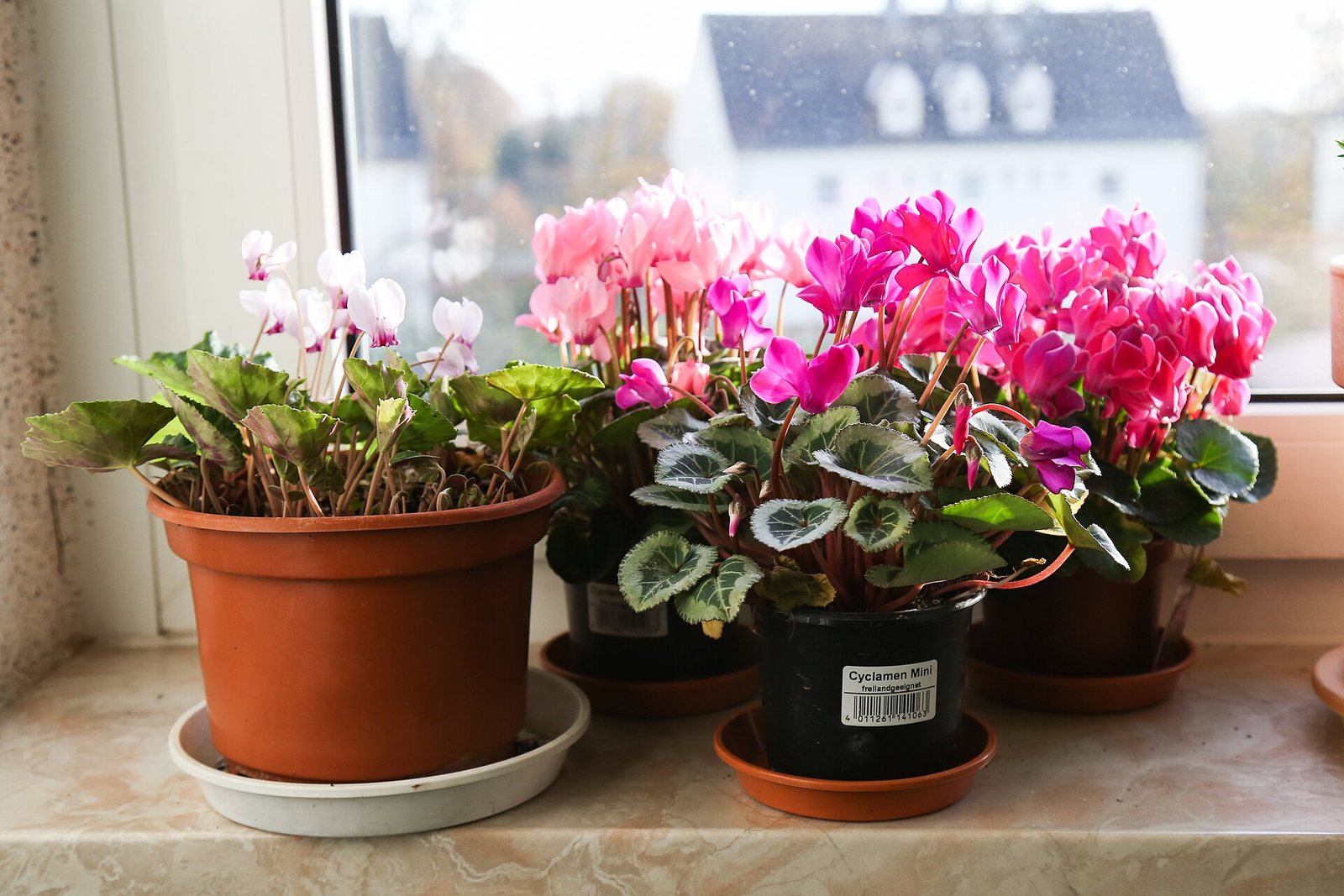
Some plants simply grow faster above ground than below. Iowa State lists a plant becoming top-heavy as one sign it needs repotting, and the RHS says top-heavy plants are best potted into a peat-free, loam-based compost, which is heavier and gives more stability. It also names plants that are unstable in their containers, with a weak root system, as a problem to watch for.
- Use a wide, heavy pot. Iowa State says that for taller plants you should choose broad, wide-based pots, which are more stable and less likely to tip. Penn State Extension adds that heavy stone and concrete pots are less likely to tip over when a plant becomes top-heavy, and that terracotta is heavier than plastic.
- Do not jump to a huge pot. Iowa State says bigger is not always better; go up one or two sizes at a time. See choosing the right pot.
- Support climbers. A moss pole or stake gives a vining plant something to hold. See moss poles and trellises.
Is it root-bound or loose in the pot?
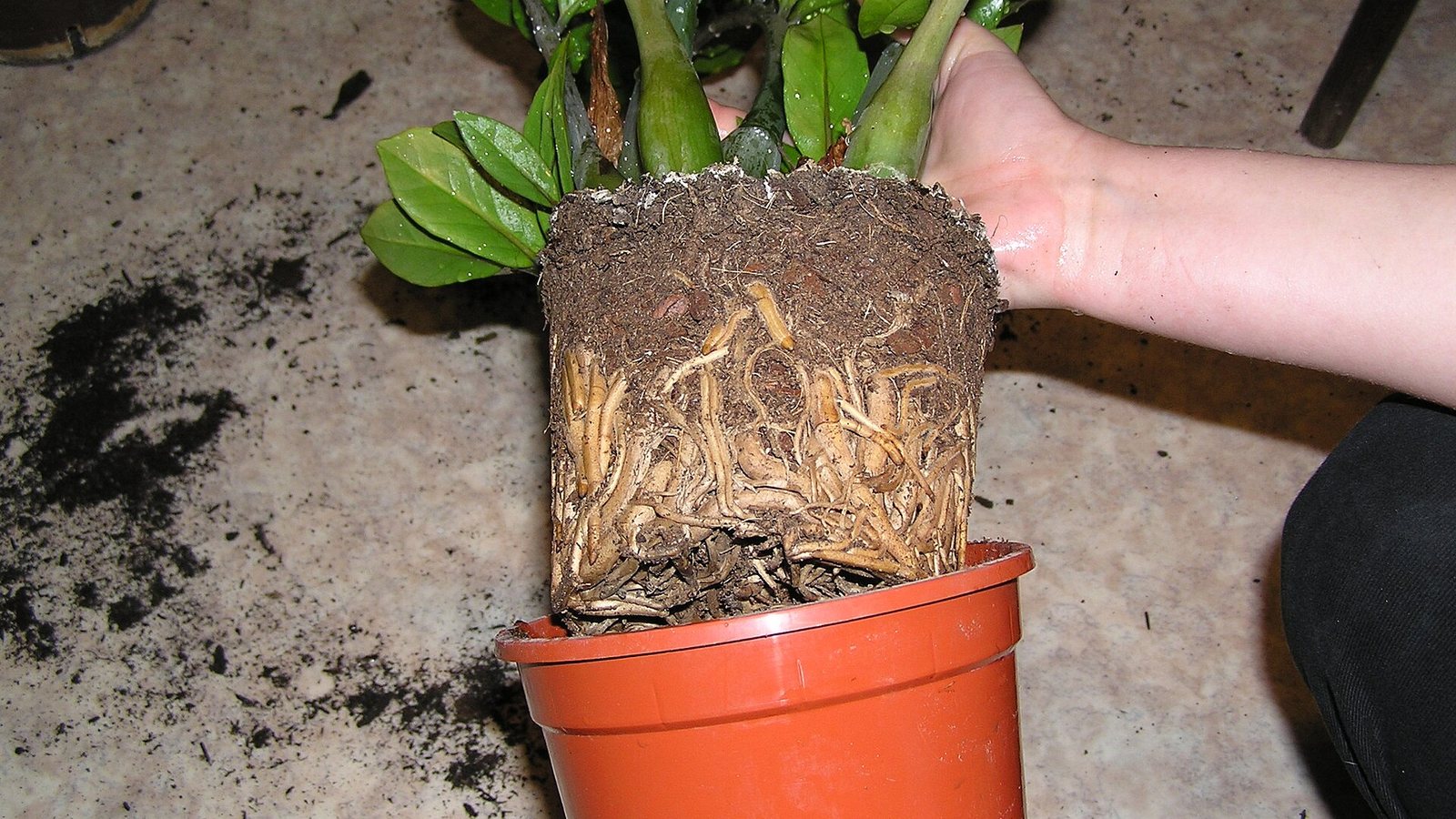
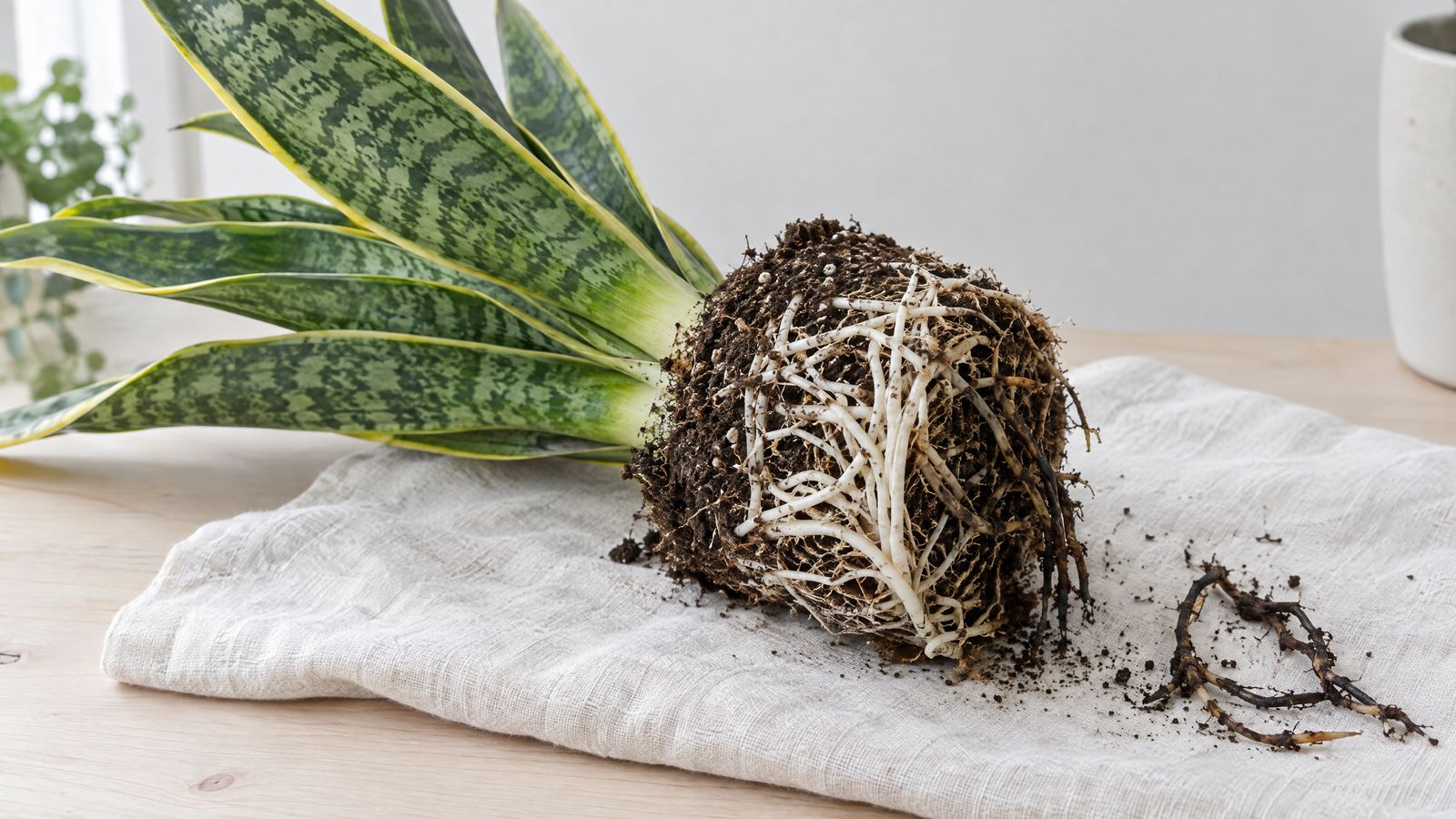
Two opposite root problems both cause a lean. A root-bound plant pushes itself up and over in a pot that is too small: Penn State lists roots growing through the drainage holes, roots circling the root ball and growth that has slowed despite regular feeding as signs that it is time to repot. A plant in an oversized pot, or one whose roots have died, has no firm anchor, so the whole root ball tilts. Slide the plant out carefully and look. Healthy roots are firm and pale; if the pot is a solid mat, repot into a pot only slightly larger, as Penn State advises. Our root-bound plants guide has the steps.
Could it be rot?
If a plant leans and the stem is soft, or the leaves are yellowing and dropping, think about the roots before the light. The RHS describes overwatering damage as stem rot and dark, mushy roots, and says plant collapse or yellowing leaves that drop can mean overwatering, because the airspaces in the soil are replaced with water and the roots drown. A soft, dark stem base is an emergency. Remove the plant from the pot, rinse the roots and cut away anything black or mushy. Our root rot rescue plan has the step-by-step. Wilting alone can fool you too: the RHS notes it is easy to mistake overwatering wilting for thirst and drown the plant.
How do you straighten a leaning plant?
- Find the cause with the table above before you change anything.
- Fix the light first. Move the plant, or turn it, so the lean stops getting worse.
- Support the stem. Push a stake in near the root ball, not through it, and tie with soft ties that leave room for the stem to thicken. Tie loosely so the stem can move.
- Repot if the root ball is loose or the pot is too small, using a wider, heavier pot and fresh mix, and firm the mix gently around the stem.
- Prune the stretched stems back to a node to rebalance the plant.
- Watch it for a few weeks. If it keeps leaning, or the base turns soft, check the roots.
If you are not sure which cause fits, Dr. Flori in the Flori app can ask follow-up questions from your description or a photo and say how urgent the problem is; the Plant Hospital keeps the plant under watch with a follow-up plan.
How do you stop it happening again?
- Rotate pots a quarter turn at each watering.
- Check light in winter, when daylight is weak, and move plants closer to the window.
- Choose a wide, heavy pot for tall plants.
- Repot when roots circle the pot, and go up one size only.
- Water by checking the mix first, so roots stay firm.
Frequently asked questions
Why does my plant lean toward the window?
Plants grow toward light. According to the RHS, auxin collects on the shaded side of the stem, so that side grows faster and the stem curves toward the light. Turn the pot a quarter turn at each watering.
Will a leaning plant straighten itself?
New growth will come out straight once light is even, but stems that have already bent usually stay bent. Support the stem or cut it back to a node so the plant branches.
Why does my plant keep falling over in its pot?
It may be top-heavy, root-bound or in a pot that is too light. Iowa State University Extension recommends broad, wide-based pots for taller plants, and the RHS says heavier loam-based compost helps top-heavy plants.
Can overwatering make a plant lean?
Yes. Overwatering damages roots and can rot the stem base, and a plant with a soft, dark base or yellowing, dropping leaves needs its roots checked at once.
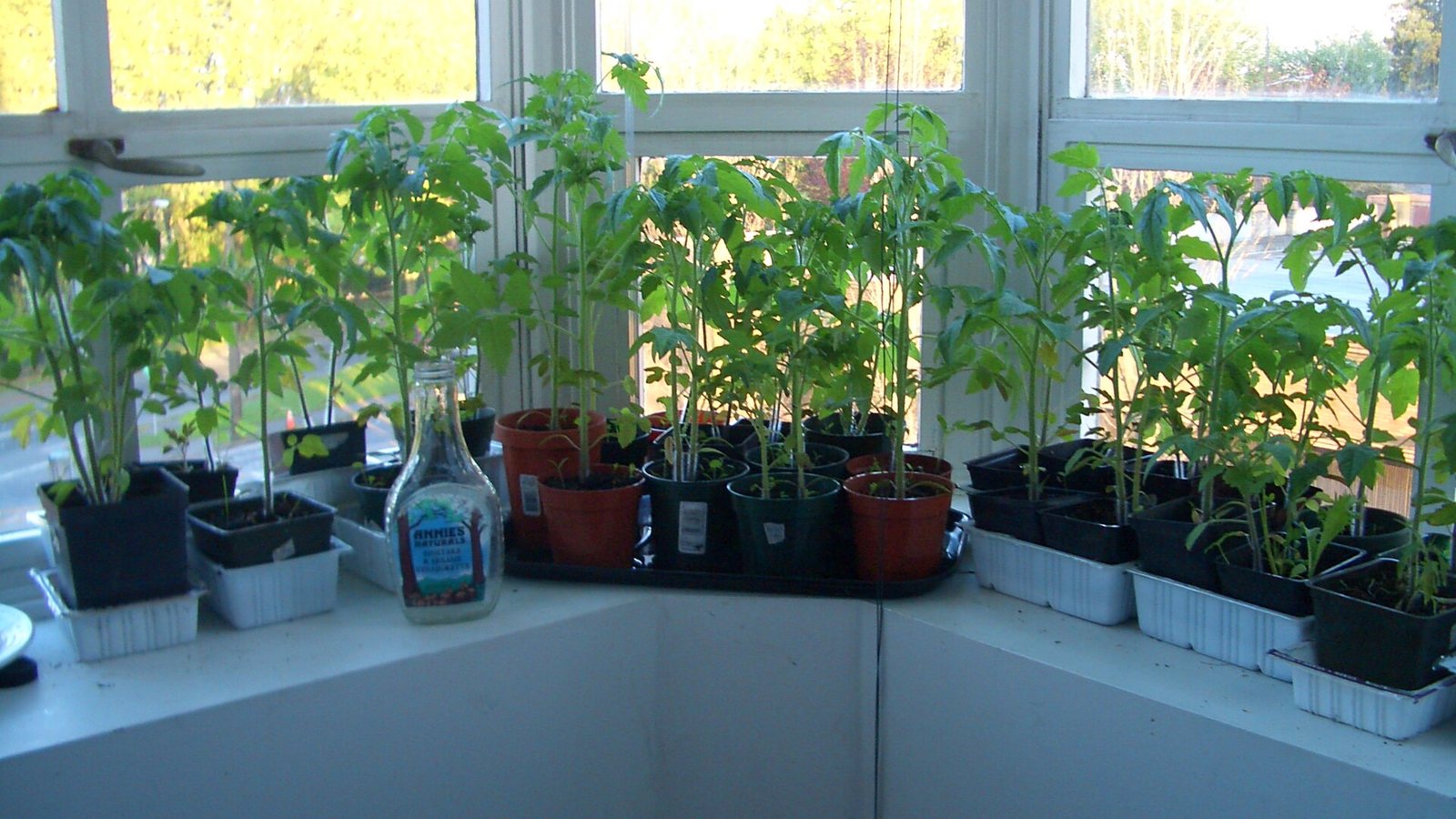
Leggy plants stretch for light, and stretched stems never shrink. How to fix the light first, then prune, pinch and propagate, with fixes by plant type.
Sources
Written and fact-checked by the Flori team. Every guide cites horticultural sources such as the RHS, university extension services and the ASPCA, and is updated when the advice changes. How we write our guides
General plant care information. Plants vary; when a plant is valuable or a problem spreads quickly, consult a local nursery or plant specialist.