Plant Not Growing? Common Reasons and Fixes
Plant not growing? Check whether it is just resting for winter, then light, roots, pot size, feeding, salts and pests, with a symptom, cause and fix table.
 By Flori editorial team · Updated
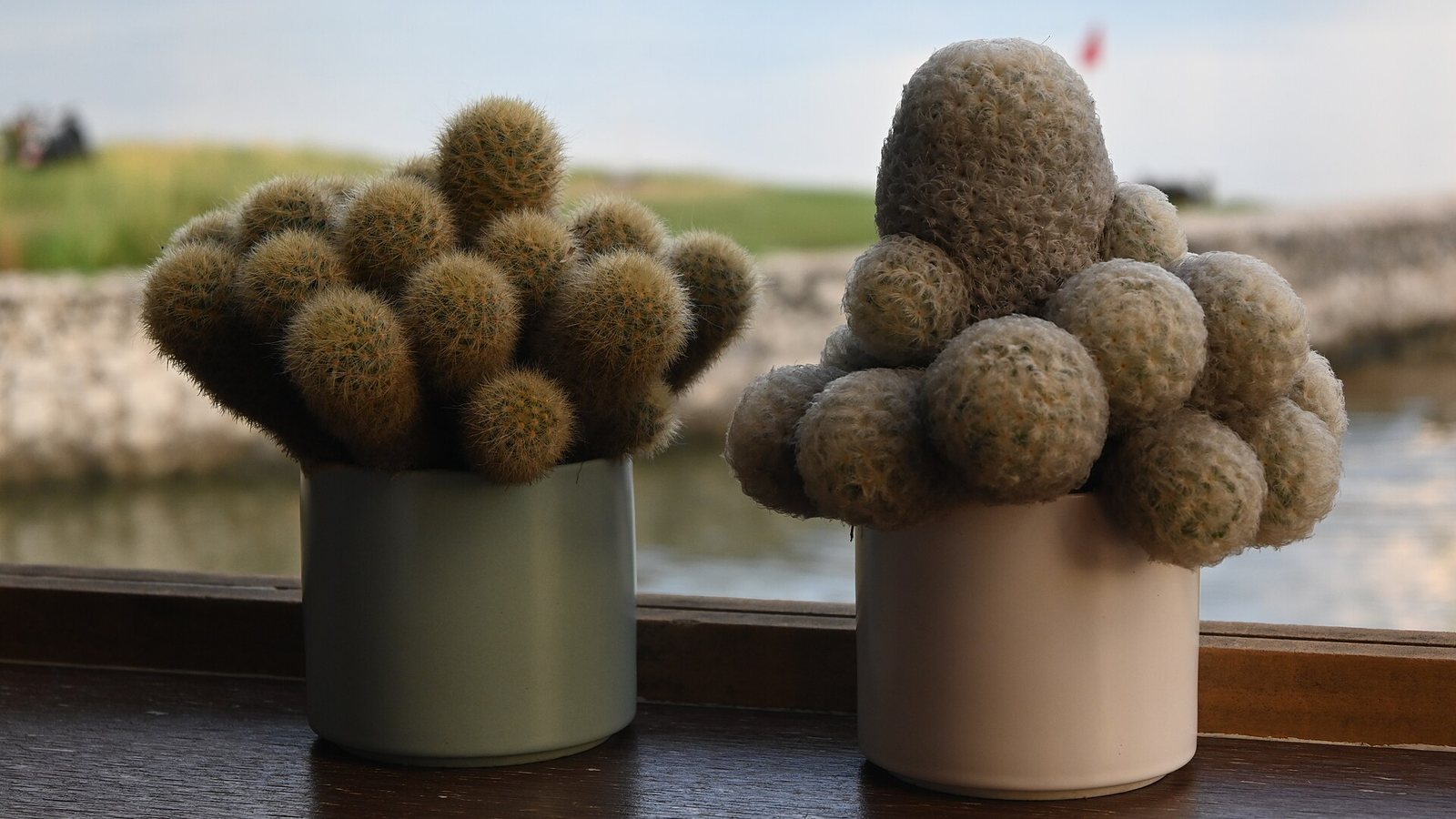 Photo: PattayaPatrol · CC BY-SA 4.0
In winter, a healthy plant that stops growing is usually just resting: water less and stop feeding. In the growing season the usual causes are too little light, roots that have filled the pot, a pot that is far too big, used-up nutrients or salt build-up. Check light first, then the roots, then feeding.
Key takeaways
- Many houseplants rest in winter; no new growth on a healthy plant then is normal.
- Too little light is the most common reason a plant stalls in the growing season.
- Roots out of the drainage holes and water running straight through mean the plant needs a bigger pot.
- A pot that is far too big also stunts growth; go up only 2.5–5 cm (1–2 in).
- Fertilizer helps only when the plant has enough light and is actively growing.
On this page8
Why is my plant not growing?
A plant that is not growing is usually doing one of three things: resting for the season, short of light, or held back by its roots. Less often the cause is hunger, salt build-up, too much water, pests or cold. The trick is to check them in the right order, because the fixes pull in opposite directions: a resting plant needs less water and no fertilizer, while a root-bound one may need a bigger pot and feeding. This guide starts with the question most people skip (is it actually stuck?), then gives a symptom-to-cause table and the fix for each, for readers in either hemisphere.
Is your plant stuck, or just resting?
If it is winter where you live and the plant otherwise looks healthy, slow or no growth is normal. Clemson Cooperative Extension says that during the short days of winter many indoor plants that get little or no artificial light enter a resting stage, and that you should not fertilize them during that rest. Iowa State University Extension agrees that many houseplants rest in winter and need less fertilizer and less water while light levels are low, and the RHS notes that with lower light and temperatures plants simply grow less.
So in winter, firm, green leaves and no new growth are not a problem to fix. Water less, stop feeding and wait for spring; our winter houseplant care guide covers the details. The causes below matter when growth has stalled in the growing season, or when the plant looks unwell as well as stuck.
Plant not growing: symptoms, causes and fixes
| What you see | Likely cause | What to do |
|---|---|---|
| Healthy leaves, no new growth, in winter | Seasonal rest | Water less, no fertilizer, wait for spring |
| New growth pale, spindly, small or slow; plant leans; leaves drop | Too little light | Move closer to a bright window or add a grow light |
| Roots out of the drainage holes, water runs straight through, stalled despite feeding | Root bound | Repot one size up in spring |
| Stunted after moving to a much bigger pot; soggy mix, yellowing | Overpotting | Water sparingly; if it worsens, repot into a pot just bigger than the roots |
| Same pot for years, never fed, older leaves paler | Nutrients used up | Liquid feed during the growing season |
| White crust on the mix, brown tips, lower leaves dropping | Salt build-up | Flush with plenty of water; feed less |
| Old and new leaves yellowing together, wilting in wet mix | Overwatering or root rot | Let it dry; check the roots |
| Speckled, sticky or webbed leaves | Sap-sucking pests | Inspect undersides; treat early |
Is it getting enough light?
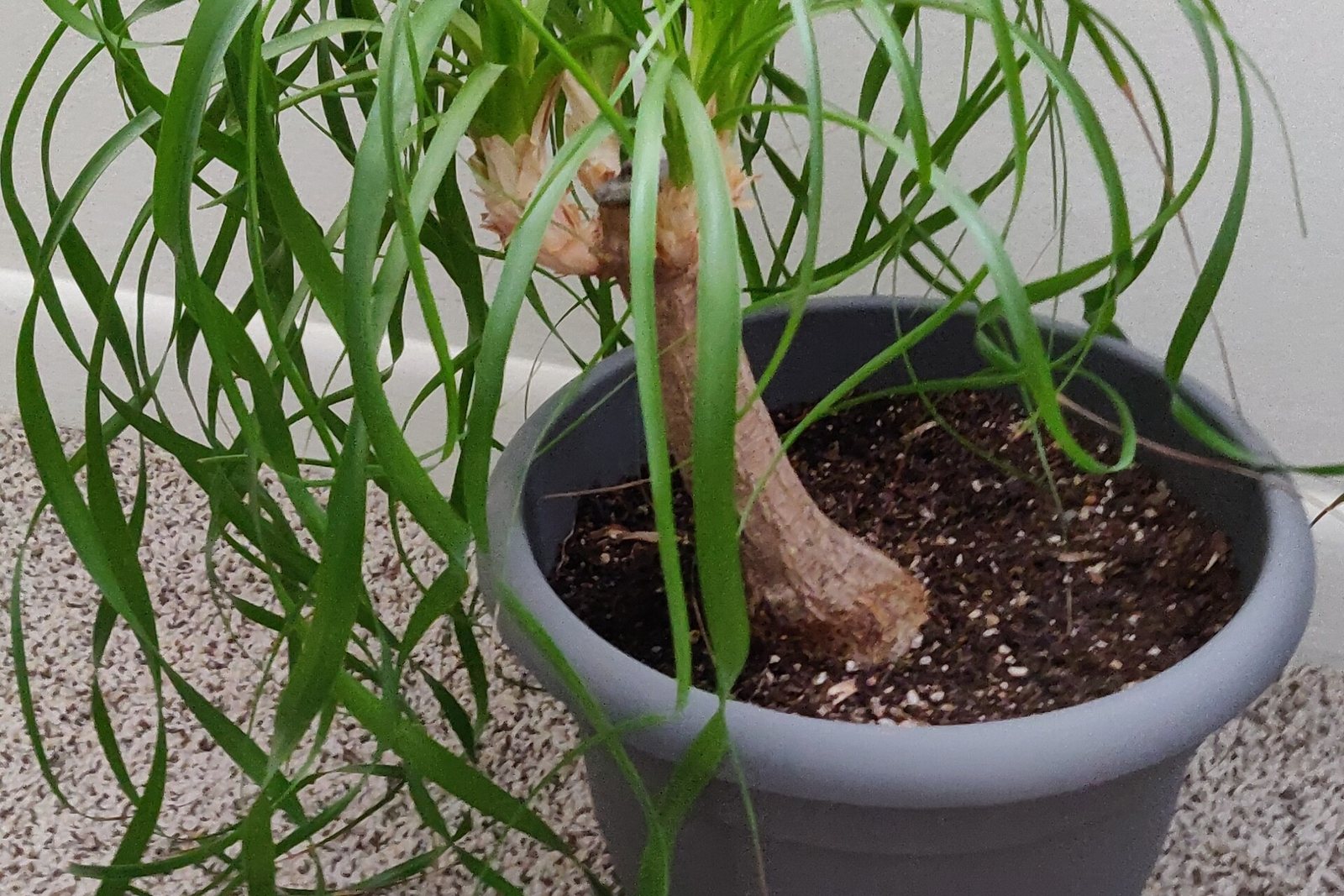
Light is the most common reason a houseplant stalls in the growing season. Iowa State says that if leaves drop, flowers fail to develop, or growth is pale, spindly or slow, light levels may be too low. Clemson calls adequate light the most important factor for growing plants indoors and gives a useful number: about 100 foot-candles (roughly 1,100 lux) for 12 hours a day is needed simply to maintain a plant's quality, and at least 200 foot-candles (roughly 2,150 lux) before fertilizer actually helps foliage plants. For comparison, Clemson notes that the light in a well-lit home is often below 100 foot-candles.
That second number explains a common mistake: feeding a plant in a dim corner does not make it grow. Move it closer to the window first, and in winter, the RHS suggests moving plants nearer south- or west-facing windows (north- or west-facing in the Southern Hemisphere). If the plant is stretching rather than stuck, our guide to leggy plants shows how to fix the shape. Flori's Smart light meter can give you a reading for the spot where the plant stands, which beats guessing.
Is the pot too small, or too big?
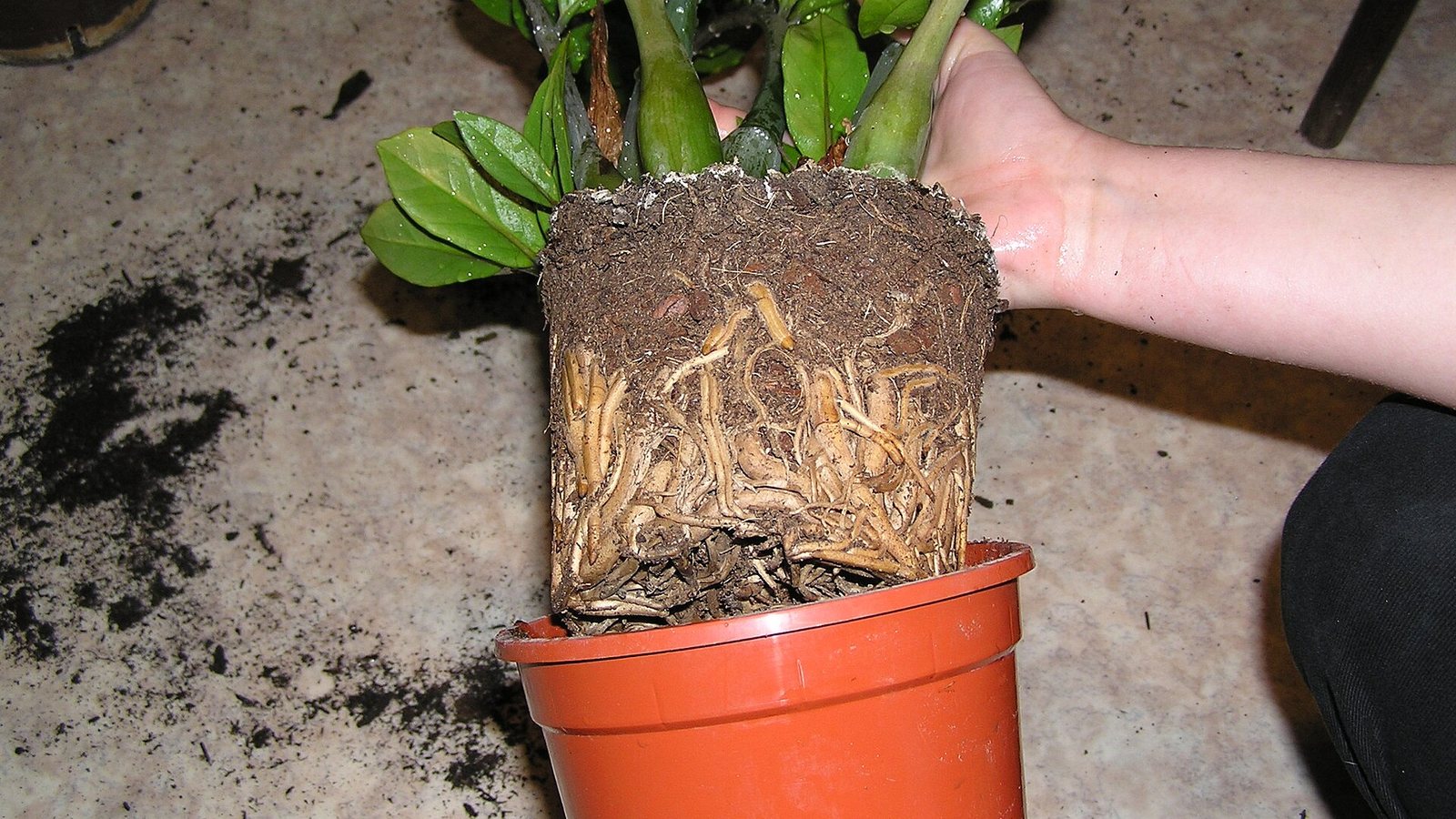
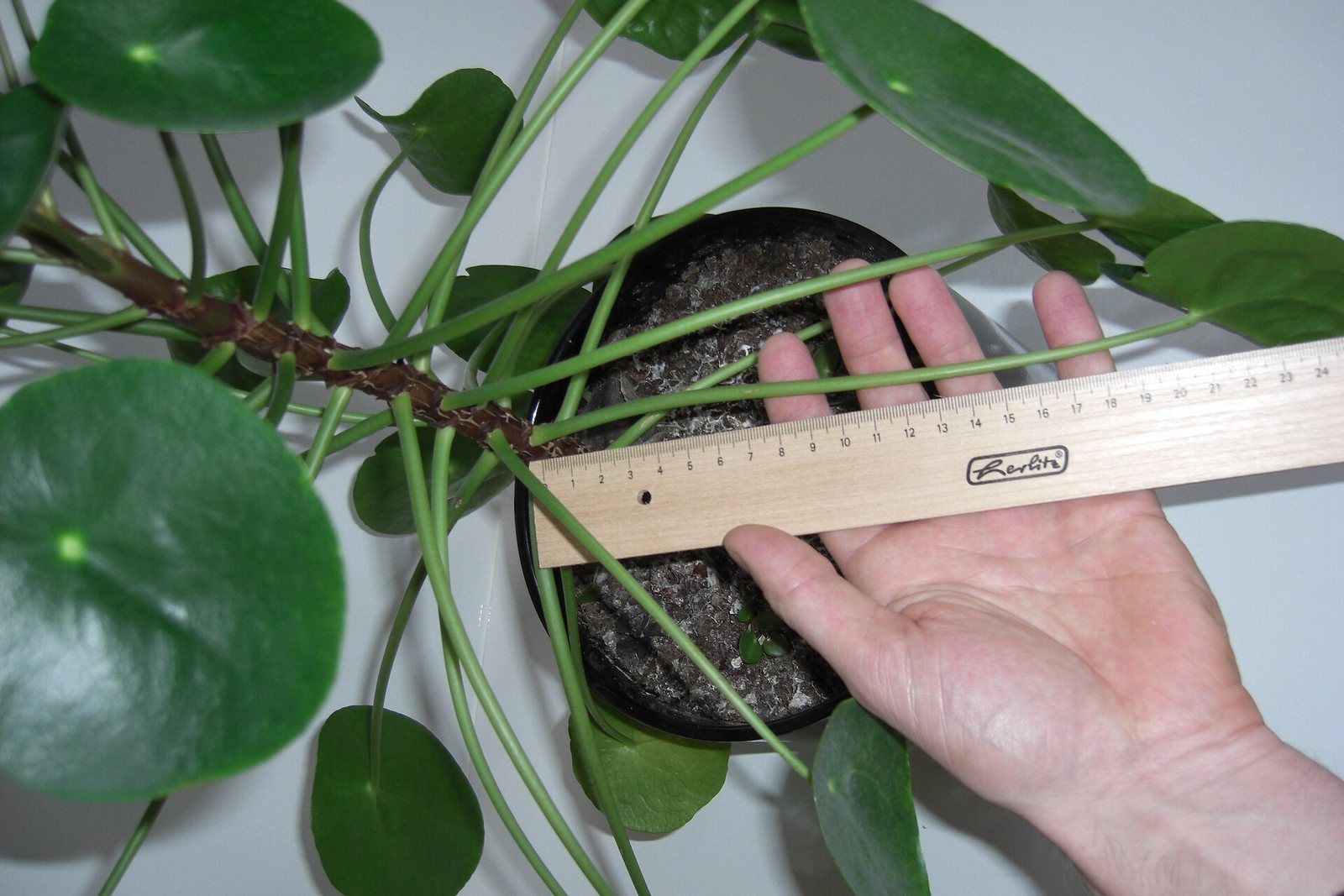
Too small. Penn State Extension lists three signs a plant has run out of room: water drains through the pot very quickly, roots grow out of the drainage holes, or growth has stalled even with regular feeding in spring and summer. Slide the plant out and look: if the roots circle the root ball or are so dense you can hardly see potting mix in the bottom third, it is time to repot. Penn State says spring is the best time, as active growth begins, and the new pot should be only slightly larger. Our guide to repotting without stress walks through it.
Too big. The opposite mistake also stops growth. The RHS describes overpotting: a plant moved into a much larger container sits in a large volume of new compost that stays wet for a long time, roots that cannot reach it may rot, and after a few weeks or months you see yellowing, leaf fall, wilting and stunted growth. Its advice is to move up only 2.5–5 cm (1–2 in) in diameter. If it has already happened, water sparingly, only when the compost is drying, and if symptoms continue, repot into a container only just larger than the root ball.
Does the plant need feeding?
Possibly, if it has been in the same pot for years. The RHS points out that houseplants grown in one pot for a long time will use up the nutrients in it, and that growth can be boosted with a liquid feed during the growing season. Iowa State says to fertilize only when plants are actively growing, typically once or twice a month from early spring to late autumn.
Two cautions. First, more is not better: Iowa State notes that too much fertilizer can produce spindly, weak growth when light, humidity or moisture cannot support it. Second, salts from fertilizer and hard water build up: Clemson says salt build-up can damage roots, causing reduced growth, brown leaf tips, dropping lower leaves and wilting. If you see a white crust on the mix, water thoroughly so the excess drains away before you feed again.
Could it be water, pests or cold?
Overwatering often looks like thirst. The RHS warns that it is easy to mistake overwatering for a lack of water and drown a plant, especially in winter when growth slows; old and new leaves yellowing and dropping at the same time is a typical sign. Our how often to water houseplants guide explains how to check before you water.
Sap-sucking pests such as spider mites, aphids and mealybugs also slow growth. The RHS says small numbers are easy to pick or wipe off, so check plants regularly, especially new ones; turn the leaves over and look along the stems. Finally, a plant pressed against cold glass or sitting in a draught may stall; see how cold is too cold for houseplants.
What to do first: a five-minute check
- Check the season. Winter and healthy-looking? Wait.
- Check the light. Pale, spindly or leaning growth means move it closer to a window.
- Check the mix. Push a finger in: soggy means water less, bone dry means water more thoroughly.
- Check the roots. Slide it out: circling, packed roots mean repot in spring.
- Check under the leaves. Specks, webbing or stickiness mean pests.
If you have been through the list and still cannot see the cause, Dr. Flori can ask the follow-up questions from a photo or description, tell you how urgent it is and give a recovery plan.
Frequently asked questions
Why has my plant stopped growing in winter?
Most likely it is resting. Clemson Extension says many indoor plants enter a resting stage in the short days of winter; water less, do not fertilize and expect growth to restart in spring.
Will fertilizer make my plant grow faster?
Only if light and roots are not the problem. Clemson notes fertilizer helps foliage plants only with at least about 200 foot-candles (roughly 2,150 lux) of light, and too much feed causes weak growth and salt damage.
How do I know if my plant is root bound?
Penn State Extension's signs are water running through very quickly, roots growing out of the drainage holes and growth stalling despite regular feeding. Slide the plant out: circling, packed roots mean it is time to repot.
Can a pot be too big for a plant?
Yes. The RHS explains that a much larger pot holds wet compost for a long time, which can rot roots and stunt growth. Go up only 2.5–5 cm (1–2 in) in diameter.
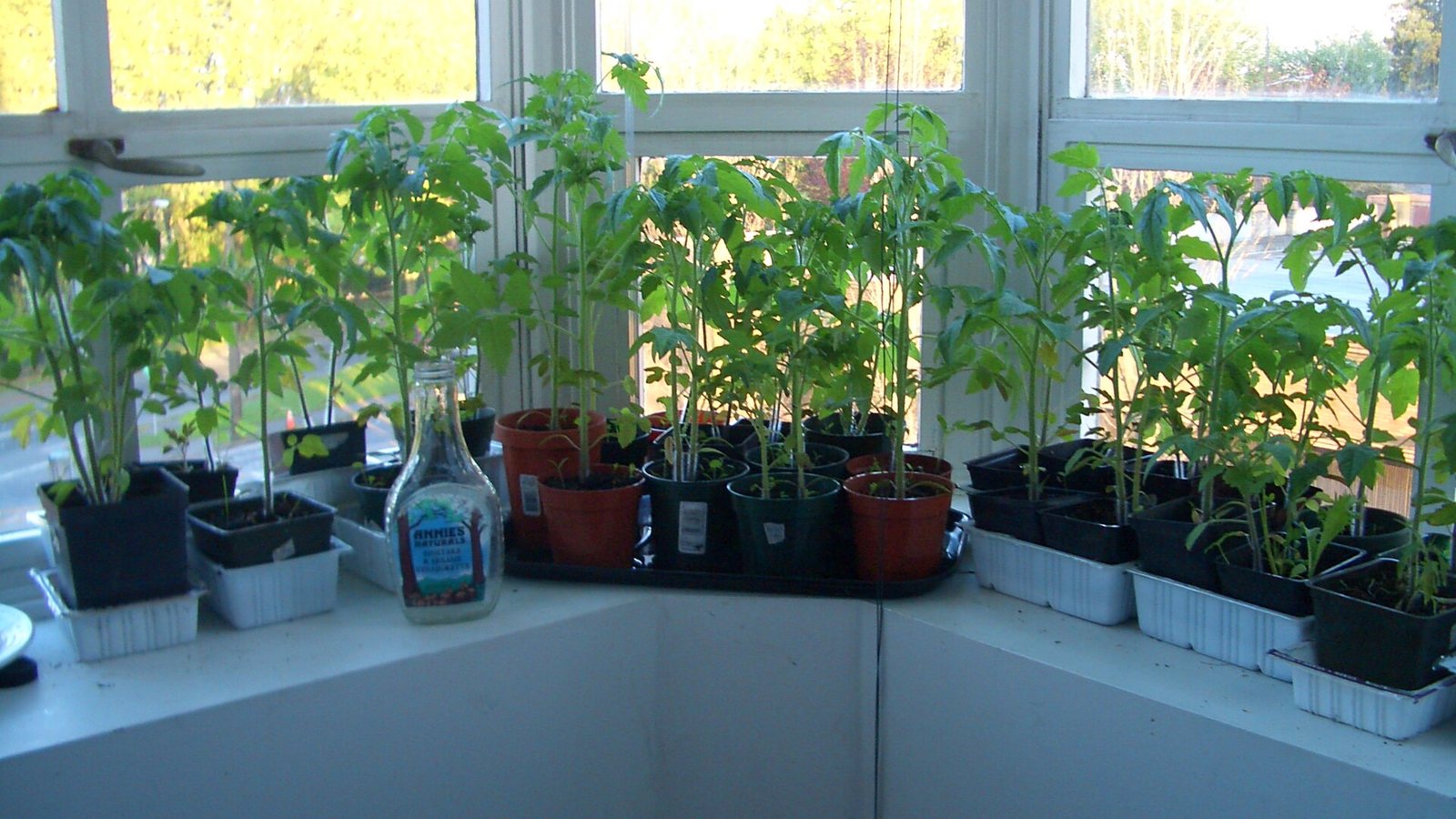
Leggy plants stretch for light, and stretched stems never shrink. How to fix the light first, then prune, pinch and propagate, with fixes by plant type.
Sources
- Clemson Cooperative Extension HGIC: Indoor Plants – Cleaning, Fertilizing, Containers & Light Requirements
- Iowa State University Extension: How to Care for Houseplants
- Penn State Extension: Repotting Houseplants
- Royal Horticultural Society: Overpotting
- Royal Horticultural Society: How to help a poorly houseplant
Written and fact-checked by the Flori team. Every guide cites horticultural sources such as the RHS, university extension services and the ASPCA, and is updated when the advice changes. How we write our guides
General plant care information. Plants vary; when a plant is valuable or a problem spreads quickly, consult a local nursery or plant specialist.