Soil Not Absorbing Water? How to Fix Hydrophobic Soil
Water running straight through or pooling on top of the pot? Learn why potting mix turns water-repellent and how to rewet it step by step.
 By Flori editorial team · Updated
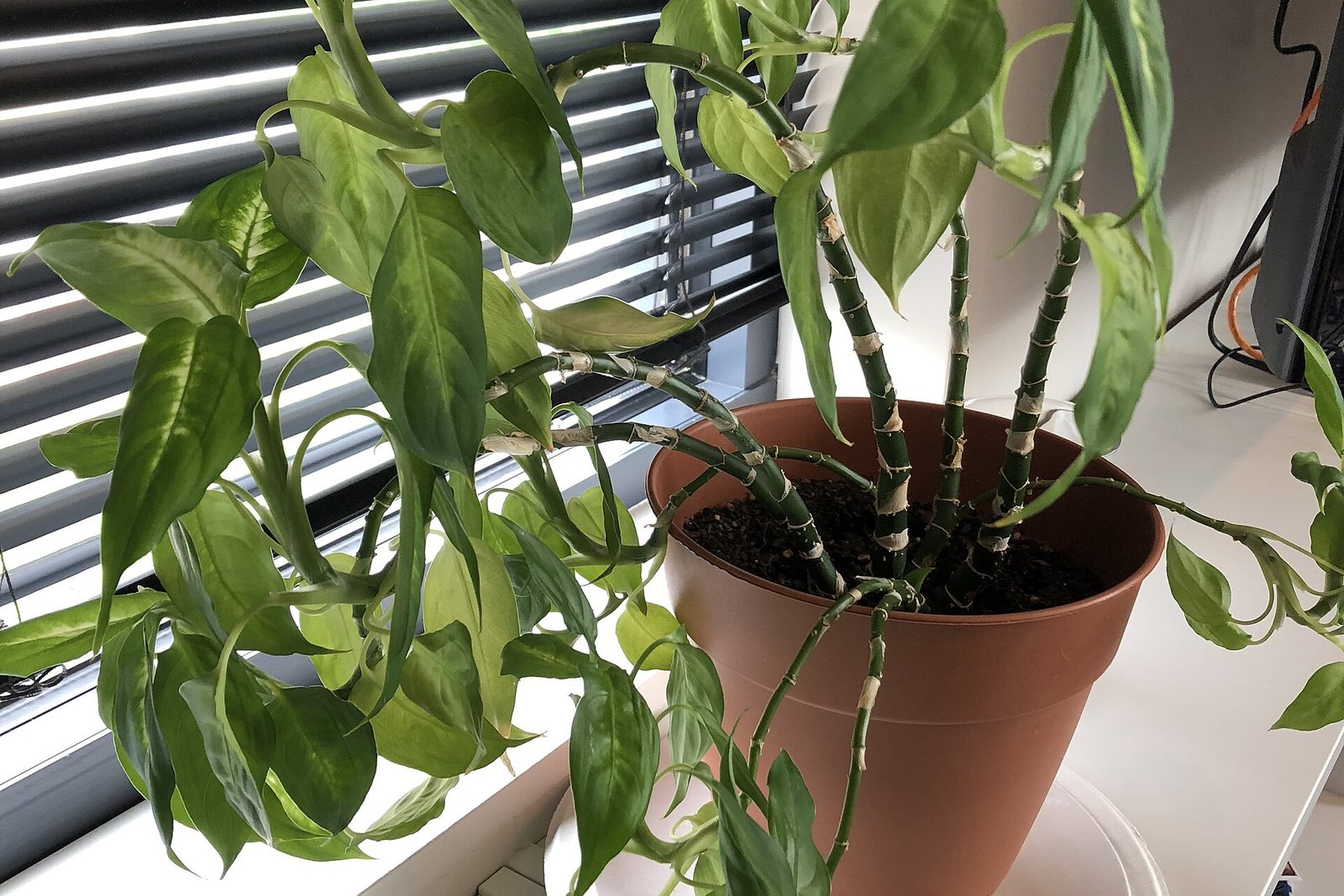
 Photo: Simon Q from United Kingdom · CC BY 2.0
Soil that sheds water has dried out so far that it repels it, or has shrunk away from the pot wall. Stand the pot in a sink or bucket of room-temperature water until the surface feels moist, lift it out and let it drain fully. Then water thoroughly and never let it go bone dry again.
Key takeaways
- Water running down the pot wall or pooling on top means the mix has dried out and shrunk away.
- Soak the whole pot in a few centimetres of room-temperature water, then lift it out once the surface is moist.
- Dried-out peat is hard to rewet and holds less water afterwards, so prevention beats cure.
- If water still races through, the plant may be root-bound and need repotting.
- Water thoroughly until it drains, and flush salts from the top every so often.
On this page8
Why is my soil not absorbing water?
When water beads up, pools on top or rushes straight out of the drainage holes, the potting mix has usually dried out so completely that it now repels water. Gardeners call this hydrophobic soil. The plant is not getting a drink even though you keep watering it, and it can wilt while the saucer fills up. The good news is that it is fixable in an afternoon. This guide shows how to confirm the problem, rewet the pot step by step and keep it from happening again, with a table to tell it apart from other causes.
One caution first: soil that will not take water and soil that is already soggy can look alike from above. Push a finger about 5 cm (2 in) into the mix, as University of Illinois Extension advises, before you decide the pot is dry.
How can you tell the soil is repelling water?
| What you see | Likely reason | What to do |
|---|---|---|
| Water runs down the inside of the pot and out of the holes within seconds | Dry mix has shrunk away from the pot wall | Soak the whole pot (see below) |
| Water pools on the surface and takes minutes to sink in | Dried-out peat, or a crust of salts | Soak, and scrape off any crust |
| Cracks across the surface, soil lifts as a block | Very dry root ball | Soak, then check for roots |
| Pot is light, plant is wilted, mix is dry below the surface | Underwatered | Rewet slowly, then water on a routine |
| Water drains instantly and the pot is full of roots | Root-bound; little mix left | Soak, then repot |
| Water sits on top, mix feels wet and smells sour | Waterlogged, not hydrophobic | Stop watering; see our root rot guide |
In a clay pot you can also tap the side. Clemson Cooperative Extension says a dull sound means moist soil and a hollow sound means the plant needs water.
Why does potting mix stop absorbing water?
Several things combine:
- Peat that has dried out completely. Clemson notes that peat which dries completely is difficult to rewet, and that it holds less water afterwards than it did before drying out.
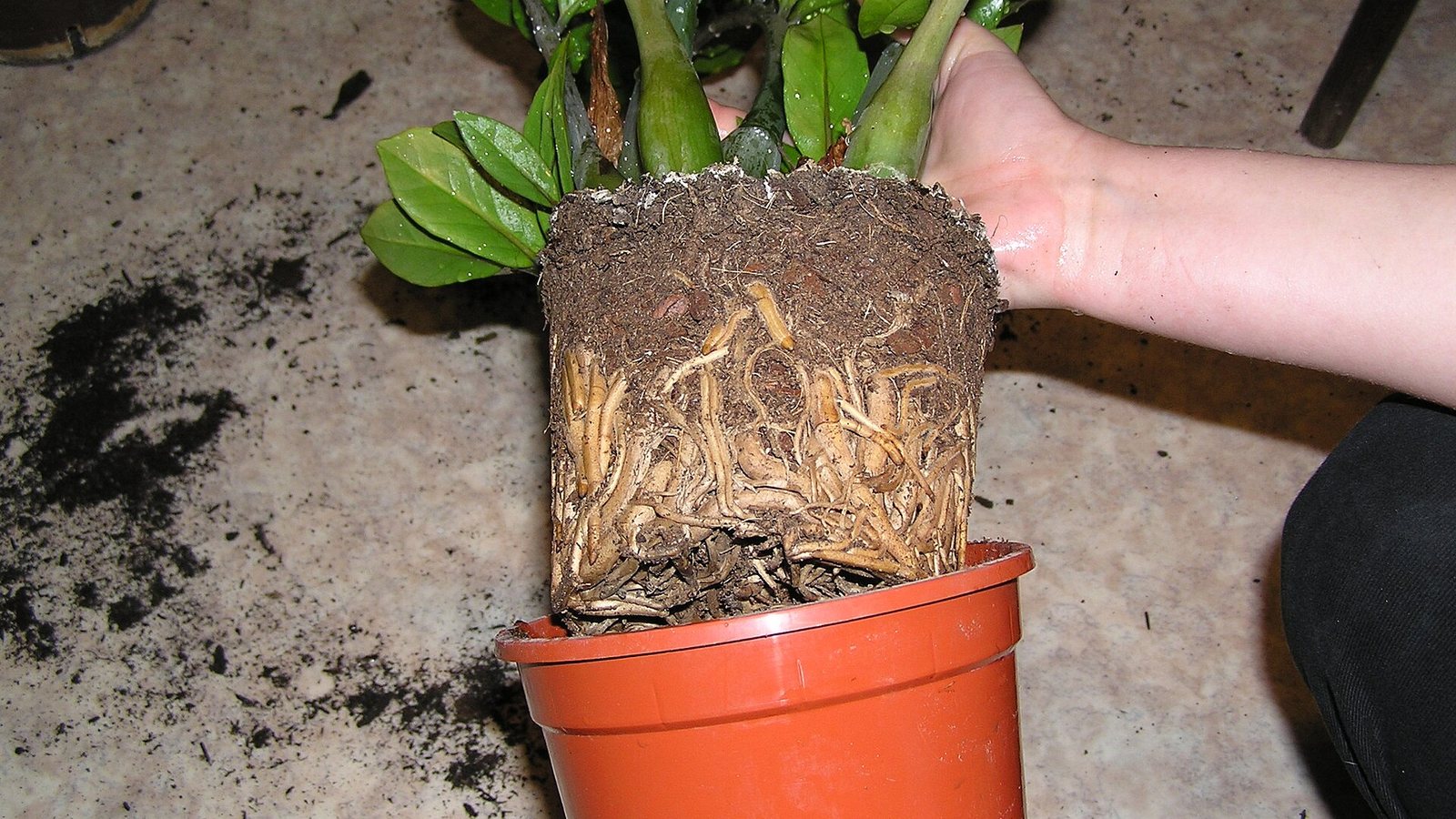
- Shrinkage and cracks. New Mexico State University Extension explains that cracks let water flow straight through without moistening the soil, and that soil pulling away from the side of the pot lets water run down the gap without wetting it. Colorado State University PlantTalk says the same: water runs down along the side of the pot and does not soak in.
- Salt crust. Colorado State describes a whitish crust on the soil surface or the pot rim as a sign of salt build-up from tap water and fertilizer.
- A root ball with more roots than mix. When roots fill the pot there is little mix left to hold water.
If you only ever water a little at a time, the lower half of the root ball may stay dry for months while the top looks damp. Check how deep the water really goes.
How do you rewet dry soil?
- Check that it is really dry. Push a finger into the mix; the pot should also feel light when you lift it.
- Fill a sink, bucket or deep tray with a few centimetres of room-temperature water. Illinois Extension recommends room-temperature water for houseplants.
- Stand the pot in it. Clemson's advice for very dry mix that is hard to rewet is to place the pot in a sink or a bucket of water, or to water once and then again half an hour later.
- Watch the surface. Illinois says to remove the pot once the moisture has wicked upward through the soil, and Clemson says to remove it when the surface is moist.
- Lift it out and let it drain fully. Empty the saucer so the pot does not sit in runoff. Illinois warns against letting a pot sit in a saucer of water.
- Check again an hour later. Press a finger into the mix; it should feel evenly moist below the surface, as Colorado State advises.
This is the same technique as bottom watering, used here as a rescue rather than a routine. The pot may need two soaks if the root ball was bone dry. A very large pot is awkward to lift: water it slowly from the top in small rounds, letting each round soak in, until water drains from the base.
What if water still runs straight through?
If water still races past the root ball, the plant may have outgrown its pot. Roots growing through the drainage holes, roots circling the root ball and growth that has slowed despite regular feeding are signs that repotting is due. Slide the plant out gently. If it is a dense mat of roots with little mix visible, move it up one size, no more, using fresh mix. Our root-bound plants guide and repotting step by step walk through it.
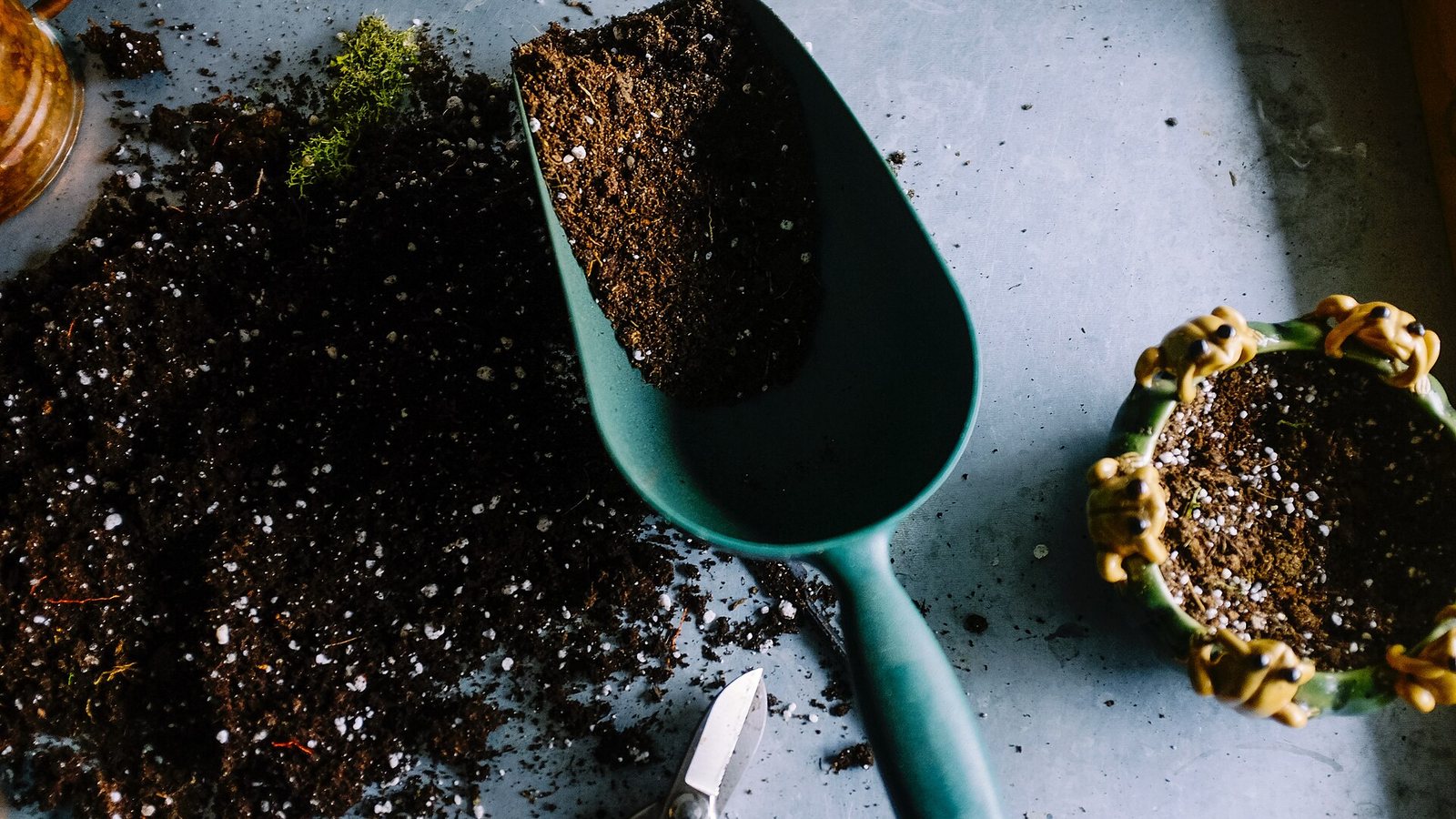
If the mix itself has turned to a dense, dusty brick after a few years, repotting into fresh mix is the lasting fix. Blends with a good share of coarse material, such as bark or perlite, stay open longer; see best soil mix for houseplants.
What about the white crust on top?
Colorado State PlantTalk gives a clear method: scrape off the white layer and about 1 to 2.5 cm (½ to 1 in) of the top mix, taking care not to damage roots. Put the pot in a sink with the drainage holes clear and fill it to the top with tepid tap water a couple of times, letting it drain well between rinses. Scrape salt residue off the outside of the pot and wash the saucer, then top up with fresh mix. In severe cases the soil may need to be replaced completely. Salt build-up also causes brown leaf tips.
How do you stop soil turning water-repellent?
- Do not let it go bone dry. Check the mix with a finger every few days instead of waiting for the plant to wilt.
- Water thoroughly. Illinois and Clemson both say to soak the mix and let the excess drain, rather than giving a little at a time; Clemson says water until it drains from the base, which also flushes out excess salts.
- Empty the saucer after watering.
- Do not rely on bottom watering alone. Colorado State recommends watering from the top now and then to flush salts.
- Repot when roots fill the pot, usually after a year or two for fast growers. Our how often to water houseplants guide covers rhythm through the seasons.
If you forget, Flori's care reminders can nudge you to check your plants on the rhythm you set, and Dr. Flori can ask follow-up questions if a plant is wilting and you cannot tell why. A reminder is only a prompt; the finger test still decides.
Common mistakes with dry soil
- Pouring more and more water on top of a pot that is already shedding it.
- Soaking a pot for hours or leaving it standing in water. Take it out once the surface is moist.
- Assuming a damp surface means a wet pot.
- Using the saucer as the only way to water, which leaves salts behind.
- Repotting into a much bigger pot, which holds water the roots cannot use.
Frequently asked questions
Why does water run straight through my potted plant?
Dry mix shrinks away from the pot wall and cracks, so water runs down the gap and out of the holes without wetting the soil. Soak the pot in a sink or bucket until the surface is moist.
How long should I soak a very dry pot?
Until the surface of the mix feels moist, which can take from several minutes to longer for a big, bone-dry pot. Check often, lift it out and let it drain; do not leave it standing in water for hours.
Can I just water more from the top?
A single heavy pour often runs off. Clemson Cooperative Extension suggests watering once and then again about half an hour later, or soaking the pot in a sink or bucket.
How do I stop potting mix drying out and repelling water?
Check the mix with a finger every few days, water until it drains from the base, empty the saucer, and repot into fresh mix when roots fill the pot.
How to bottom water houseplants step by step, how long to leave pots in water, which plants benefit and why you still need to flush salts from the top.
Sources
- Clemson Cooperative Extension HGIC: Indoor Plants: Watering
- University of Illinois Extension: Watering houseplants
- New Mexico State University Extension: Southwest Yard & Garden (watering potted plants from below)
- Colorado State University Extension PlantTalk: Houseplants: Watering
- Colorado State University Extension (PlantTalk): Leaching Salts from Potting Mixes
Written and fact-checked by the Flori team. Every guide cites horticultural sources such as the RHS, university extension services and the ASPCA, and is updated when the advice changes. How we write our guides
General plant care information. Plants vary; when a plant is valuable or a problem spreads quickly, consult a local nursery or plant specialist.