Variegated Plant Turning Green: Why and What to Do
A variegated plant going green means low light or reversion. Cause table, how much light it needs, how to prune green shoots and what cannot be undone.
 By Flori editorial team · Updated
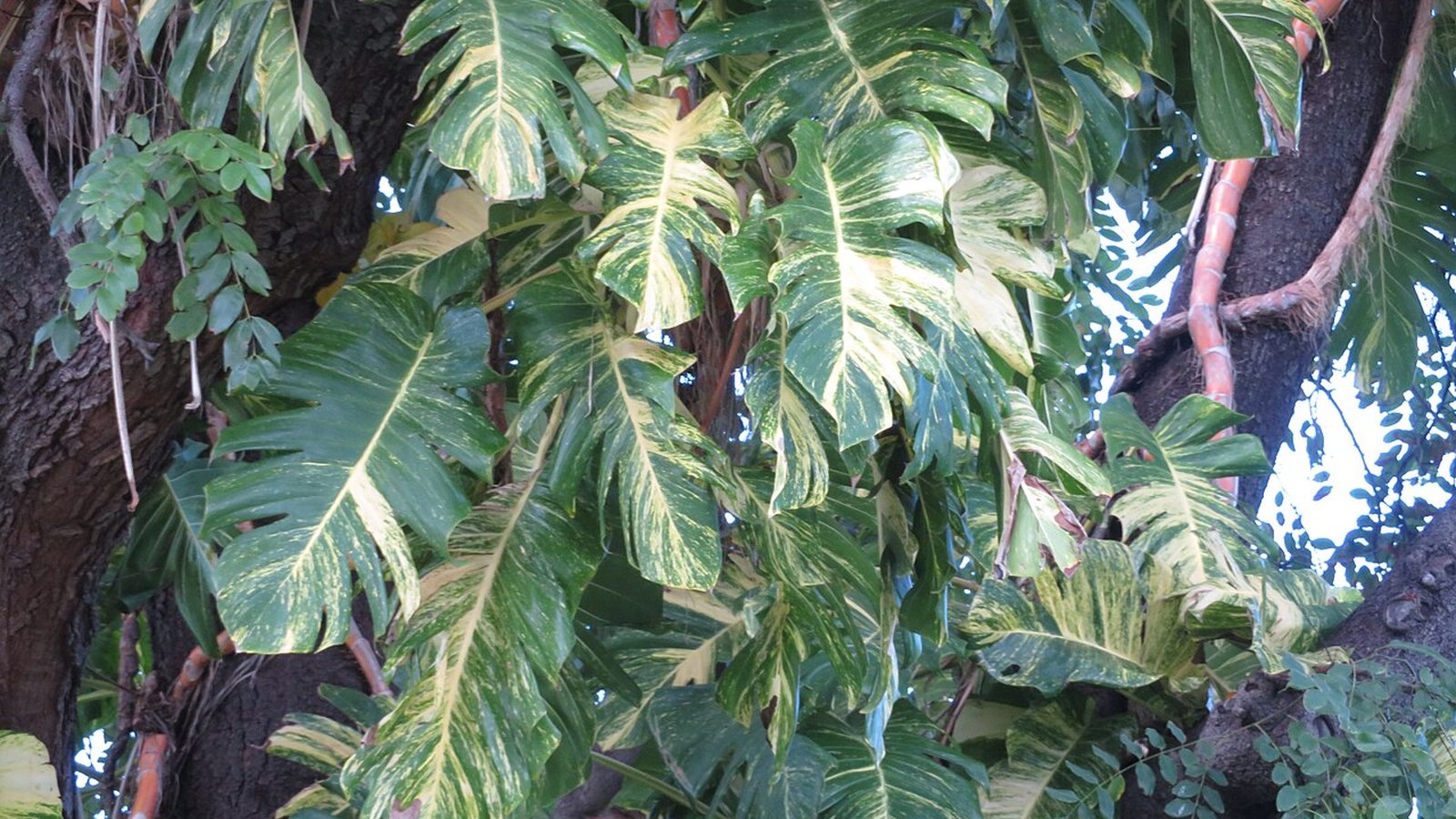 Photo: Forest and Kim Starr · CC BY 2.0
A variegated plant turns green because of too little light or reversion, where unstable patterned tissue throws plain green shoots. Move it to brighter indirect light so new leaves improve, and prune green shoots out completely. Leaves that have already turned green will not regain their pattern.
Key takeaways
- Low light is the usual cause when a whole plant greens up; the RHS says it is often the reason once reversion is ruled out.
- One solid green shoot among patterned ones is reversion: cut it out completely, back to patterned growth.
- Moving to brighter light helps new leaves only; existing green leaves stay green (Clemson).
- Variegation can fade seasonally and waterlogging can reduce it (RHS).
- Pothos and English ivy are toxic to cats and dogs (ASPCA): clear clippings away.
On this page8
- Why is my variegated plant turning green?
- Is it low light, reversion or something else?
- How much light does a variegated plant need?
- How do you get the variegation back?
- How do you prune a reverted shoot?
- Which plants revert most, and which cannot be fixed?
- What is the quick checklist to keep the pattern?
- What if a bright window is not possible?
Why is my variegated plant turning green?
Almost always for one of two reasons: not enough light, or reversion, where the plant produces plain green shoots because its patterned form is a mutation that is not fully stable. The RHS says that where variegation is permanently lost and reversion is ruled out, inadequate light is often the cause. This guide helps you tell which one you have, fix it, and know what cannot be undone.
The myth to drop: a green leaf is not the plant "dying" or "getting sick". Green is the plant's default. Variegated tissue has less chlorophyll, so the plant works harder to make food, and a green shoot or a green leaf is simply a more efficient way to do it.
Is it low light, reversion or something else?
| What you see | Most likely cause | What to do |
|---|---|---|
| Whole plant: new leaves are paler in pattern or plain green | Not enough light. Clemson: "Green or reverting leaves indicate that the plant is not receiving enough light" | Move to brighter indirect light; only new leaves can improve |
| One shoot or branch is solid green, the rest is patterned | Reversion. The RHS says green shoots are more vigorous and can take over | Prune the green shoot out completely, back to wood or a node that still carries variegated leaves |
| Pattern fades in late summer, returns later | Seasonal change. The RHS says variegation may vary during the year and is often less apparent in late summer | Nothing, apart from checking light |
| Colour loss after the soil stayed wet | Waterlogging. The RHS says it can reduce variegation or leaf colour | Improve drainage and let the compost dry a little between waterings |
| Leaves that were green from the start of a cutting | The cutting came from a green or reverted stem | Take cuttings only from stems that show the pattern you want |
How much light does a variegated plant need?
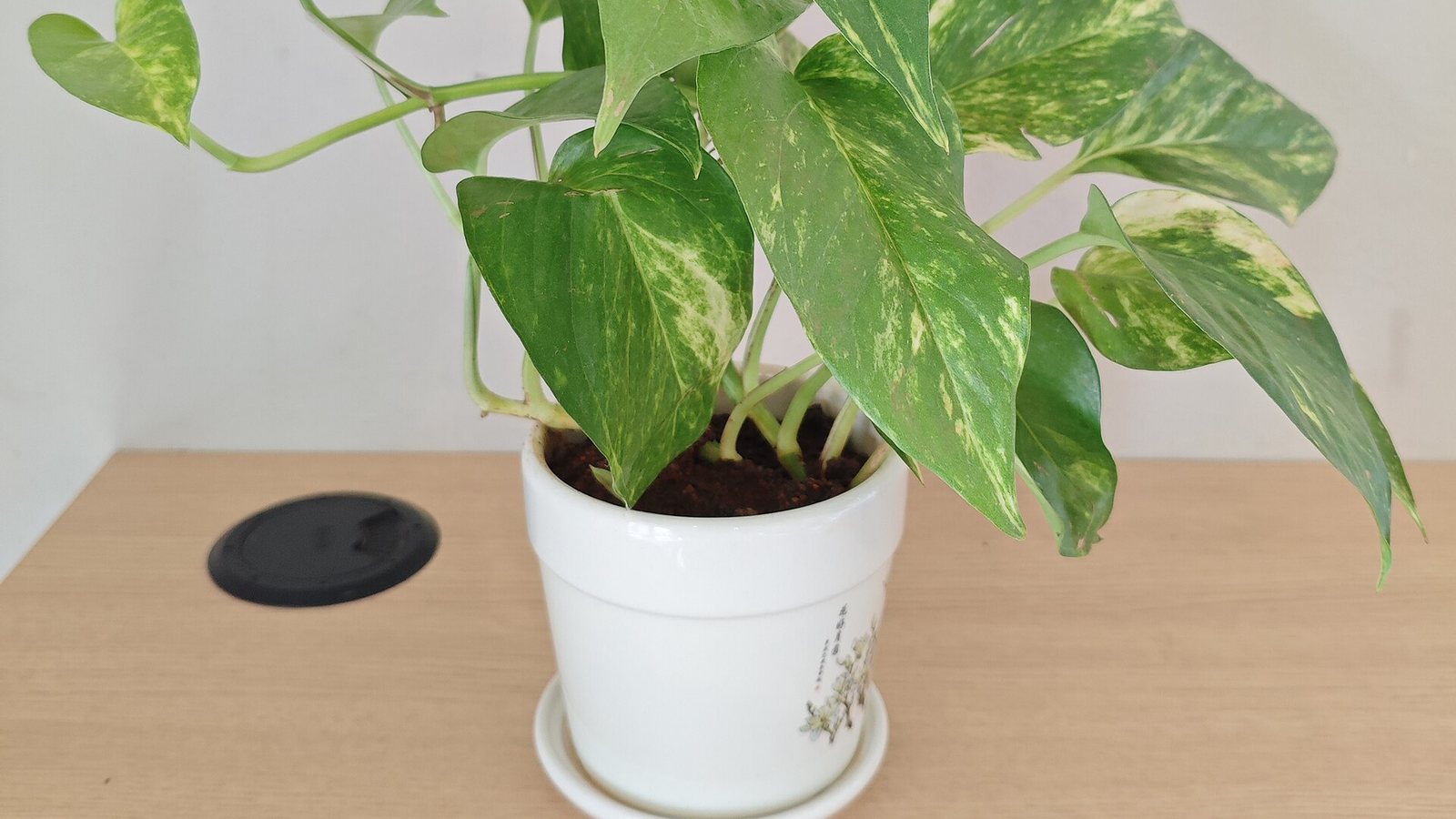
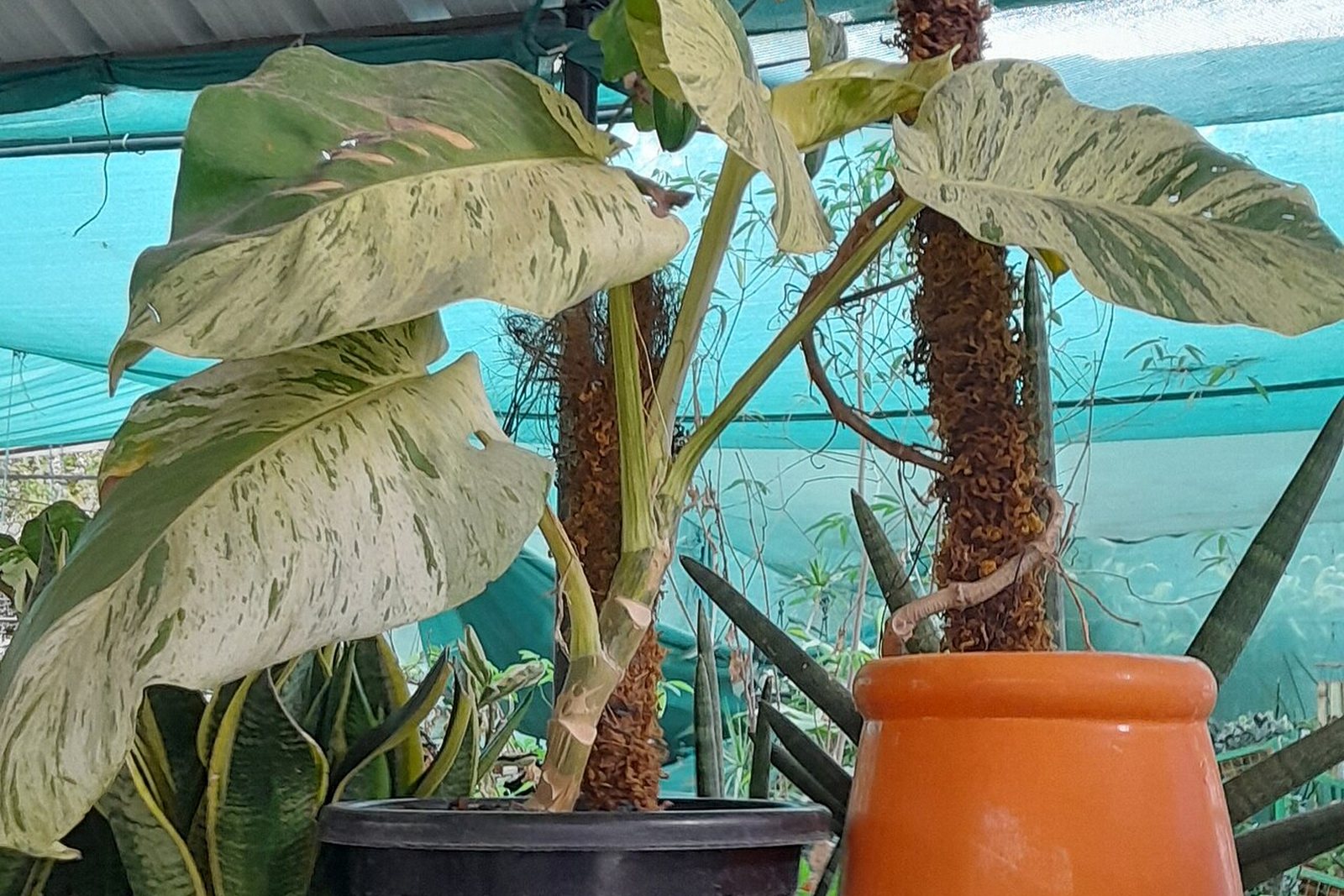
More than its plain green cousin, because variegated tissue carries less chlorophyll. Penn State says pothos survives in low light for quite some time but will eventually lose its desirable leaf qualities: variegation or brightness of foliage, depending on the cultivar. Clemson recommends an east-facing window, or a position a few feet from a west-facing one, for variegated Syngonium. Penn State advises "moderate to bright light" for pothos and no direct sun, which causes yellowing of leaves.
These window directions are for the Northern Hemisphere; in the Southern Hemisphere swap north and south. Our guide on best plants by window direction explains this in full, and the light levels guide gives the numbers.
How do you get the variegation back?
- Move the plant to brighter light. Clemson says moving the plant to a brighter location will encourage the variegation to return on new growth. The existing green leaves will not change, so judge the result by the next leaves.
- Prune out reverted shoots. The RHS says to prune them out completely or cut them back into wood that still carries variegated leaves.
- Be quick. A green shoot is more vigorous than a variegated one, so leaving it means it gradually takes over.
- Do not make heavy cuts on a plant that is already weak. Cut the green shoot, not the whole plant, and keep a few patterned stems.
- Check watering. Keep the compost from staying wet (RHS).
How do you prune a reverted shoot?
Use clean, sharp scissors or secateurs. Find where the green shoot starts and cut it right back to a point that still carries patterned leaves, or to the base for a trailing plant. Trimming only the green tip leaves the green stem behind, and it will keep growing. Our guide on pruning houseplants covers the tools and the cuts.
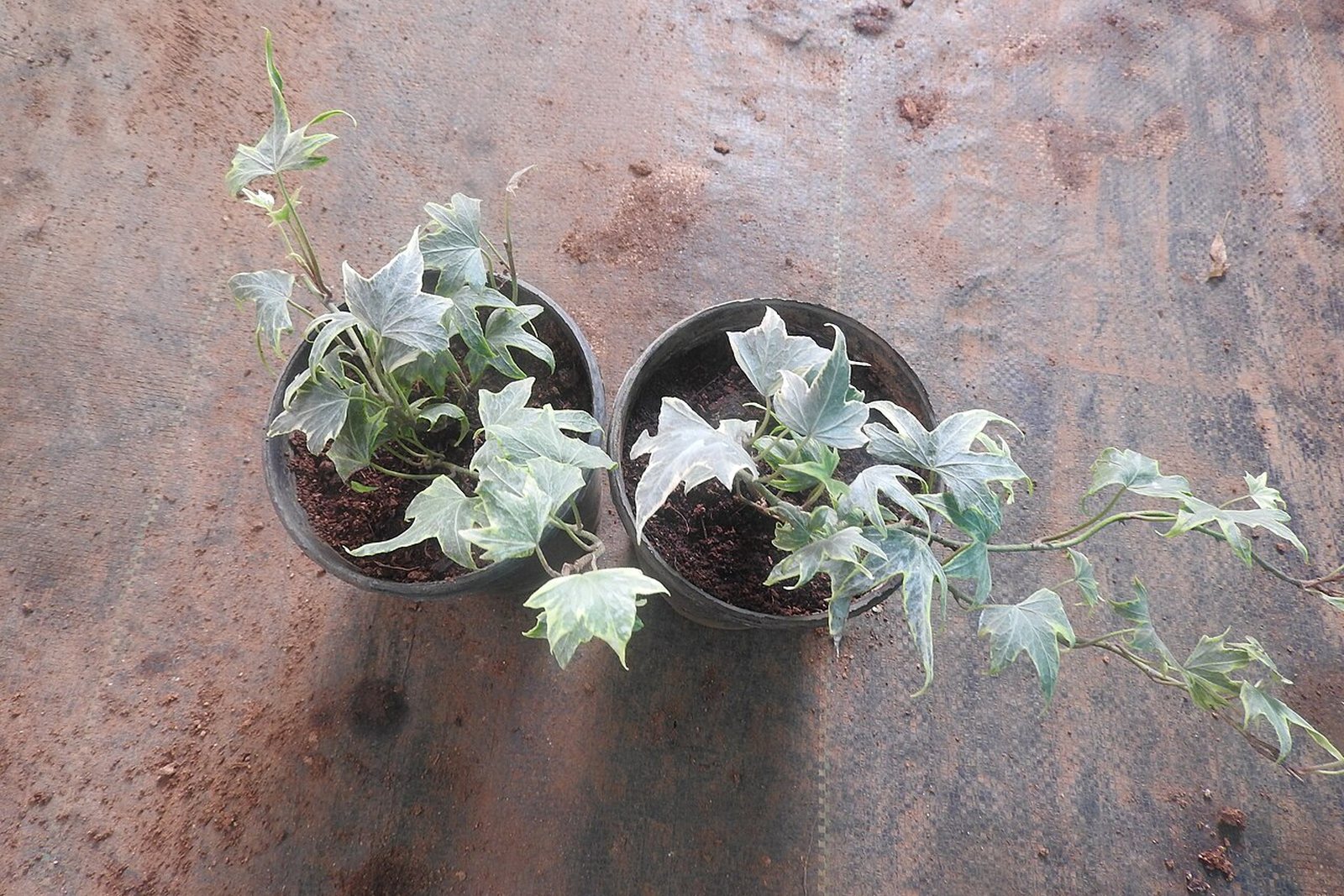
Wear gloves with plants that irritate skin or are toxic. The ASPCA lists pothos (devil's ivy, calcium oxalates) and English ivy (Hedera helix, saponins) as toxic to cats and dogs, so clear the clippings away and keep them from pets.
Which plants revert most, and which cannot be fixed?
The RHS says reversion most often affects variegated shrubs and trees, and that variegated plants are usually selected from a sport or mutation of a plant that is pure green. They are kept going by cuttings, grafting or division, but the mutation is not always stable. The RHS also says very few variegated plants come true from seed, and that reversion usually happens in spring or summer, often in response to temperature changes. For houseplants, the picture is mostly about light: Clemson and Penn State describe it for Syngonium and pothos.
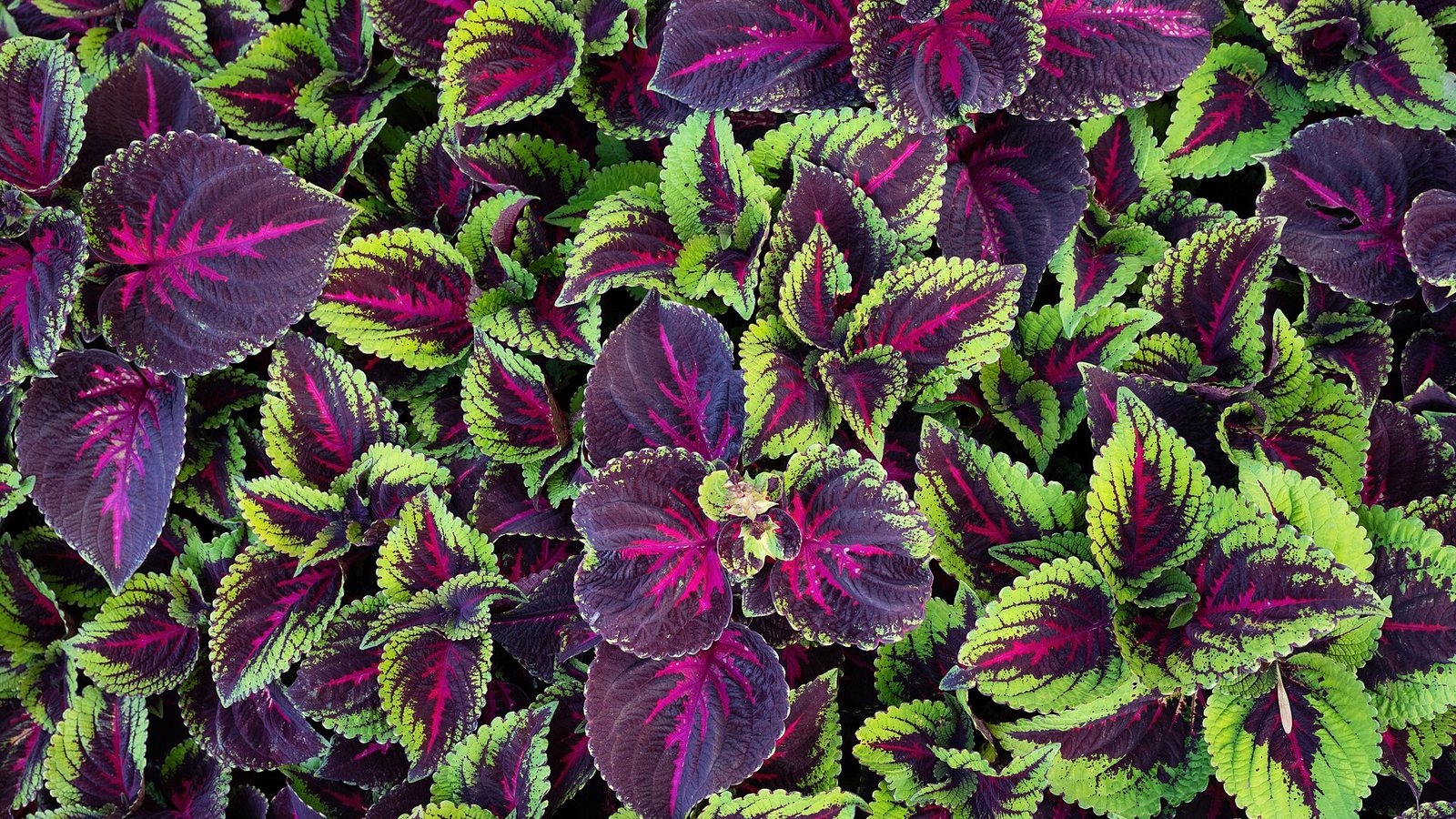
Some variegation cannot be reversed. A leaf that has already turned green will stay green. A plant that has fully reverted to green will not become variegated again from light alone; the RHS describes removing the green shoots, not recovering the old tissue. If a plant is fully green, you have a healthy green plant, and you can enjoy it that way or buy a new patterned one. If you want one, colourful foliage houseplants lists plants that hold colour in ordinary rooms.
What is the quick checklist to keep the pattern?
- Light: bright, indirect, steady. Penn State's pothos advice is moderate to bright light and no direct sun.
- Look at the newest leaves each month: they show what the light is doing now, while old leaves show last season's.
- Cut green shoots early, fully, back to patterned growth (RHS).
- Take cuttings from patterned stems only. The mutation is not always stable (RHS), so a green stem is more likely to give green growth.
- Keep the compost from staying wet (RHS).
- Do not panic in late summer: variegation is often less apparent then (RHS).
What if a bright window is not possible?
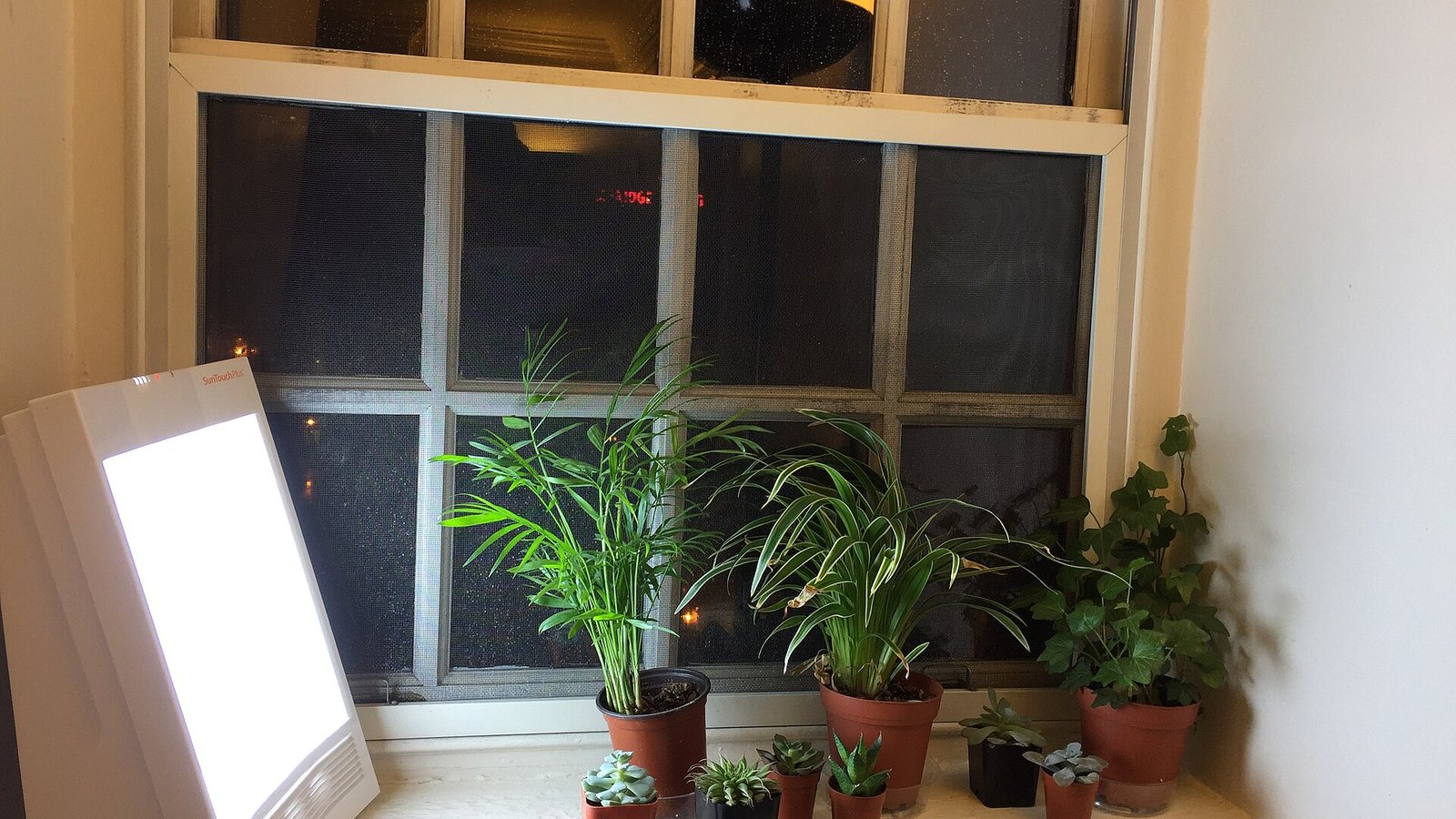
Use a grow light. A grow light can supply the light a dim room cannot; see grow lights for houseplants for how to set one up. To check whether the spot is bright enough, Flori's Smart light meter measures the light in a spot, and its care profile for the plant shows the light it wants. You can also set a reminder in Flori to review the plant each season, and to take a progress photo of new leaves, which is the clearest way to see whether the pattern is returning.
Frequently asked questions
Will my variegated plant get its colour back?
New growth can, if the cause is low light: Clemson says moving to a brighter place encourages variegation to return on new growth. Leaves that are already green stay green.
What is reversion in variegated plants?
The RHS says variegated plants come from a mutation of a green plant that is not always stable, so plain green shoots can appear, and they are more vigorous.
Should I cut off the green leaves on a variegated plant?
Cut off whole green shoots, not single leaves. The RHS says to prune reverted shoots out completely or back into wood that still has variegated leaves.
Can too much water make a variegated plant go green?
The RHS says waterlogging may reduce variegation or leaf colour. Improve drainage and avoid soggy compost.
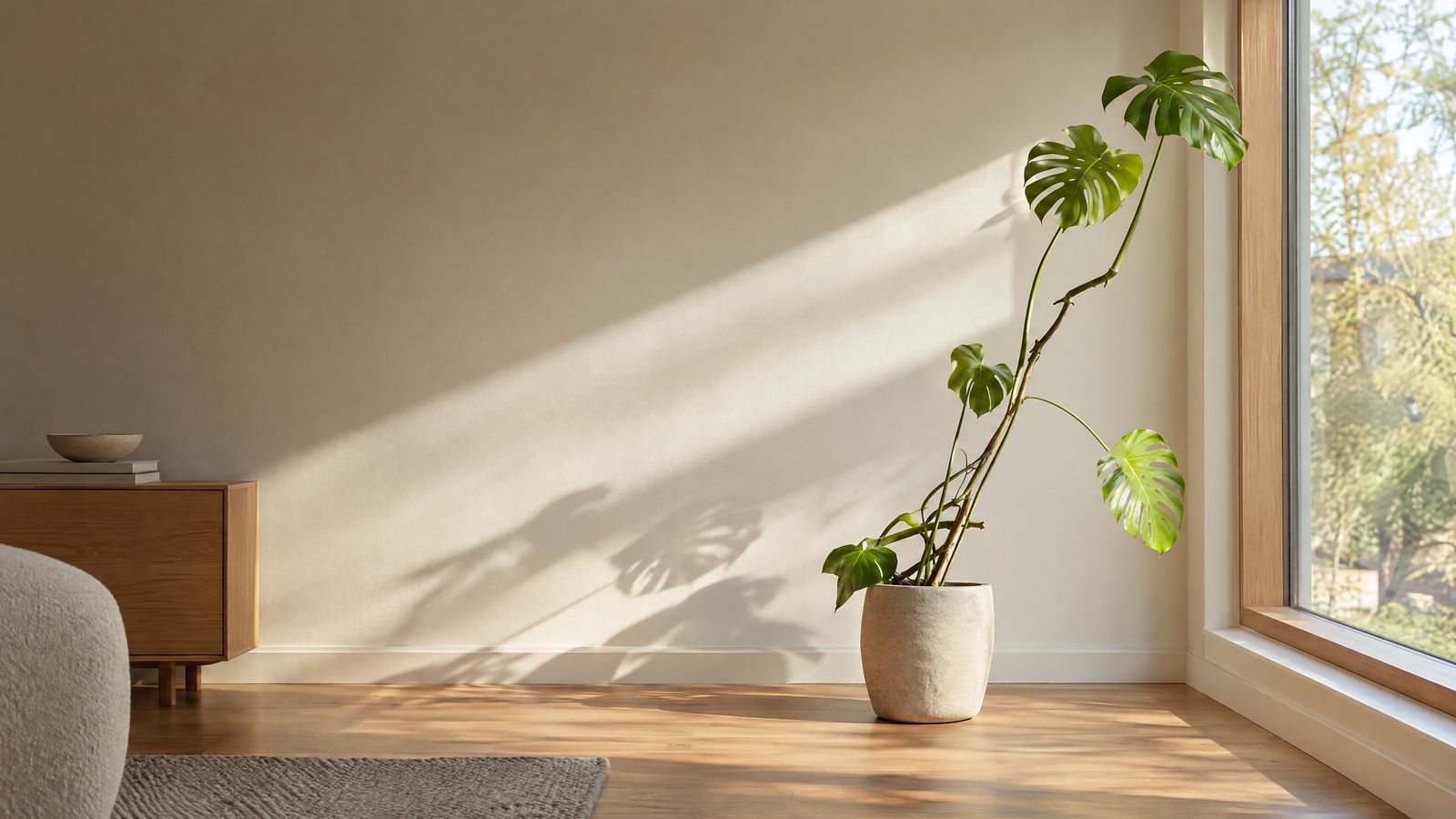
Leggy stems, leaning, small pale leaves and no flowers mean your plant needs more light. Learn how much light houseplants need and how to fix it.
Sources
Written and fact-checked by the Flori team. Every guide cites horticultural sources such as the RHS, university extension services and the ASPCA, and is updated when the advice changes. How we write our guides
General plant care information. Plants vary; when a plant is valuable or a problem spreads quickly, consult a local nursery or plant specialist.