Houseplants That Flower in Winter
Six houseplants that flower in winter, what triggers each bloom, how long it lasts and which are safe for cats and dogs, in one table.
 By Flori editorial team · Updated
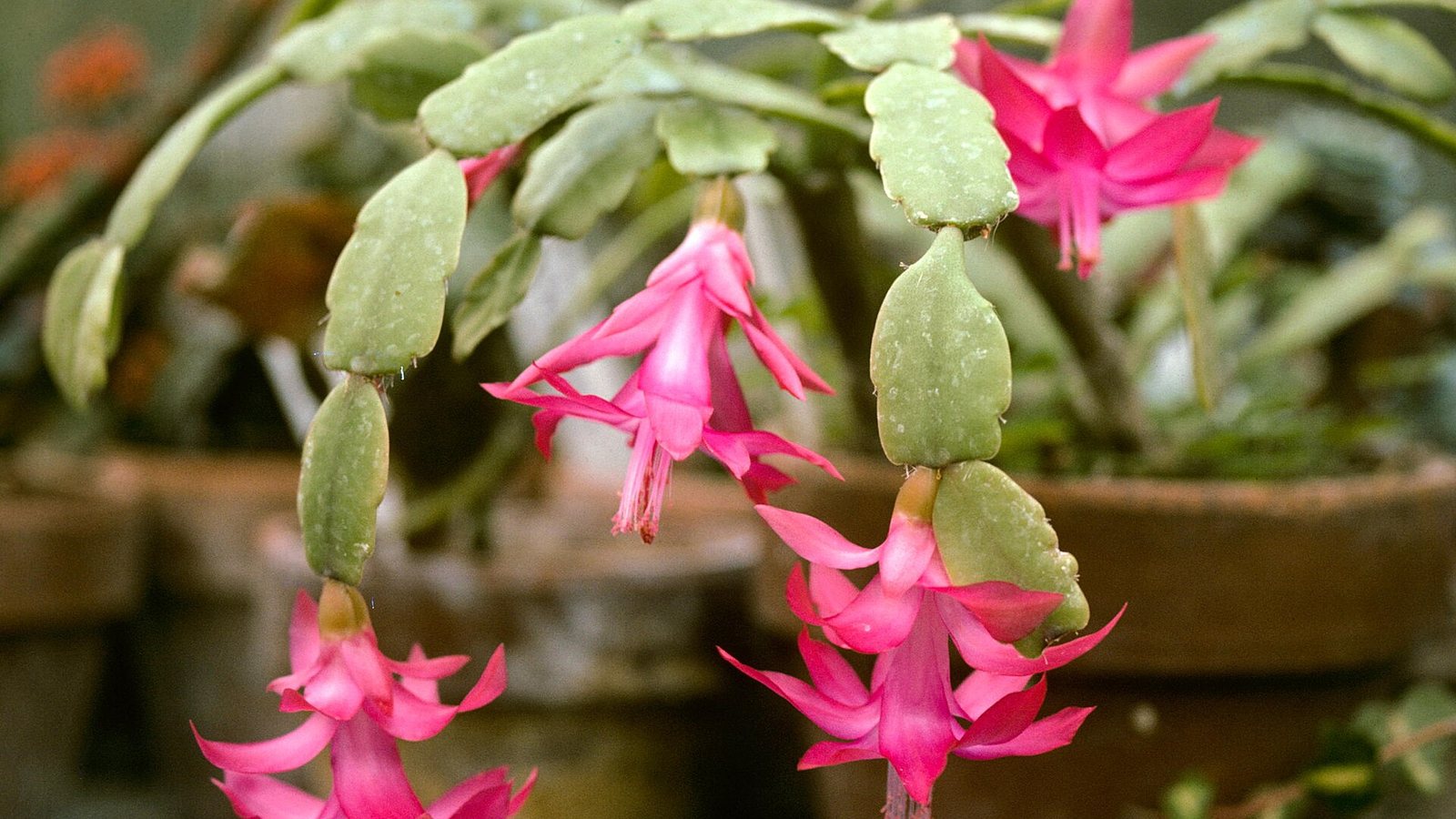
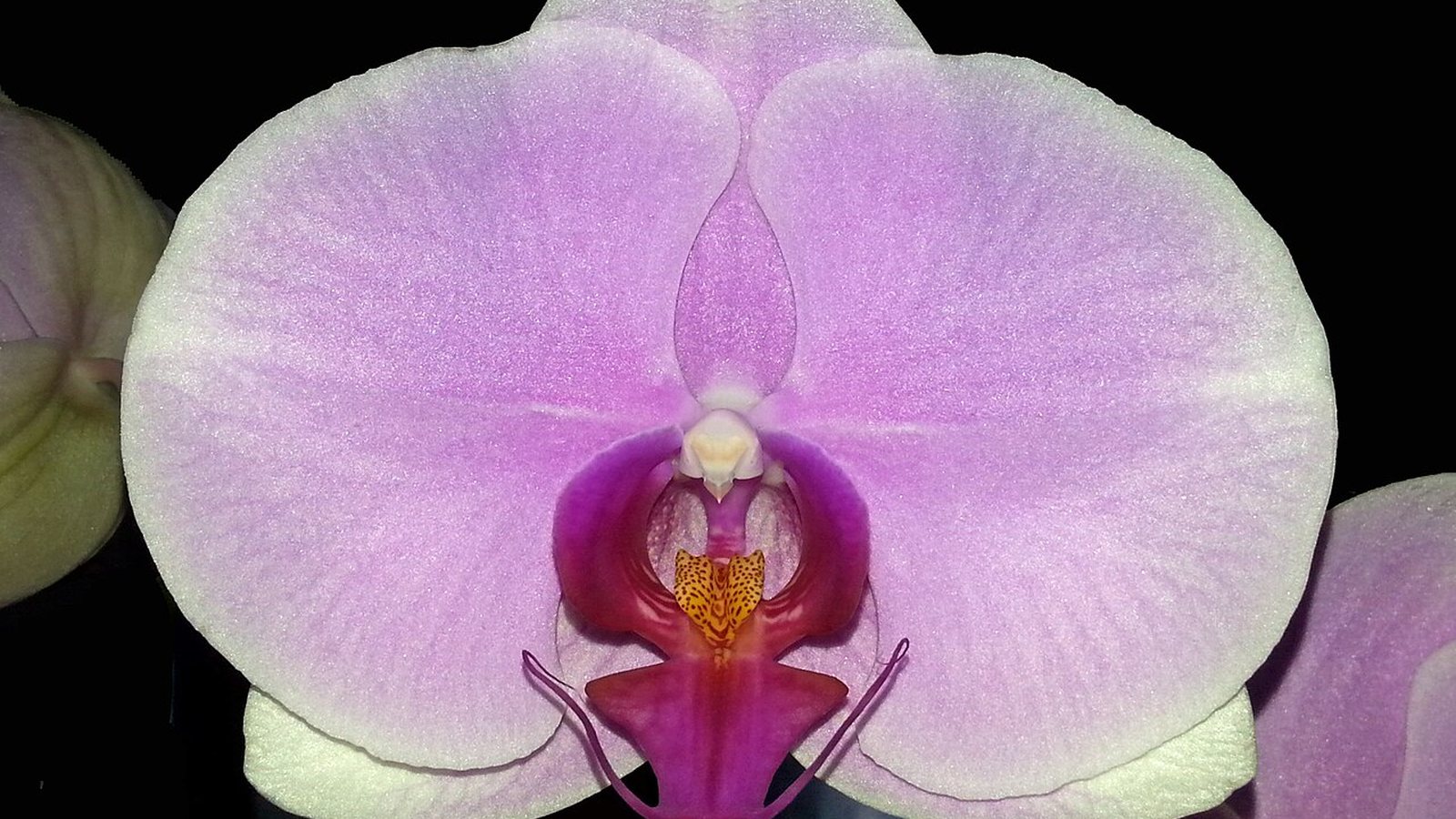 Photo: Ellin Beltz · CC BY-SA 4.0
Six houseplants flower reliably in winter: moth orchid, Christmas cactus, amaryllis, paperwhite narcissus, cyclamen and kalanchoe. Orchid and cyclamen are bought in bloom, the bulbs are planted for a quick show, and Christmas cactus and kalanchoe need long dark nights. Only orchid and Christmas cactus are non-toxic to pets.
Key takeaways
- Moth orchid is the longest-lasting winter bloomer and, with Christmas cactus, is non-toxic to cats and dogs.
- Christmas cactus needs at least 12 hours of darkness to bud, so keep it away from lamps at night.
- Amaryllis flowers 4 to 8 weeks after planting, but it and paperwhites are toxic to pets.
- Cyclamen lasts longest in a cool room, with days of 15 to 18 °C (60 to 65 °F).
- Kalanchoe is toxic to pets and sets buds only after long dark nights.
On this page9
- Which houseplants flower in winter?
- The winter bloomers at a glance
- Which ones are safe if you have a cat or dog?
- Moth orchid: the longest-lasting bloomer
- Christmas cactus: it needs dark nights to bud
- Amaryllis and paperwhites: flowers from a bulb in weeks
- Cyclamen: cool rooms make it last
- What about kalanchoe?
- How do you choose one for your home?
Which houseplants flower in winter?
Six dependable ones: moth orchid, Christmas cactus, amaryllis, paperwhite narcissus, florist's cyclamen and kalanchoe. They bloom in the darkest months for different reasons, and that is the useful part: some you buy already in bud, some you start from a bulb in a few weeks, and some only flower if you give them long nights. The table below lets you pick by what you can actually provide, and by whether a cat or dog shares your home. Our general flowering houseplants list covers the year-round bloomers, so this one stays with winter.
The winter bloomers at a glance
| Plant | How you get flowers | What it needs | Cats and dogs (ASPCA) |
|---|---|---|---|
| Moth orchid (Phalaenopsis) | Buy in flower; stems can appear at any time of year (RHS) | Bright winter light; night 16–19 °C (61–66 °F) | Non-toxic |
| Christmas cactus (Schlumbergera) | Short days and cool nights; at least 12 hours of darkness (UF/IFAS) | Bright, indirect light; no lamp at night | Non-toxic |
| Amaryllis (Hippeastrum) | Plant a bulb; flowers 4–8 weeks later (Clemson) | At least 4 hours of direct sun; about 21–24 °C (70–75 °F) | Toxic |
| Paperwhite (Narcissus) | Plant a bulb; quick, one-time show | Bright light; see our bulb guide | Toxic |
| Cyclamen (Cyclamen persicum) | Buy in flower; blooms last up to 4 weeks (Clemson) | Day 15–18 °C (60–65 °F), night about 10 °C (50 °F) | Toxic |
| Kalanchoe (Kalanchoe blossfeldiana) | Needs long dark nights to set buds | Bright days; see our flowering list | Toxic |
Poinsettia is the other famous winter plant, but its colour comes from bracts rather than true flowers; our Christmas plants and pets guide compares it with the rest.
Which ones are safe if you have a cat or dog?
Only two of the six: the moth orchid and the Christmas cactus. The ASPCA lists the Phalaenopsis orchid and the Christmas cactus (Schlumbergera bridgesii) as non-toxic to dogs and cats. It lists amaryllis as toxic, with vomiting, drooling, diarrhoea, abdominal pain, tremors and loss of appetite among the signs. Narcissus, which includes paperwhites, is toxic too, and the page says the bulbs are the most poisonous part. Cyclamen is toxic, and the tubers are the dangerous part in large amounts. Kalanchoe is toxic, mainly with vomiting and diarrhoea, and rarely an abnormal heart rhythm. If a pet eats any of these, call your vet or ASPCA Animal Poison Control straight away. In a home with a plant-chewing cat, the orchid or the Christmas cactus is the safe pick, and the bulb plants belong on a shelf the pet cannot reach.
Moth orchid: the longest-lasting bloomer
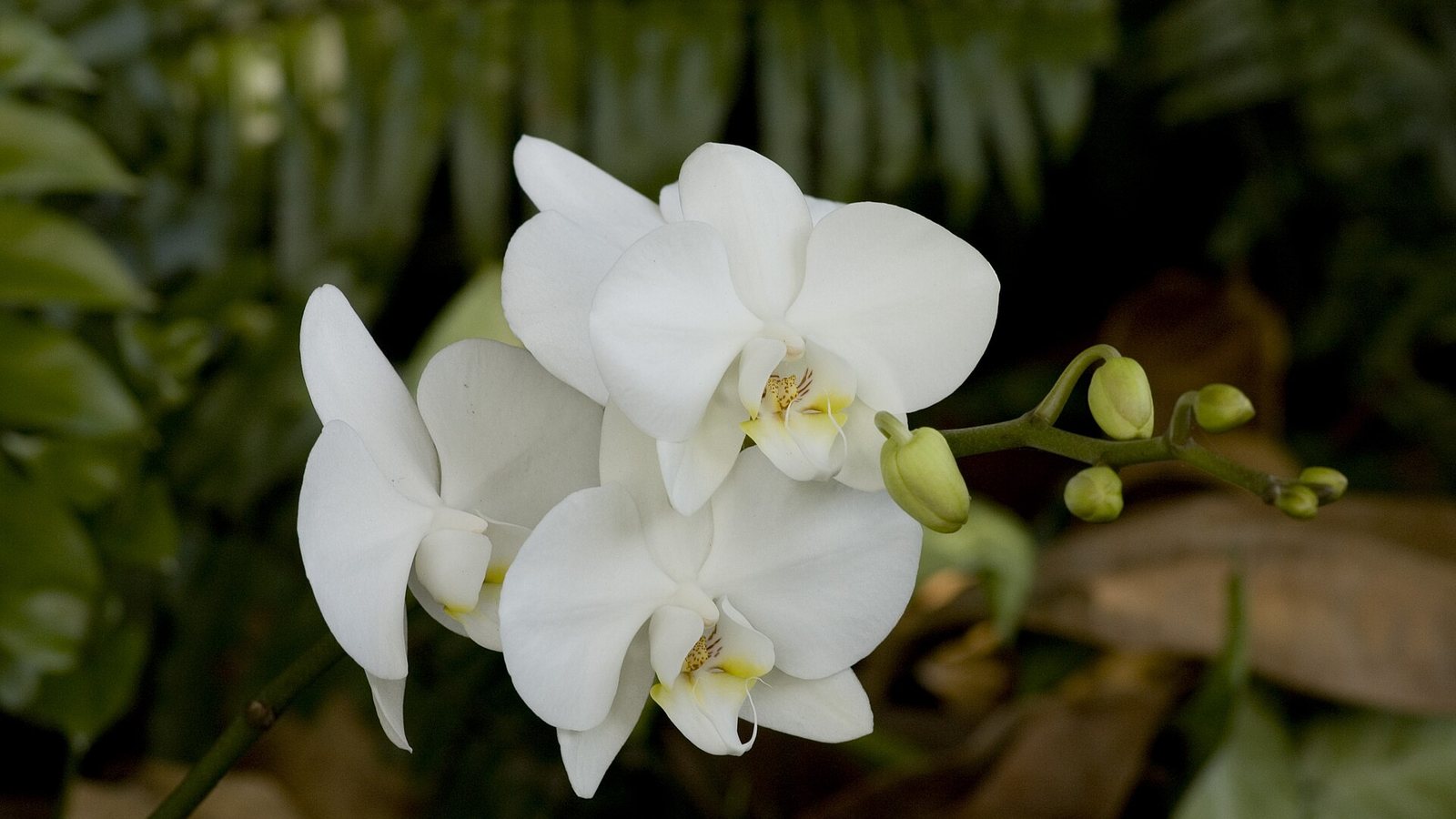
If you only want one plant that is in flower through winter, buy a Phalaenopsis in bloom. The RHS says flower stems can appear at any time of year and that blooms last for several months. Bright winter light encourages flowering, so an east- or west-facing sill works well. Keep it warm, with days of 19–30 °C (66–86 °F) and nights of 16–19 °C (61–66 °F), and water with tepid water, never leaving the roots standing in water. The RHS suggests watering weekly in the growing season and slightly less in winter, never letting the roots dry out completely. If an older plant stops flowering, the RHS suggests cooling it by about 5 °C (8 °F) for a month or so. Our guide on why an orchid is not blooming goes further.
Christmas cactus: it needs dark nights to bud
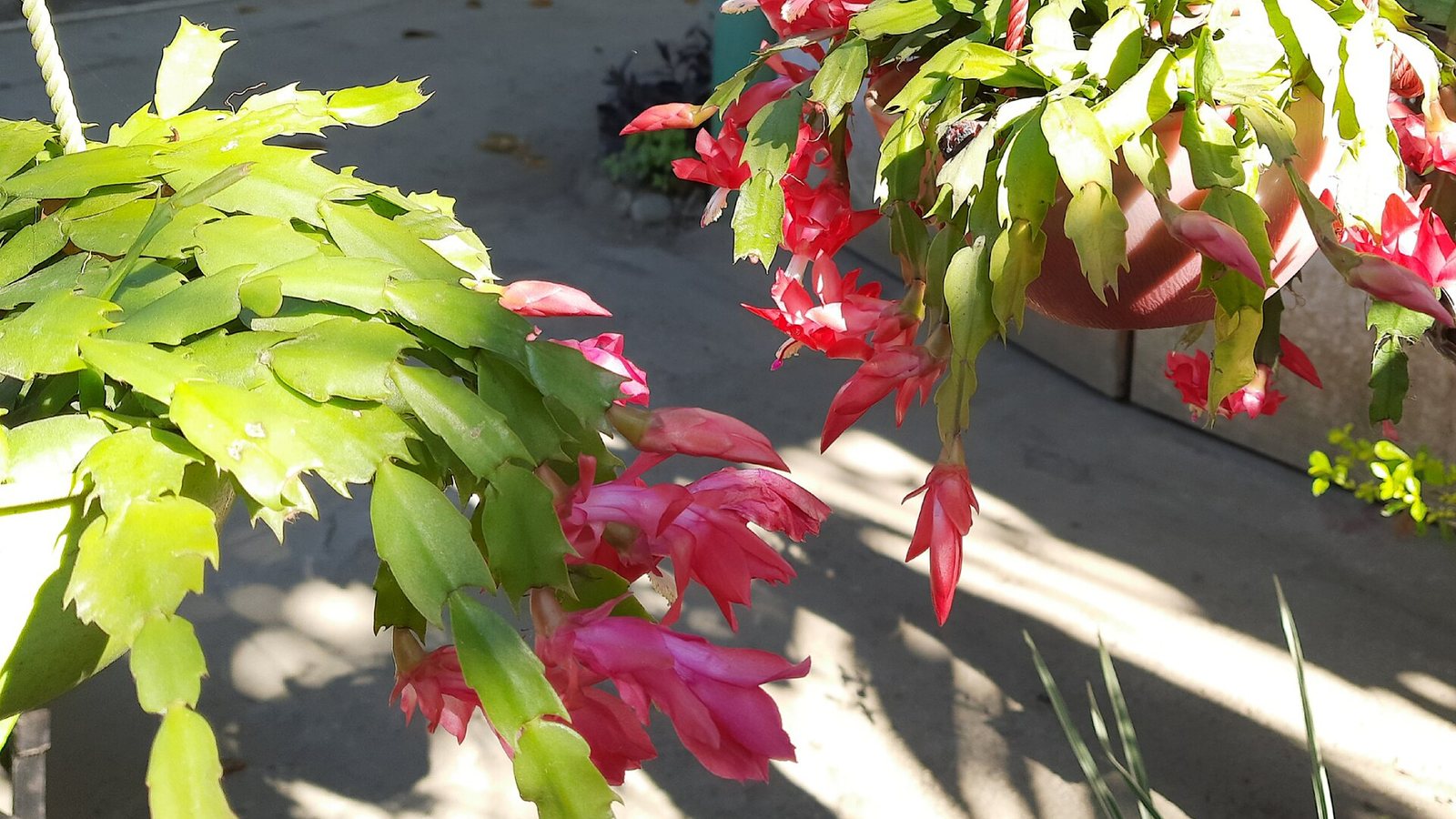
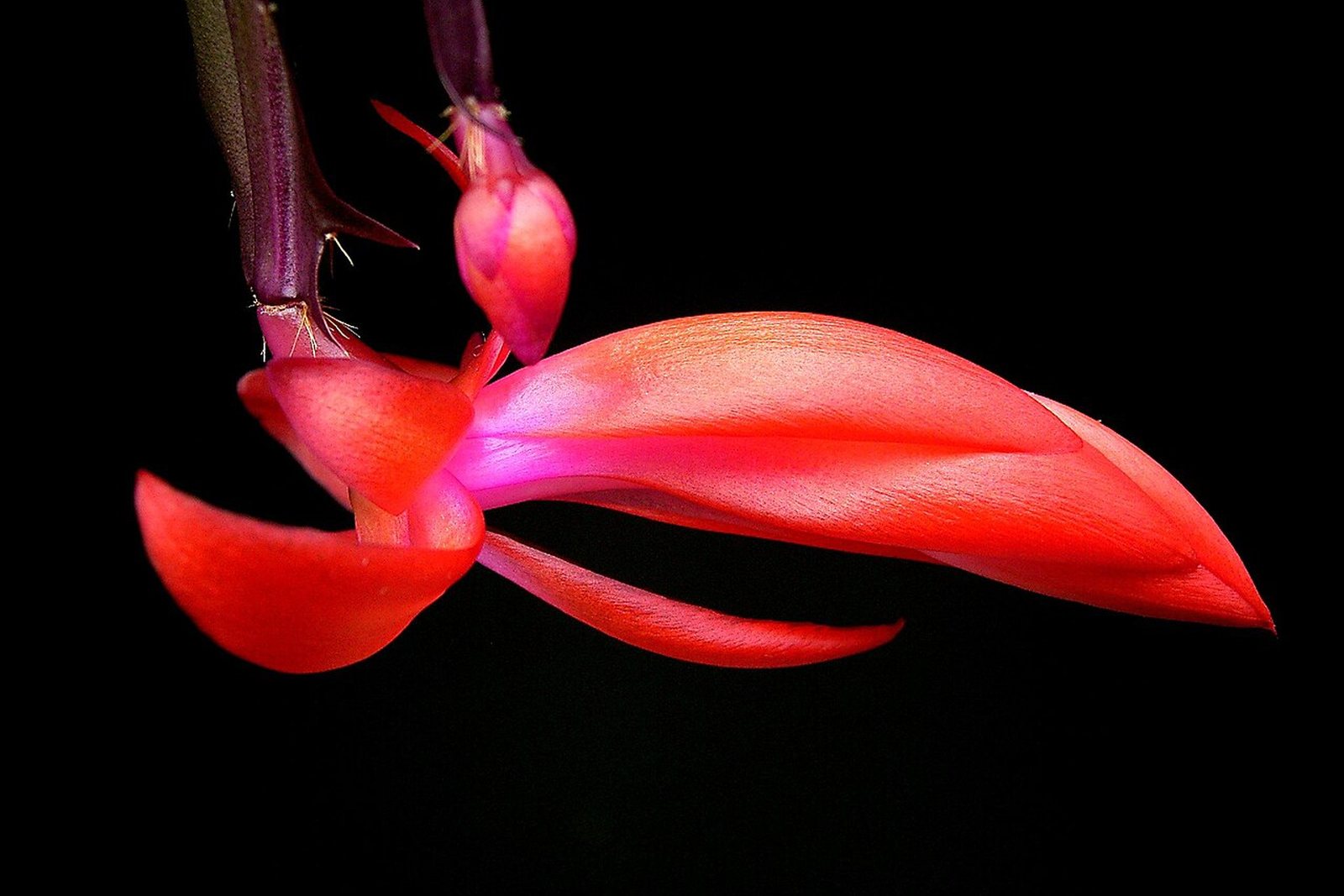
The common myth is that holiday cacti need cold or neglect. UF/IFAS says Christmas cactus starts flowering when days get shorter and nights cooler, and that it needs at least 12 hours of darkness to flower. To have flowers over the holidays in the Northern Hemisphere, keep the plant away from artificial light at night from October through December. Give it bright, indirect light within about 2 m (6 ft) of a south, east or west window, and water when the top 2.5 cm (1 in) of mix feels dry. Buds drop after big changes, draughts, or heat from vents and fireplaces, and if the plant gets too dry. Moving a plant in bud is the classic mistake. Our holiday cactus guide shows how to tell the three types apart.
Amaryllis and paperwhites: flowers from a bulb in weeks
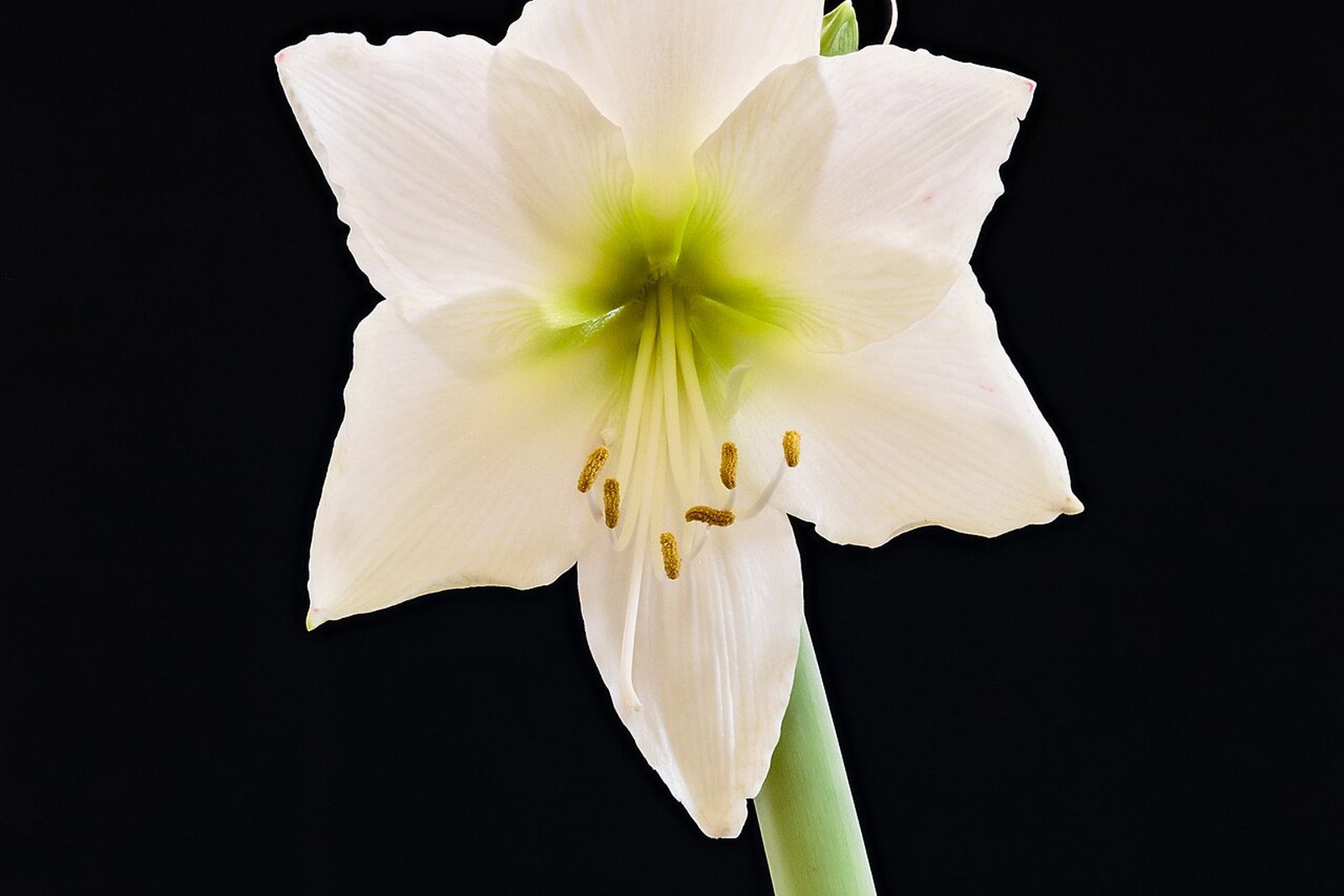
Bulbs are the quick winter win. Clemson says amaryllis planted in early to mid-November flowers 4 to 8 weeks later. It wants at least 4 hours of direct sun a day, and a temperature of about 21–24 °C (70–75 °F) while the stalk grows, then about 18 °C (65 °F) to prolong the blooms once they open. Water the bulb well at planting, then wait a week before watering again; once it flowers, water once or twice a week, or when the surface feels dry. Remove each blossom as it fades. Paperwhites follow the same bulb logic and are just as quick; both are one-time shows that suit a bright sill.
For readers in the Southern Hemisphere, the timing shifts: Clemson's dates are for the northern autumn, so count the weeks back from when you want flowers. Both plants are toxic to pets. Our amaryllis and paperwhites guide has the full method.
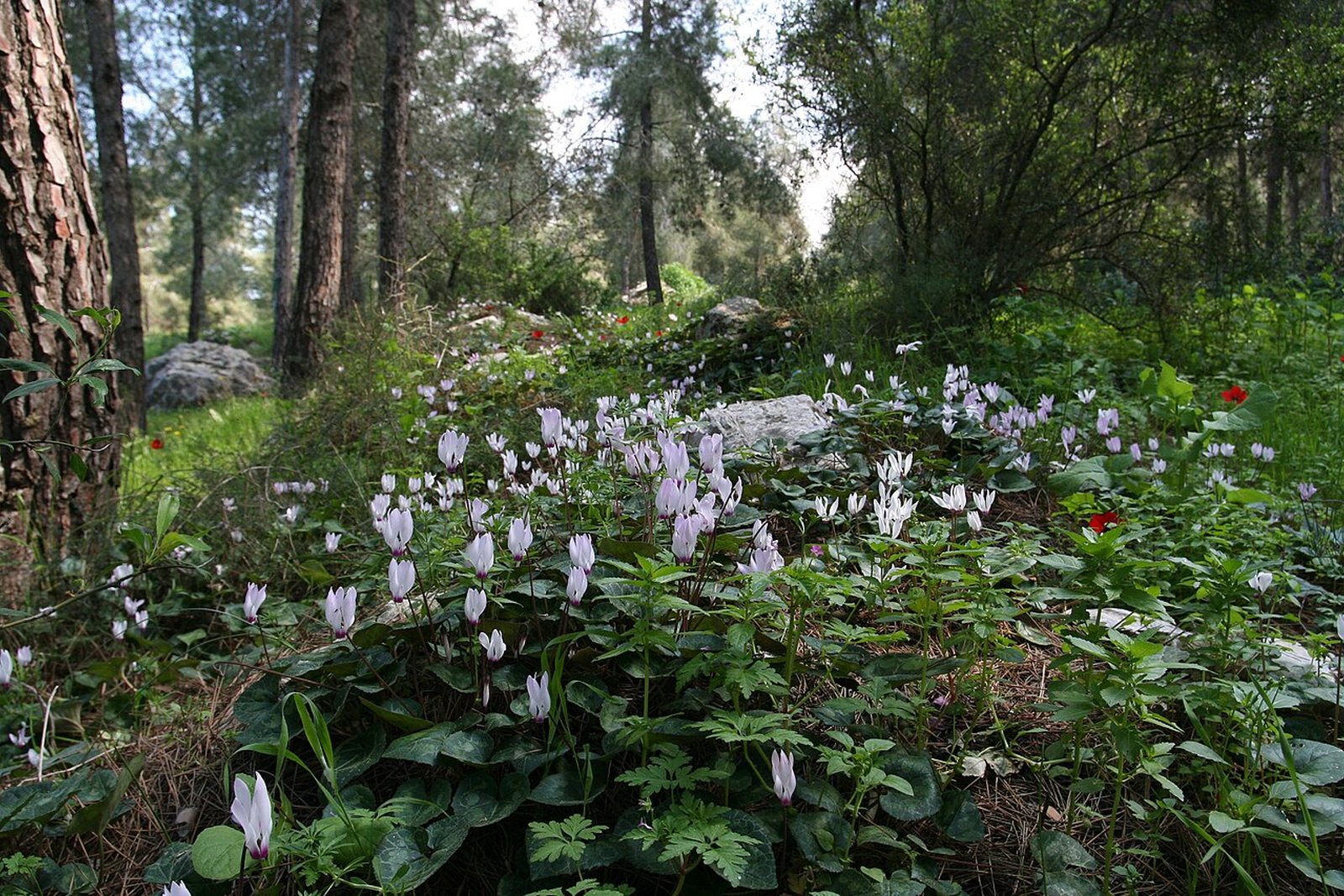
Cyclamen: cool rooms make it last
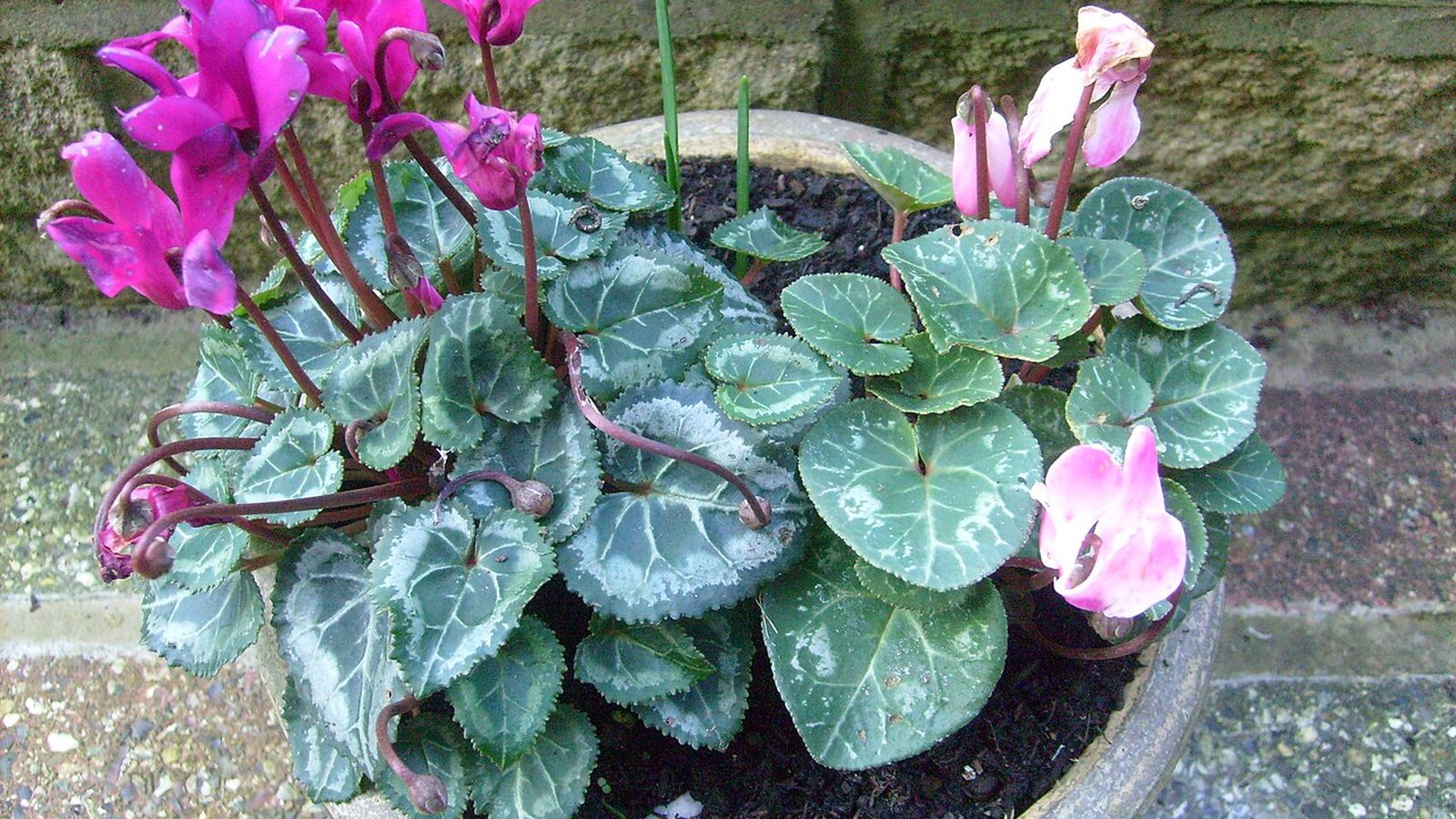
A shop cyclamen sulks in a heated living room. Clemson says it prefers day temperatures of 15–18 °C (60–65 °F) and nights around 10 °C (50 °F), and that above 21 °C (70 °F) buds fail to develop. Water along the pot's edge or from below, because watering the top can rot the tuber, and keep the mix moist but not soggy. With good care the blooms last up to 4 weeks, and removing spent flowers encourages more. After flowering the plant goes dormant: the leaves yellow and drop while the tuber rebuilds, which is normal, not a death sentence. In Mediterranean and Aegean Türkiye a cool bright hallway or a sheltered frost-free balcony suits it; in inland Anatolia keep it in at night. If yours droops, see why a cyclamen droops after buying.
What about kalanchoe?
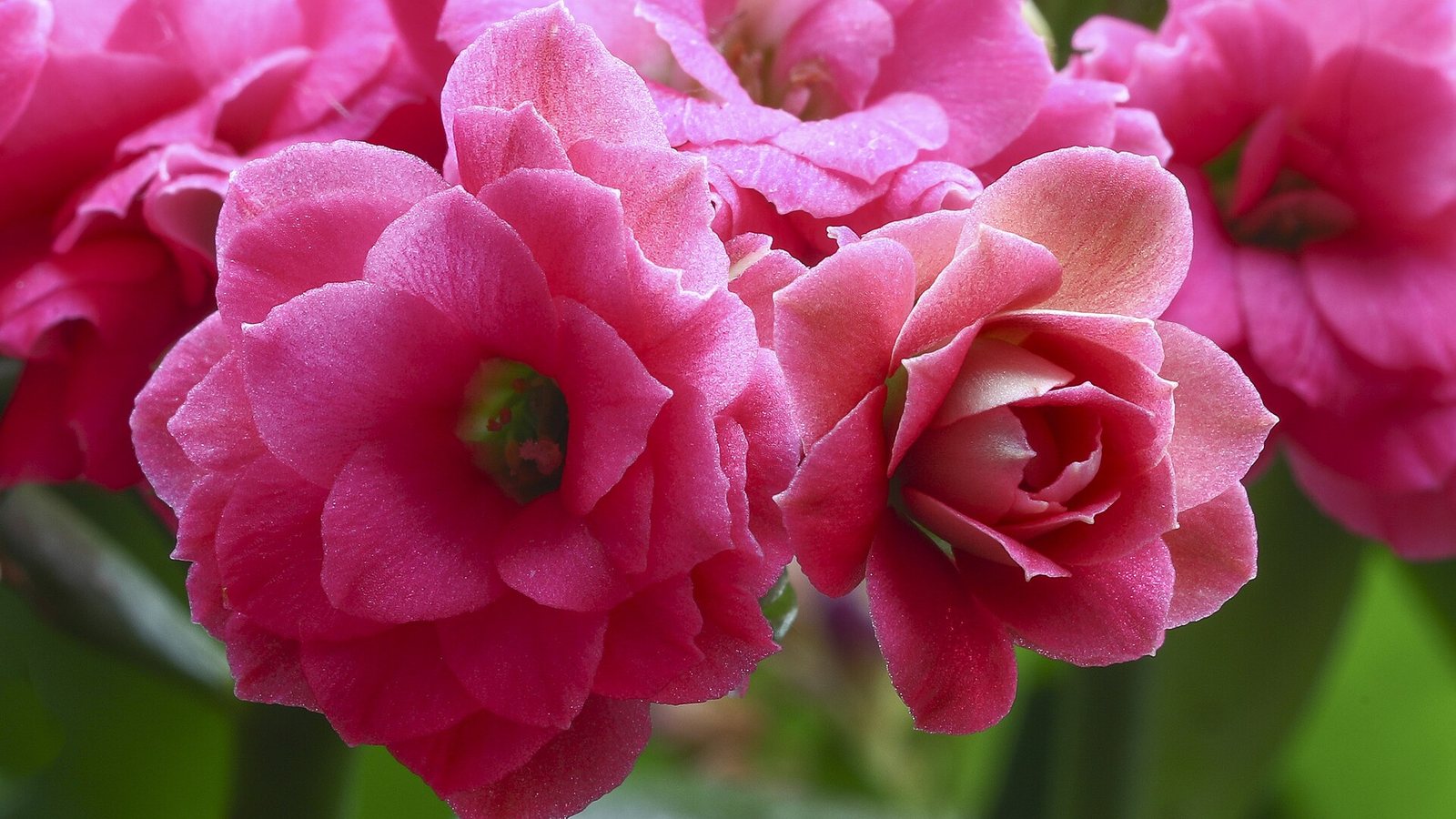
Kalanchoe is a sixth option that sets buds only after a run of long, dark nights, and it is toxic to pets according to the ASPCA. Our flowering houseplants list covers how to trigger it.
How do you choose one for your home?
- Pets at home: moth orchid or Christmas cactus.
- Warm, bright room: moth orchid, or amaryllis on a sunny sill.
- Cool hallway or spare room: cyclamen.
- You want flowers fast and do not mind a one-time show: paperwhites, or amaryllis.
- You like a project: Christmas cactus, or kalanchoe with long dark nights.
Not sure what you bought? The Flori app can identify a plant from a photo and its care profile lists light, watering and toxicity.
Frequently asked questions
Which houseplants bloom in winter?
Moth orchid, Christmas cactus, amaryllis, paperwhite narcissus, cyclamen and kalanchoe all flower in the cold months. Orchid and cyclamen are bought in flower, the bulbs are planted, and the other two need long nights.
Which winter flowering houseplants are safe for cats and dogs?
The ASPCA lists the Phalaenopsis orchid and the Christmas cactus as non-toxic to dogs and cats. Amaryllis, narcissus, cyclamen and kalanchoe are listed as toxic.
How long do amaryllis and paperwhites take to flower?
Clemson says amaryllis planted in early to mid-November flowers 4 to 8 weeks later; paperwhites are planted the same way for a similar quick show.
Why does my Christmas cactus not flower?
UF/IFAS says it needs at least 12 hours of darkness to flower, so light at night, a heat source or a sudden move can stop buds forming or make them drop.
Four flowering houseplants that rebloom indoors: moth orchid, African violet, hoya and kalanchoe, with what triggers blooms and pet safety.
Sources
Written and fact-checked by the Flori team. Every guide cites horticultural sources such as the RHS, university extension services and the ASPCA, and is updated when the advice changes. How we write our guides
General plant care information. Plants vary; when a plant is valuable or a problem spreads quickly, consult a local nursery or plant specialist.