Chlorophyllum molybdites · Agaricaceae
Green-Spored Parasol (Chlorophyllum molybdites): Facts
The green-spored parasol is a poisonous lawn mushroom. What experts look at, which mushrooms it is confused with, symptoms from the sources, and who to call.
- Poisonous
Also called: false parasol, green-spored lepiota
 By Flori editorial team · Updated
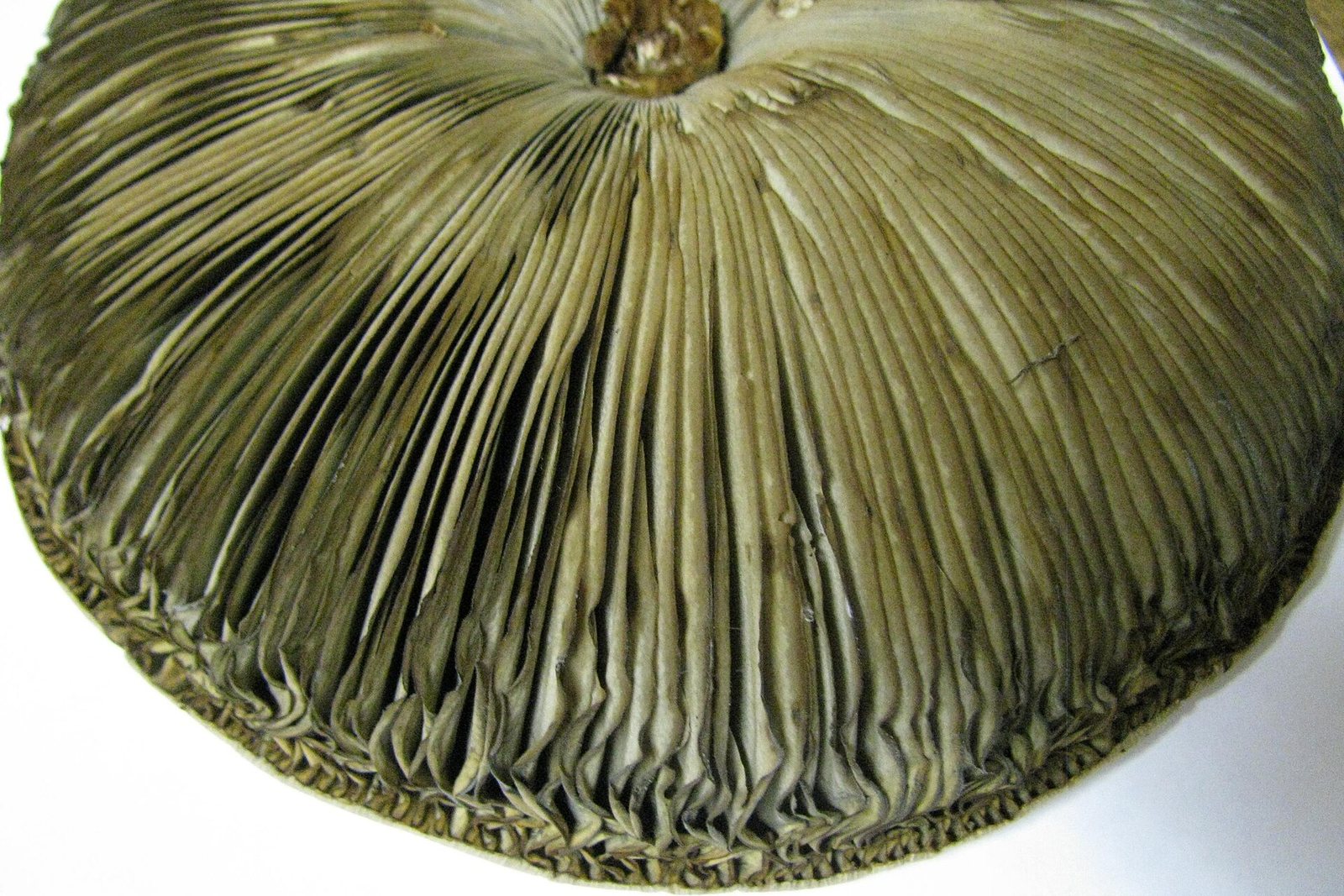
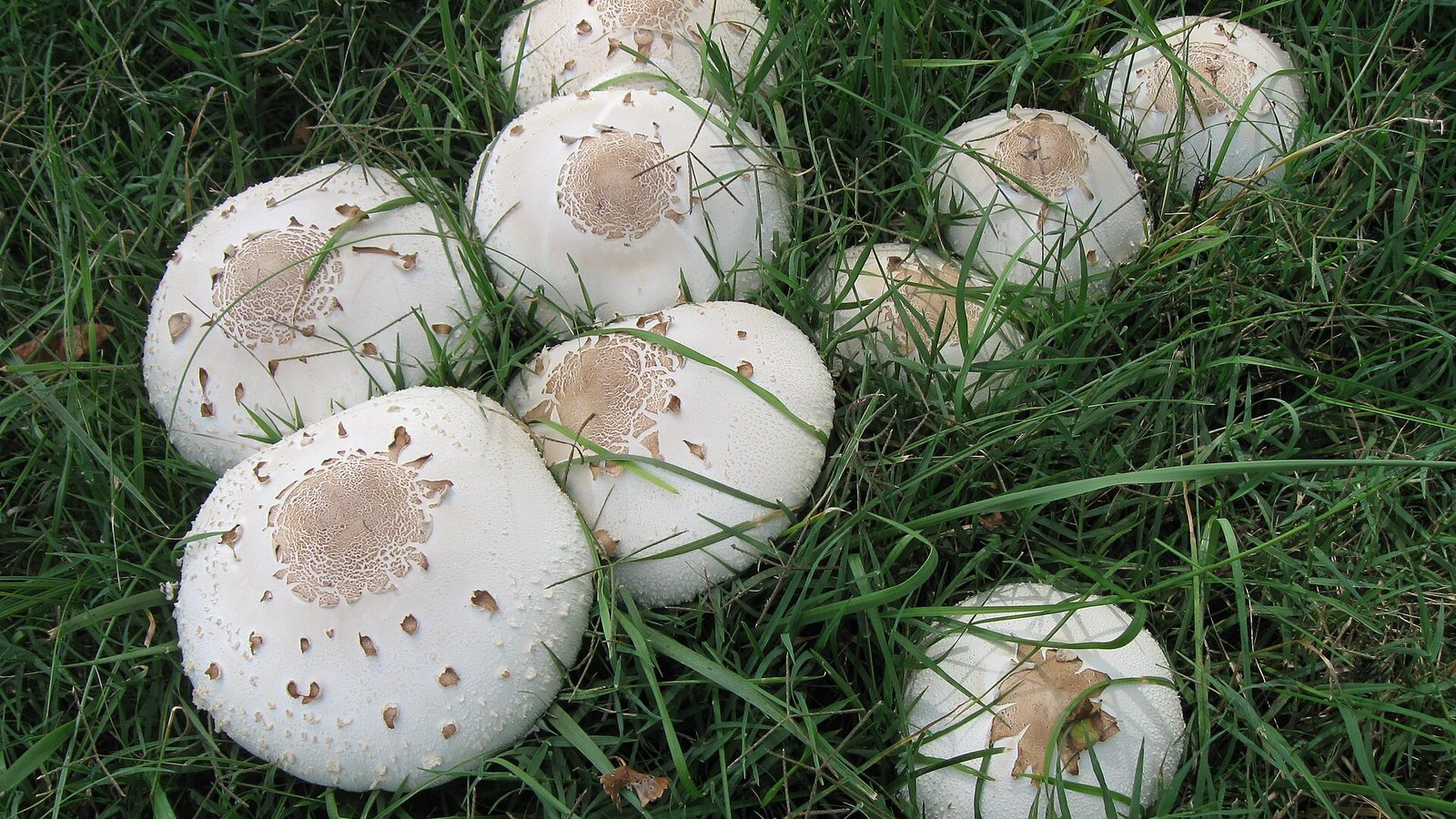 Photo: Brian Adamo (adamo588) · CC BY-SA 3.0
Never eat a wild mushroom identified from a photo, an app or this page. If someone may have eaten one, call your poison centre now.
The green-spored parasol (Chlorophyllum molybdites) is a poisonous mushroom of lawns and yards, and NAMA calls it the most common mushroom cause of human poisonings in North America. It is mistaken for edible parasols and shaggy manes. Never eat a wild mushroom identified from a photo or app. If one was eaten, call a poison line now.
At a glance
- Edibility
- Poisonous; never eat a wild mushroom identified from a photo or app
- Season
- US cases mostly late June to September; our sources give no other range
- Habitat
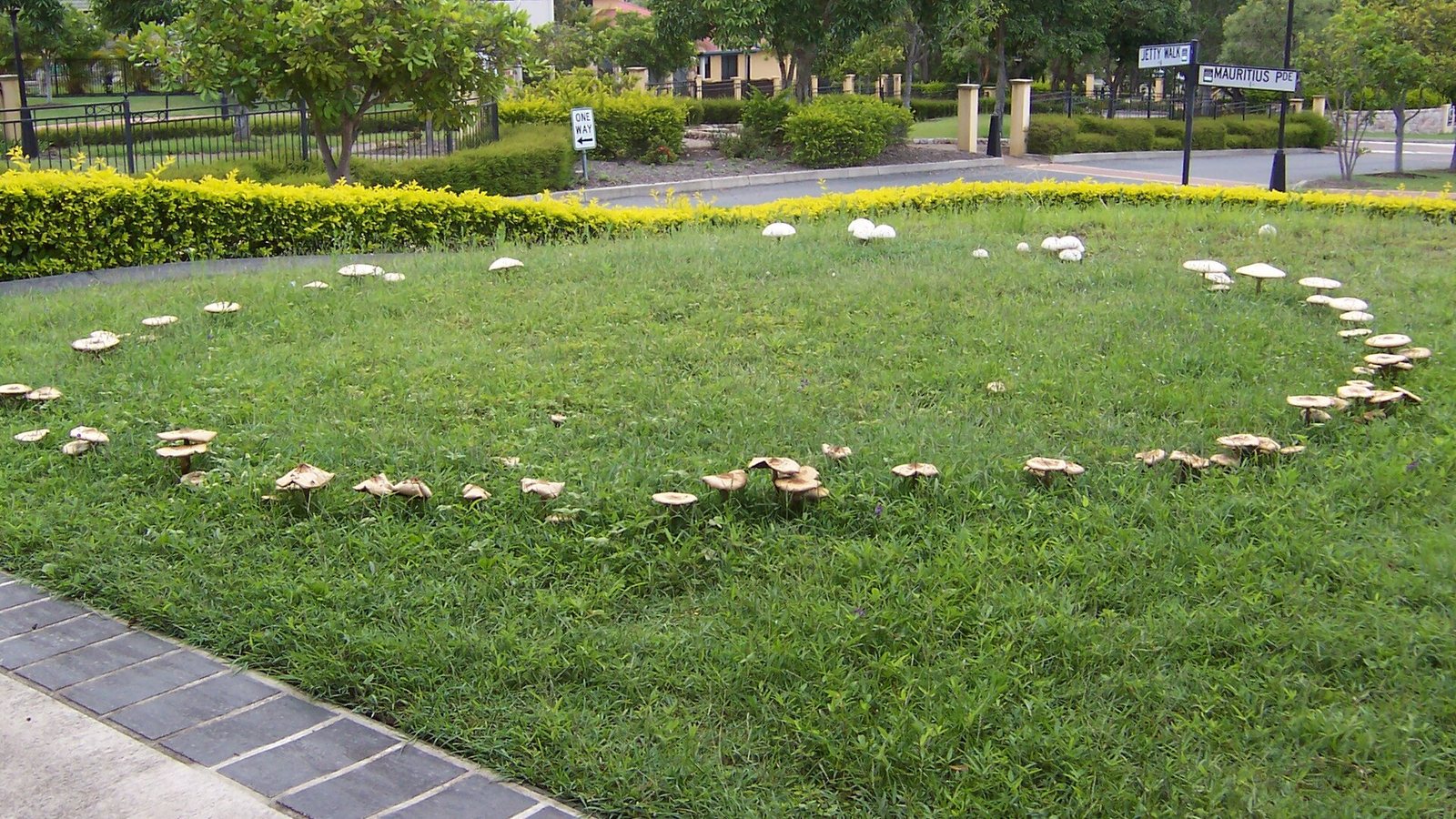
- Lawns and yards, often in fairy rings
- Cap
- Broad, convex to flat; ring on the stem; cases mention about 7-15 cm (3-6 in)
- Gills or pores
- Gills white when young, olive-green when mature
- Spore print
- White when young, turning green when mature
- Look-alikes
- Shaggy parasol, parasol, shaggy mane, deadly white Amanitas; ask an expert
On this page5
What does the green-spored parasol look like?
The green-spored parasol (Chlorophyllum molybdites, also called false parasol or green-spored lepiota) is a poisonous lawn mushroom that is eaten by mistake more often than almost any other in North America. This page describes what experts and poison centres mention. It is not a way to decide that a mushroom is safe, and nothing here can do that.
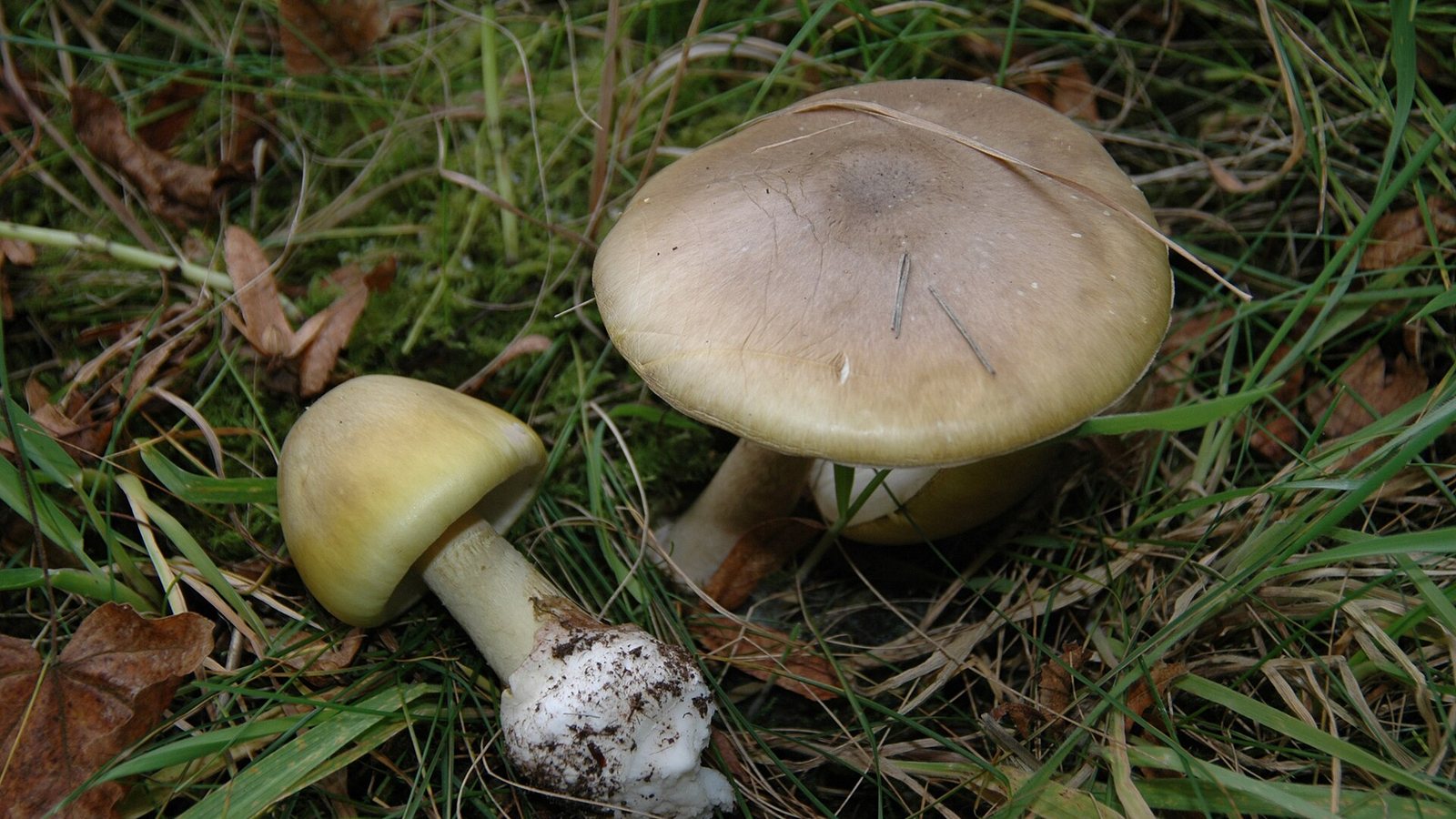
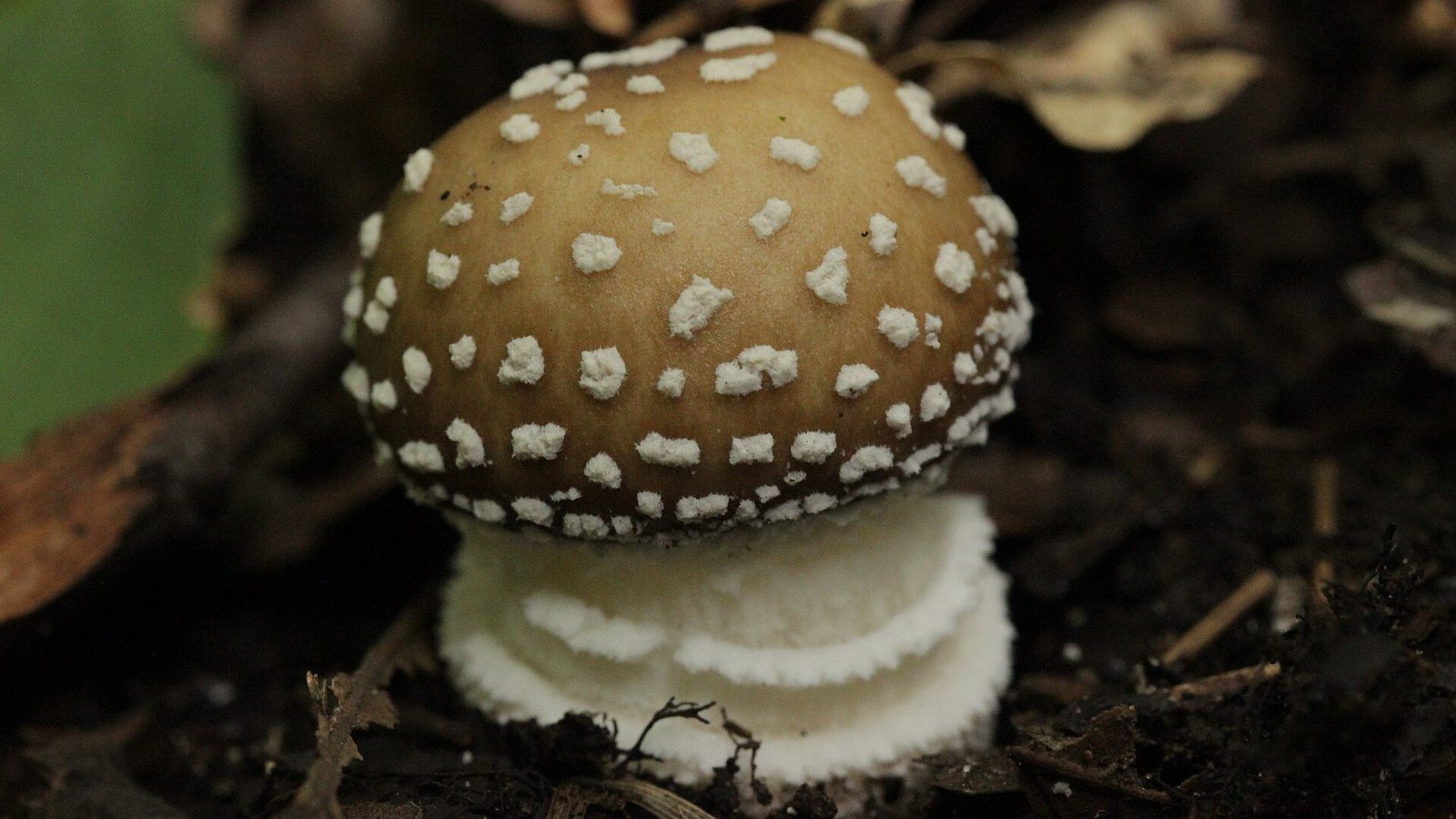
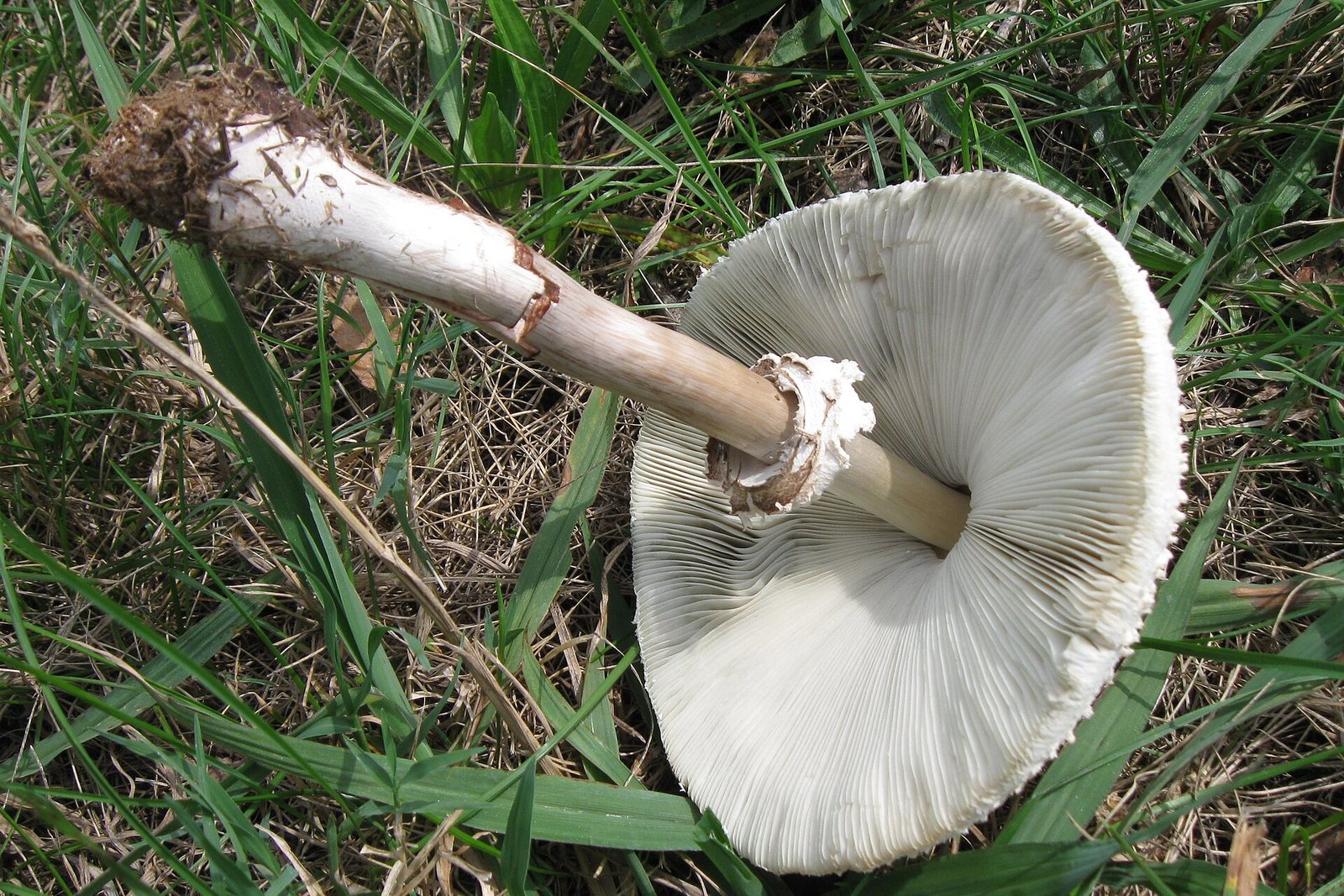
The North American Mycological Association (NAMA) describes a broad mushroom with a convex to flat cap, a distinct ring on the stem, and firm flesh that bruises a dingy red. Its gills start white and its spores start white, and both turn olive-green as the mushroom matures. Case reports in NAMA's 2011 report mention caps of about 3 inches (7.5 cm) and 4 to 6 inches (10 to 15 cm). The Ohio State University fact sheet lists the green-spored lepiota as poisonous and says it often appears in large fairy rings in lawns.
A young mushroom has white gills, so it can look like the harmless mushrooms it is mistaken for. Experts check the spore colour, the whole mushroom and its base, not one photo of a cap.
Which mushrooms is it confused with?
Look-alikes run in both directions, and that is what makes it dangerous.
- Shaggy parasol (Chlorophyllum rhacodes). The Ohio State fact sheet calls this scaly-capped mushroom edible and says it grows in compost, mulch and lawns. A NAMA writer says people have mistaken the green-spored parasol for it, because the green-spored species has gills that turn greenish from spores that start white, while the shaggy parasol's spores stay white. The same writer says that unless he spore-printed every specimen he would not eat any of the edible Chlorophyllum species, except where the green-spored one does not grow. This page does not suggest eating any wild parasol.
- Parasol (Macrolepiota procera). NAMA's 2011 report says a mix-up between a parasol and the green-spored parasol is understandable and that it happened that year.
- Shaggy mane (Coprinus comatus). NAMA records people who ate the green-spored parasol thinking it was a shaggy mane, in 2011 and again in the following years. NAMA says the shaggy mane is tall and bullet-shaped with soft flesh, black spores and gills that turn to black ink, while the green-spored parasol is broad with firm flesh and does not turn to ink. That is how one expert tells two mushrooms apart, not a test you can use to decide that one is safe.
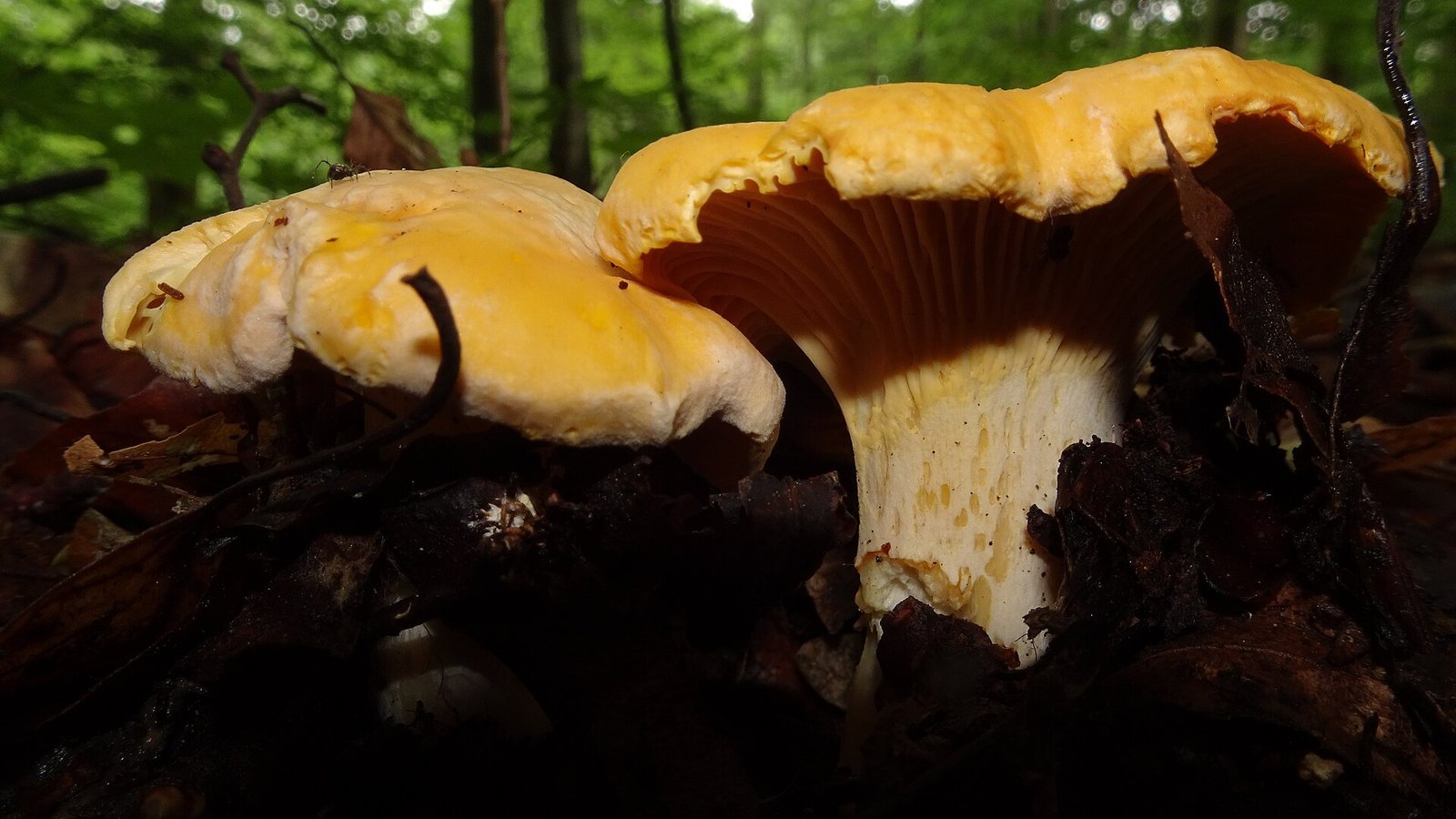
- Deadly white mushrooms with a ring. White gills and a ring are also found on dangerous Amanitas. The Ohio State fact sheet marks "all white mushrooms are safe" as false and says the most common deadly mushrooms in Ohio are white. Read the death cap guide and edible wild mushrooms and their look-alikes.
Never use colour, smell, taste, peeling the cap, silver, or the fact that animals or insects eat it as a test. NAMA says colour, insect damage, smell and folklore are not reliable tests of edibility, and the Ohio State fact sheet labels the silver spoon, peeling and animal myths as false. See how to tell if a mushroom is poisonous.
Flori can suggest a name from a photo of a mushroom, but a photo is never a reason to eat it, least of all a mushroom from a lawn.
When and where does it grow?
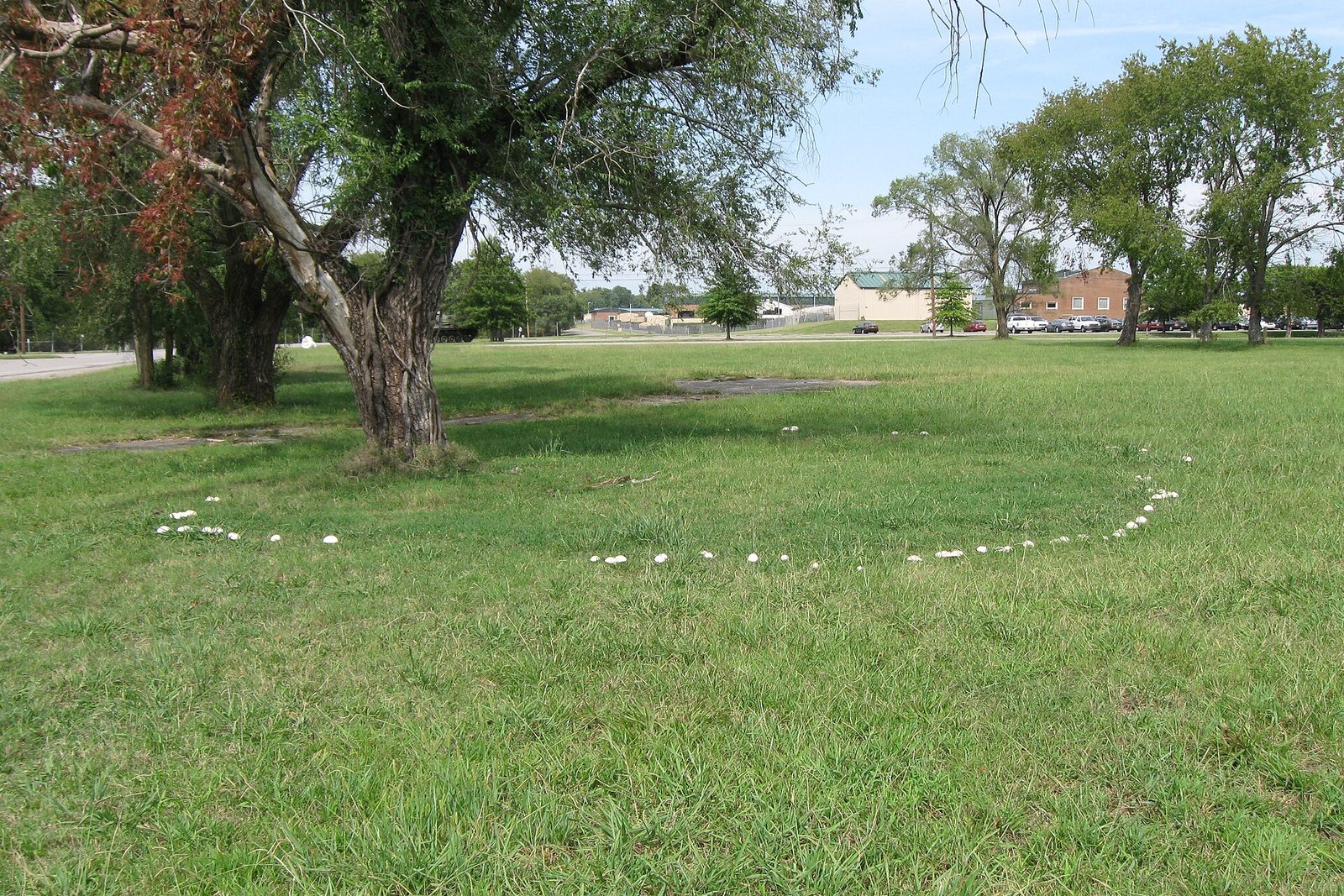
The Ohio State fact sheet says it often appears in large fairy rings in lawns, and NAMA's reports describe people picking it in their own yards. In the 2011 NAMA report, almost all of the cases with a date fall between late June and September; one case, from Hawaii, was in December. That reflects where and when the reports came from. Our approved sources do not give a range for the southern hemisphere or for Türkiye, and the season of a mushroom is never a safety guide. For other lawn mushrooms, see mushrooms in lawn and garden.
How poisonous is it, and what are the symptoms?
NAMA lists it under miscellaneous poisoning syndromes, calls it the most common mushroom cause of human poisonings in North America, and says it causes severe gastrointestinal distress, sometimes with blood in the vomit and stool. Pets can be poisoned too. Our badge therefore says "poisonous".
In 2011 NAMA counted 18 human cases, about 15% of all reports, and says they were sometimes quite severe and often needed hospital care. In the case notes, symptoms usually began within about 1 to 6 hours and included vomiting, diarrhoea, cramps, weakness and sweating. The notes include people who ate it raw and people who ate it cooked, so cooking does not make it safe. A 2017 NAMA article adds that people who ate it raw had bloody vomit and diarrhoea, and that others had chills, headache and salivation; it says the illness can last a few days. NAMA's dog reports include a dog that had a seizure after a bite or two, and another with vomiting, diarrhoea, weakness and disorientation.
Do not assume this is the only danger. If a mushroom was mistaken for a white Amanita, or the other way round, the symptoms may be delayed. NAMA says amatoxin symptoms are delayed for 6 to 24 hours, that the victim may appear to recover on day two or three, and that the liver and kidneys are damaged during the quiet period. Our guide to mushroom poisoning symptoms goes through the stages.
What should you do if someone has eaten a green-spored parasol or an unknown mushroom?
- Call the poison line now, before any symptoms. Türkiye: UZEM 114 (Ulusal Zehir Danışma Merkezi). United States: Poison Control 1-800-222-1222. United Kingdom: NHS 111. Elsewhere, call your local emergency number. Do not wait to see what happens, and do not wait for symptoms to settle.
- Keep a sample. Save leftovers, uncooked pieces, or more of the same mushroom from where it grew, with its base. NAMA advises keeping photographs or specimens that may help with identification. A paper bag kept cool is better than plastic.
- Write down the facts: who ate it, how much, when, and whether it was raw or cooked.
- Pets too. If a dog or cat may have eaten a wild mushroom, call your vet immediately; in the US the ASPCA Animal Poison Control Center can also help. See poisonous mushrooms and dogs.
This page gives no treatment advice: treatment decisions belong to a hospital and a poison centre.
Frequently asked questions
Is the green-spored parasol poisonous?
Yes. NAMA lists Chlorophyllum molybdites as the most common mushroom cause of human poisonings in North America, causing severe gastrointestinal distress, sometimes with blood in the vomit and stool. If someone may have eaten it, call a poison line at once.
What is the green-spored parasol called in Turkish?
We found no established Turkish name in our sources. The Turkish page uses "yeşil sporlu şemsiye mantarı", a translation of the English name.
How soon do symptoms start after eating a green-spored parasol?
In the NAMA 2011 case notes, symptoms usually began within about 1 to 6 hours. Because a mix-up with a deadly Amanita is possible, and those symptoms can be delayed by 6 to 24 hours, call a poison line before anything shows.
Can you eat a green-spored parasol if you cook it?
No. The NAMA case notes include people who ate it cooked and became ill. Never eat a wild mushroom identified from a photo or an app.
Is the green-spored parasol dangerous for dogs?
NAMA reports pets can be poisoned, and its dog reports include a dog that had a seizure after a bite or two. Call your vet immediately if a pet may have eaten a wild mushroom.
Sources
Written and fact-checked by the Flori team. Every guide cites horticultural sources such as the RHS, university extension services and the ASPCA, and is updated when the advice changes. How we write our guides
General plant care information. Plants vary; when a plant is valuable or a problem spreads quickly, consult a local nursery or plant specialist.