Air Layering Step by Step: Root a Branch on the Plant
Air layering step by step: wound a stem, wrap it in damp sphagnum moss, wait for roots and pot it. Works for rubber trees, dracaena, fiddle-leaf figs.
 By Flori editorial team · Updated
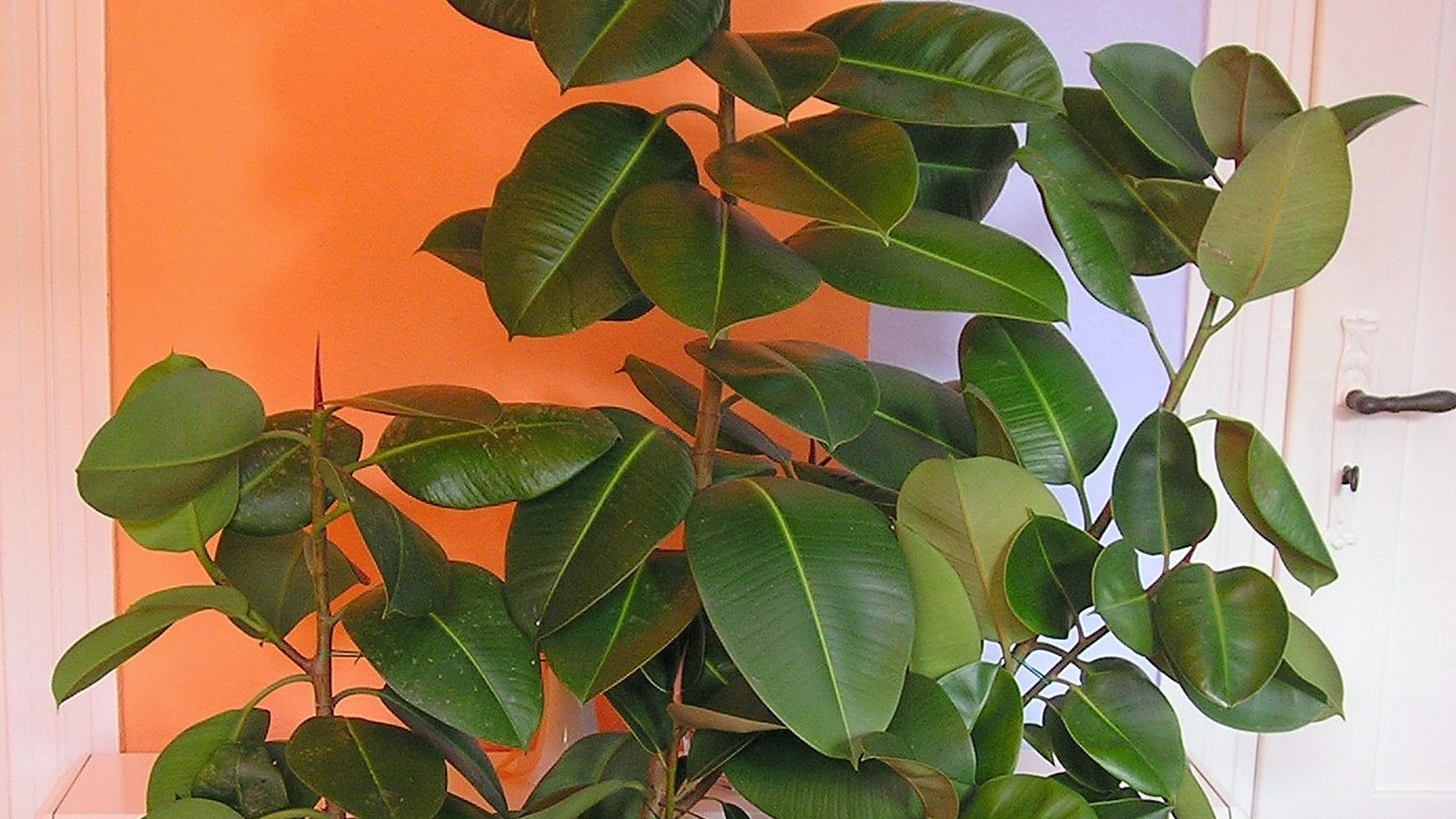
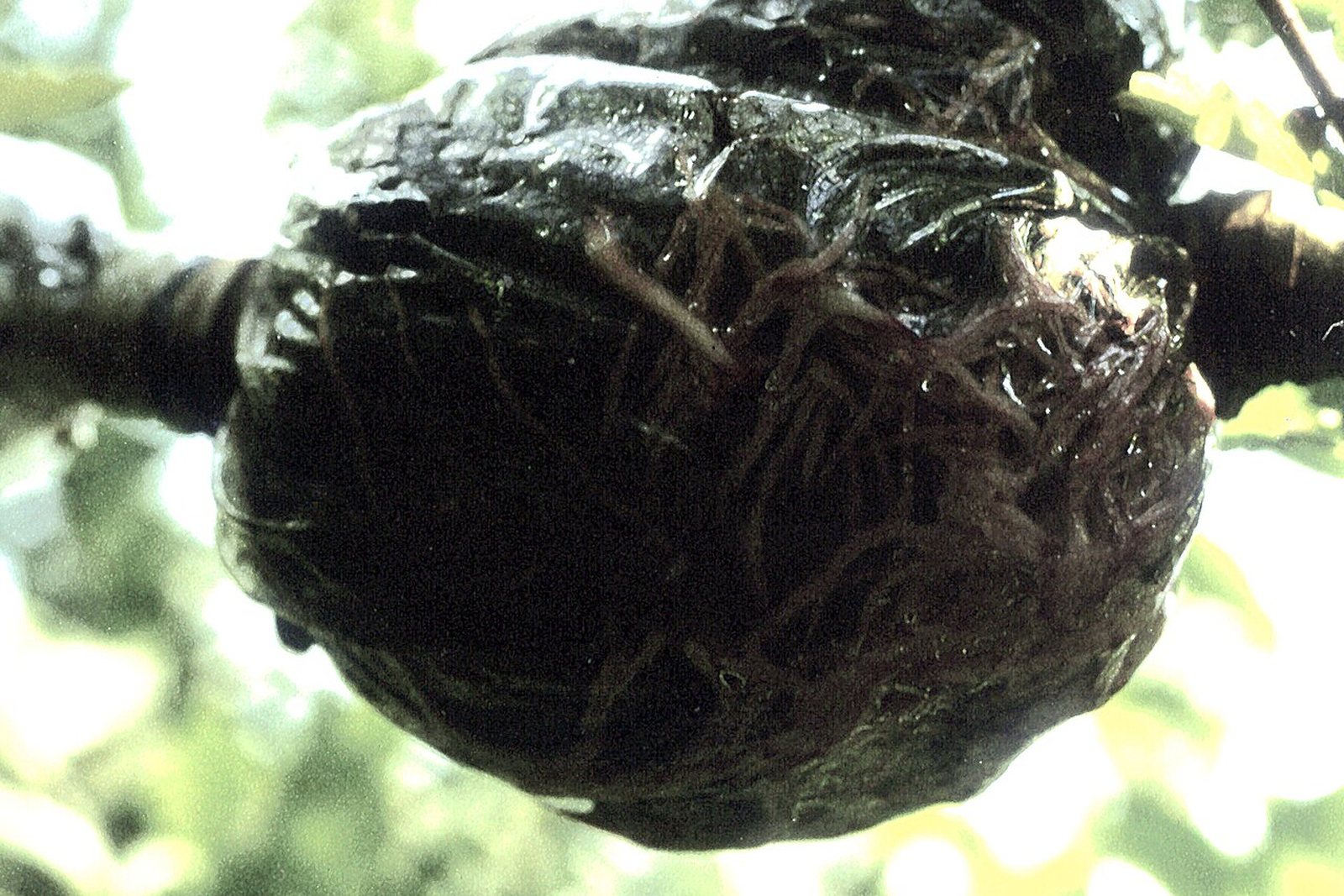
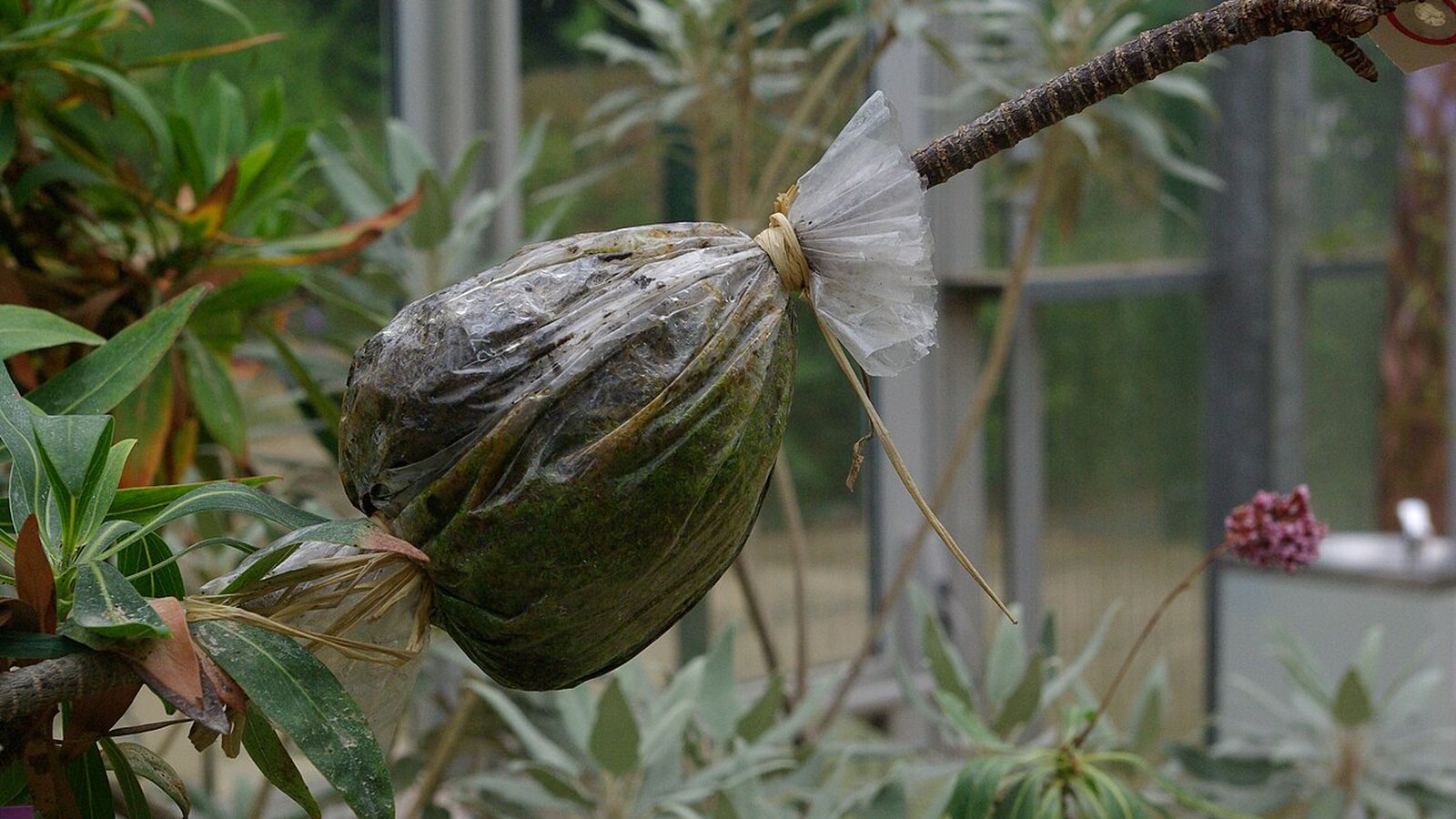 Photo: El Funcionario · CC BY 2.0
Air layering roots a branch while it is still on the plant. Remove the leaves 30 to 45 cm (12 to 18 in) from the tip, wound the stem, pack damp sphagnum moss round the wound and wrap it in plastic. Roots take several weeks to months. Cut below the roots and pot the new plant.
Key takeaways
- Air layering suits woody or leggy plants such as rubber trees, fiddle-leaf figs and dracaena that root poorly as cuttings.
- Wound dicots by removing a ring of bark; for dracaena make a slanting cut a third of the way through and prop it open.
- Keep the moss damp and re-water it through the top tie if it dries out.
- Roots appear in several weeks for many houseplants, though some take months, so check through the plastic.
- Cut just below the roots and pot the new plant with the moss still on the roots.
On this page10
- What is air layering, and when is it the right method?
- Which houseplants can you air layer?
- What do you need?
- How do you air layer a plant, step by step?
- How long does an air layer take to root?
- When should you cut it off and how do you pot it?
- When is the best time to air layer?
- Why is my air layer not working?
- Air layering or simple layering: which should you choose?
- Is air layering safe around pets and children?
What is air layering, and when is it the right method?
Air layering roots a branch while it is still attached to the parent plant, so the stem keeps getting water and food until it has its own roots. It is the method to try when a tall, leggy houseplant has lost its lower leaves, or when a plant such as a rubber tree or dracaena is too woody to root reliably as a cutting. The Royal Horticultural Society (RHS) describes it as a way to propagate plants that "don't root well from cuttings". The result is a bigger plant than any cutting gives you, which is why people use it to rescue a bare-stemmed favourite. If you want the quick methods first, see our guide to propagating plants from cuttings.
Which houseplants can you air layer?
Iowa State Extension lists these as suitable. The only thing that changes between them is how you wound the stem (see step 3).
| Plant | Stem type | How to wound it |
|---|---|---|
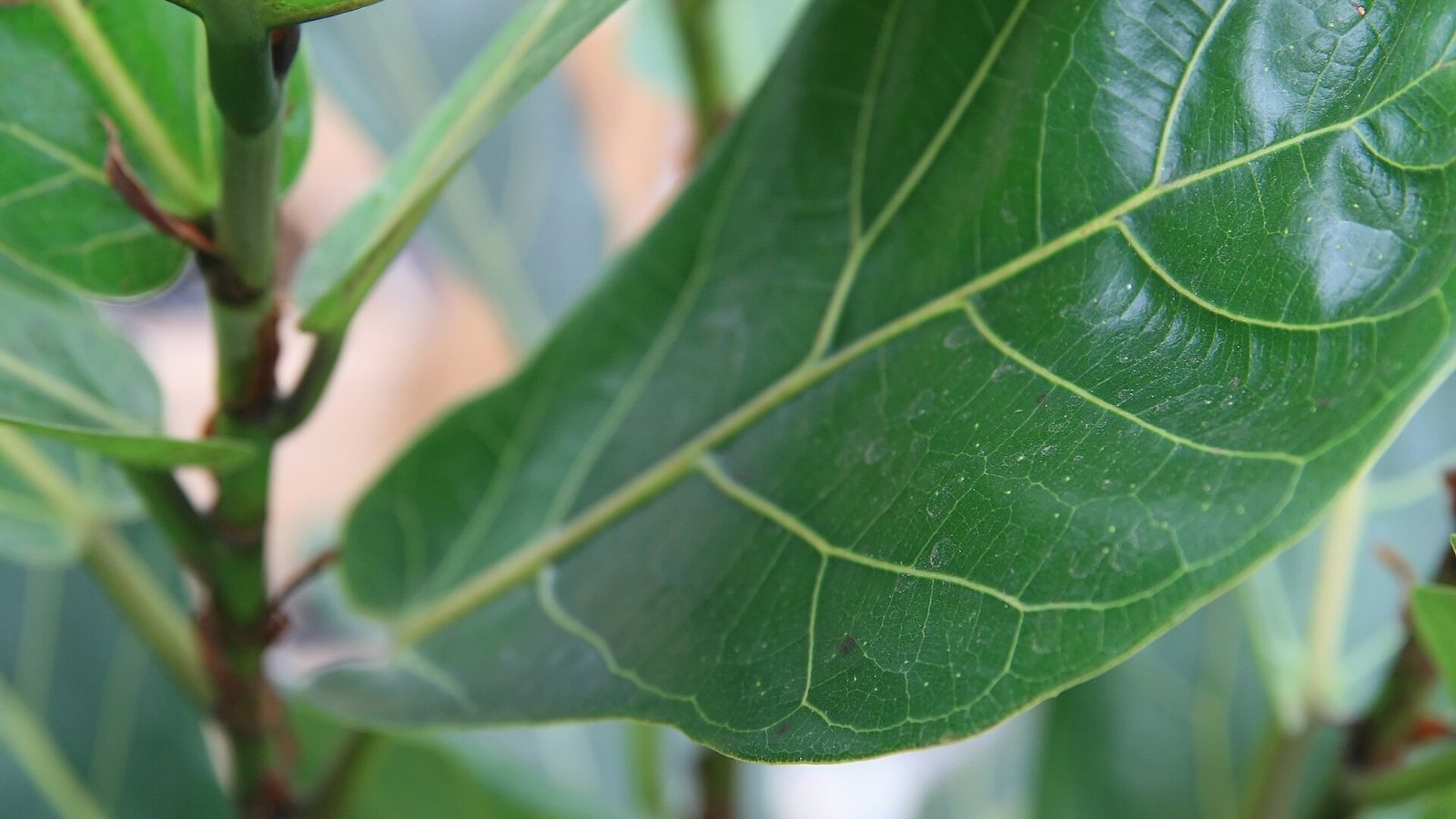
| Rubber tree (Ficus elastica), weeping fig, fiddle-leaf fig, croton | Dicot, woody stem | Ring cut: remove a band of bark |
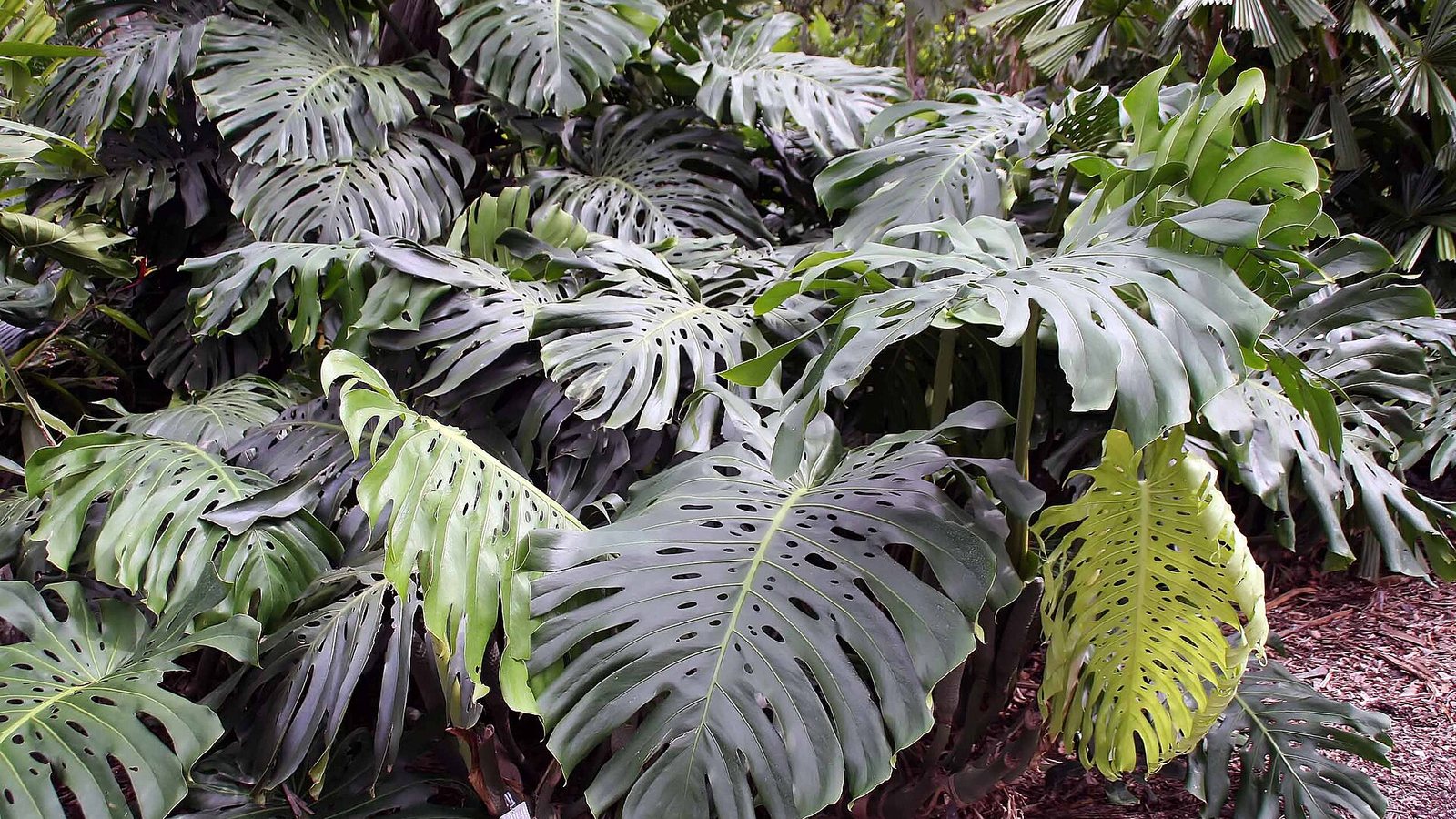
| Swiss cheese plant (Monstera), Chinese evergreen, false aralia, dwarf schefflera, Norfolk Island pine | Listed by Iowa State; use the matching method for the stem | Check the plant's stem type first |
| Dracaena (dragon tree), dumb cane (Dieffenbachia) | Monocot | Slanting cut about one third through the stem, held open with a toothpick |
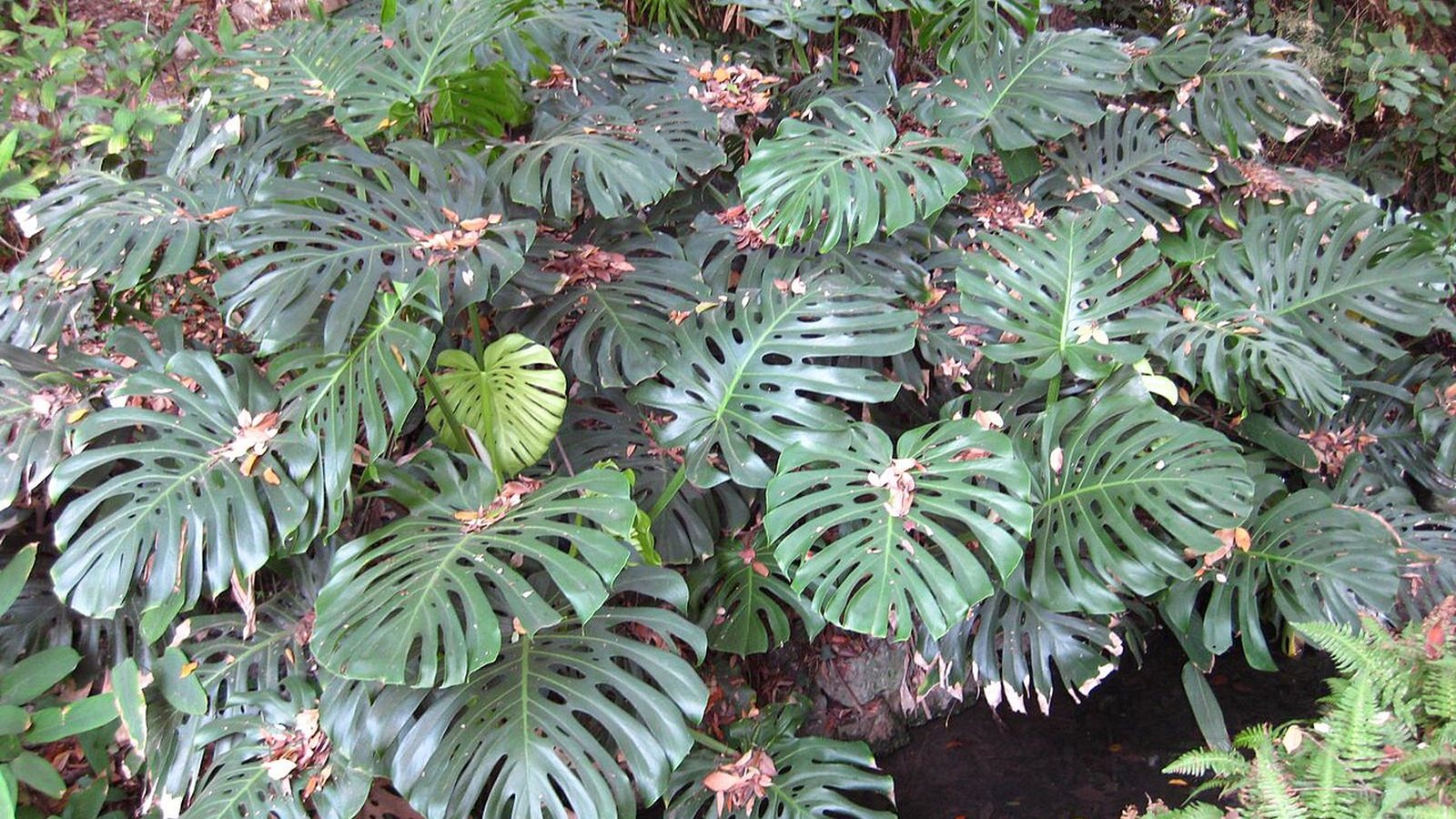
For a monstera in particular, our monstera propagation guide covers aerial roots and nodes. This guide is the general method for any of the plants above.
What do you need?
- A clean, sharp knife or razor blade.
- Sphagnum moss: one or two handfuls, moistened first (Iowa State says unmilled moss). The RHS stresses sustainably sourced moss.
- Clear plastic, for example a cut-up sandwich bag, plus two twist ties or tape. Iowa State also allows foil, plastic wrap, electrical tape or cotton string.
- Rooting hormone powder (optional; Iowa State includes it as a step, the RHS does not mention it).
- A toothpick, for monocots such as dracaena.
How do you air layer a plant, step by step?
- Pick the spot. Choose a healthy stem and a place about 30 to 45 cm (12 to 18 in) from the shoot tip. Remove the leaves from that area. The RHS adds that the stem should be straight and vigorous, with no snags left behind.
- Soak the moss. Squeeze it so it is damp, not dripping.
- Wound the stem. On a dicot such as a rubber tree, cut all the way around the stem down to the woody centre, make a second cut 2.5 cm (1 in) below the first, join them with a third cut and peel off the bark ring. Scrape the bare surface to remove the soft layer underneath (Iowa State). On a monocot such as dracaena, make an upward-slanting cut about one third of the way through the stem, never snapping it, and prop it open with a toothpick.
- Add rooting hormone to the wound if you use it.
- Pack the moss round the wound.
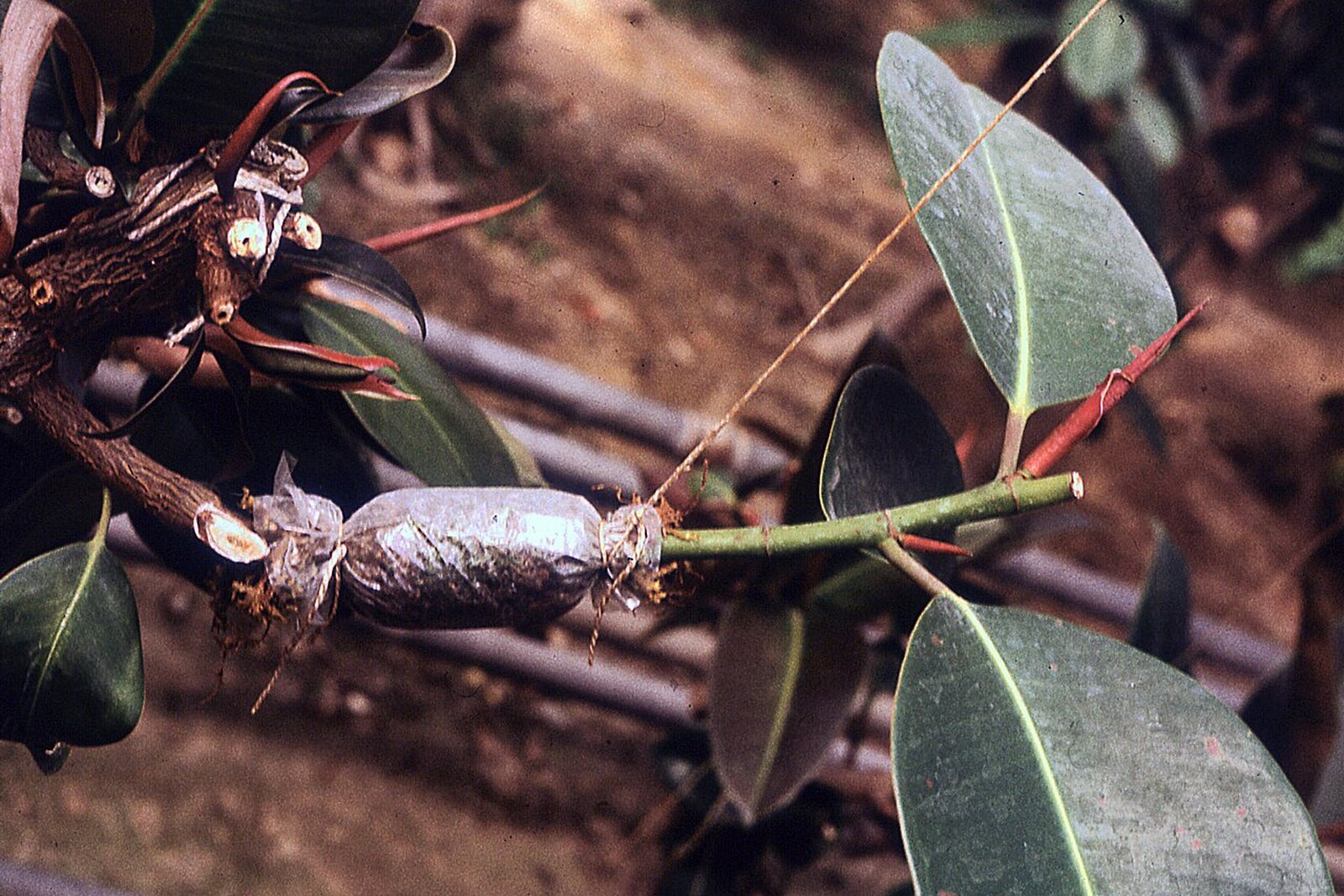
- Wrap it. Enclose the moss in plastic so that no moss sticks out of the ends, and close both ends with ties or tape.
How long does an air layer take to root?
Iowa State says roots usually appear in several weeks, though some species take months. For woody garden shrubs the RHS says to leave the wrap in place for up to a year. Those are very different numbers, and the plant, the stem and the season all matter, so do not judge success by the calendar. Look through the plastic: white or tan roots pushing through the moss mean it is working. If you want to log progress, Flori's care reminders include progress photos, which suits a project that takes weeks.
When should you cut it off and how do you pot it?
Wait for roots several centimetres long (Iowa State says several inches). Then cut the stem just below the bottom tie, remove the wrapping and pot the rooted stem in potting mix. The RHS adds that you should not try to pull the moss off the roots. Water it in and keep it in bright, indirect light; once it is established, usually within a few weeks, Iowa State says to start regular feeding. The parent plant can keep growing, and will usually branch below the cut.
When is the best time to air layer?
Iowa State says early spring is ideal, though most houseplants can be layered year-round. The RHS recommends spring or autumn for garden shrubs, with spring better for evergreens. In the Northern Hemisphere that means roughly March to April for early spring; in the Southern Hemisphere, September to October. In Türkiye the cooler Black Sea and inland regions start later than the Mediterranean and Aegean coasts, so go by the plant waking up, with new growth starting, not by the date.
Why is my air layer not working?
| What you see | Likely reason | What to do |
|---|---|---|
| Moss looks pale and feels dry | It dried out | Open the top tie, water until the moss is fully moist, reseal (Iowa State) |
| No roots after several weeks | Some species take months | Keep checking; the RHS allows up to a year for slow woody plants |
| Algae on the moss | Light reaching the moss | The RHS suggests black plastic for slow rooters, because light can encourage algae |
Air layering or simple layering: which should you choose?
Simple layering is the easier cousin, and it suits trailing plants. Iowa State lists spider plant, pothos, English ivy, wax vine, Swiss cheese plant, heartleaf philodendron, arrowhead vine and inch plant. You bend a flexible stem down to a pot of potting mix, bury at least one node 5 to 10 cm (2 to 4 in) deep with the tip pointing up, pin it in place and wait 6 to 12 weeks, sometimes longer, before cutting it free. Choose air layering when the stem is stiff and woody and cannot be bent down; choose simple layering when it trails. Our guide to moss poles for climbing plants helps if the new plant will need support.
Is air layering safe around pets and children?
Several of these plants are common in homes with pets. The ASPCA says eating any plant material may cause vomiting and stomach upset in dogs and cats, and tells you to check the plant by name in its toxic and non-toxic list. Keep the cut stem, the knife and the wrapped branch out of reach. If a pet chews a plant, call your vet or the ASPCA Animal Poison Control hotline at (888) 426-4435. For a child who swallowed a plant in Türkiye, call UZEM 114.
If you are still deciding between methods, see our guide to the easiest houseplants to propagate, and for stems that went leggy in the first place, why plants get leggy.
Frequently asked questions
Which houseplants can be air layered?
Iowa State Extension lists rubber tree, weeping fig, fiddle-leaf fig, croton, dracaena and dieffenbachia, plus Chinese evergreen, Norfolk Island pine, false aralia, Swiss cheese plant and dwarf schefflera.
How long does air layering take?
Iowa State says roots typically appear in several weeks, though some species take months. For slow woody garden plants the RHS says the wrap can stay for up to a year.
Do I need rooting hormone for air layering?
Iowa State includes dusting rooting hormone on the wound as a step, while the RHS article does not mention it. It is an optional extra.
What if the moss dries out?
Iowa State says to open the top tie, water until the moss is fully moist and reseal it.
Cut below a node, root it in water or perlite, or air layer a leggy plant. Method table, step-by-step cuttings, when to pot, why cuttings rot and pet safety.
Sources
Written and fact-checked by the Flori team. Every guide cites horticultural sources such as the RHS, university extension services and the ASPCA, and is updated when the advice changes. How we write our guides
General plant care information. Plants vary; when a plant is valuable or a problem spreads quickly, consult a local nursery or plant specialist.