Do Plants Like Music or Talking? What Studies Show
Do plants grow better with music or talking? Penn State and the RHS on sound, vibration and touch, a claim-check table, and how to test it at home.
 By Flori editorial team · Updated
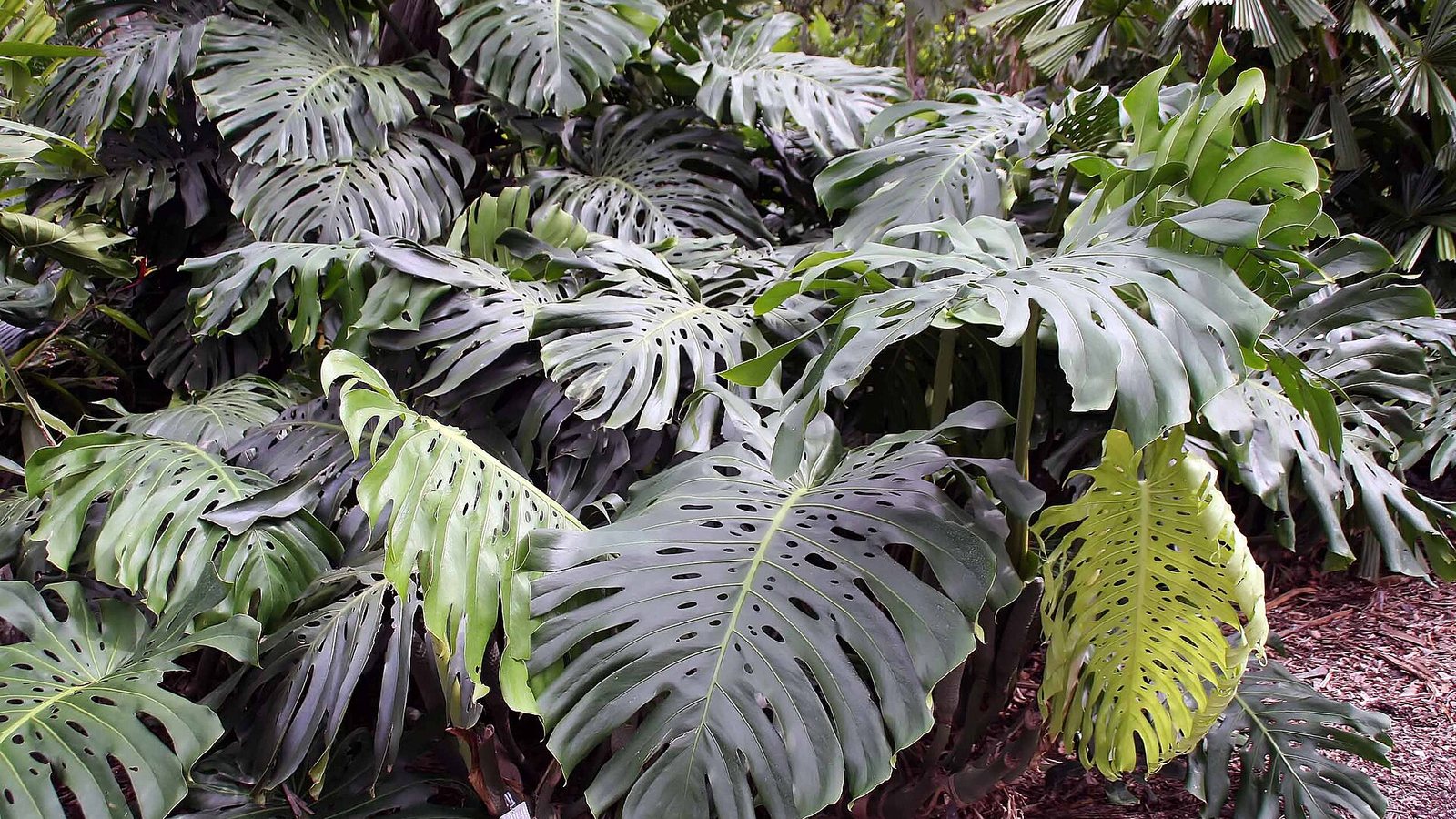
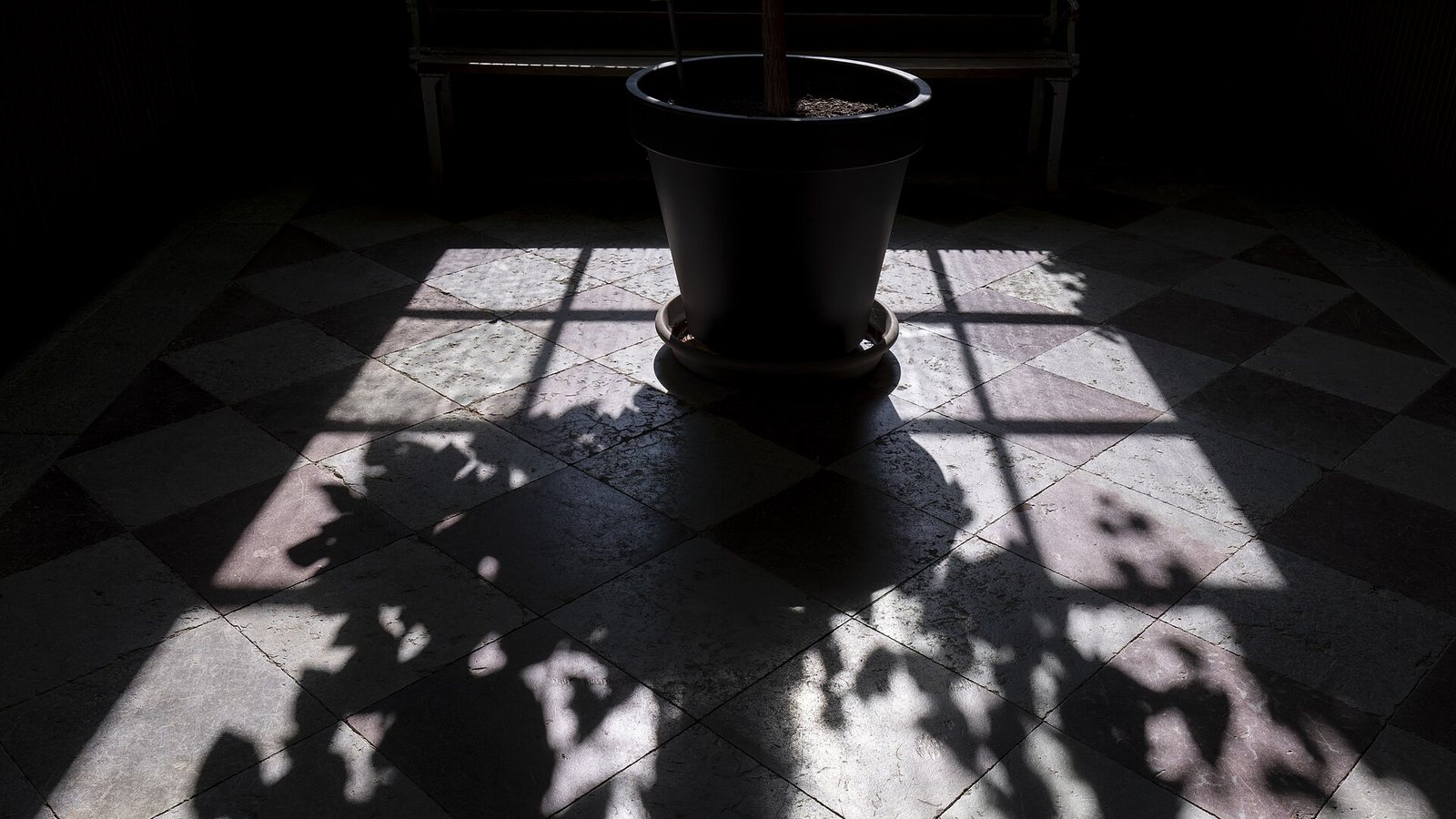
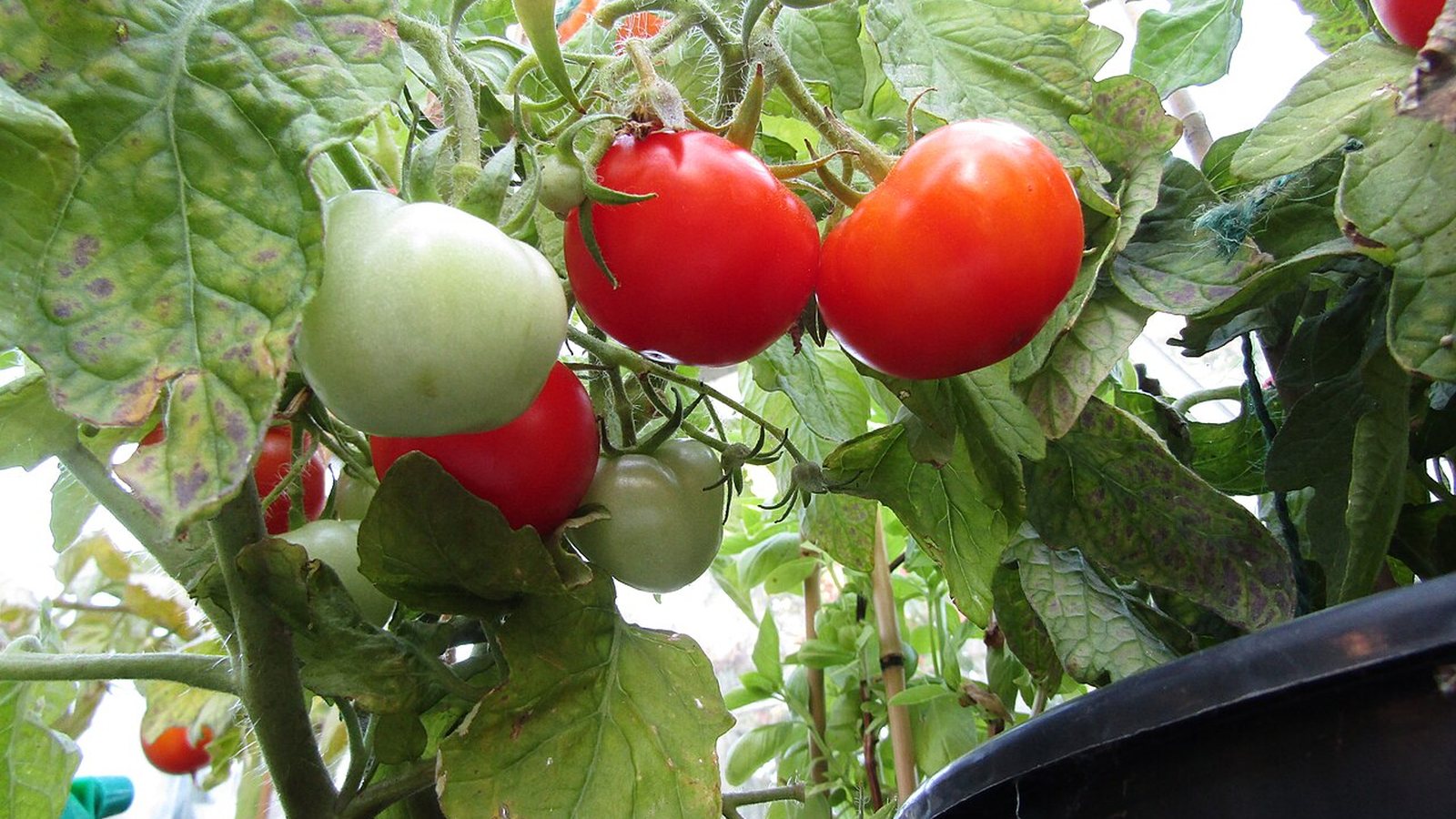 Photo: Kolforn ( Kolforn ) I'd appreciate if you could mail me (Kolforn@gmail.com) if you want to use this picture out of the W · CC BY-SA 4.0
There is no solid evidence that music or talking makes ordinary houseplants grow faster. Plants do respond to vibration, touch and wind, and some lab studies found reactions to sound, but research is thin. Penn State's horticulture head says light, water and nutrients matter far more. Talking is harmless, and it makes you notice problems sooner.
Key takeaways
- No solid evidence shows that music or talking makes houseplants grow faster at home.
- Plants do respond to vibration, touch and wind: the RHS says brushing makes them stockier.
- Talking only adds meaningful carbon dioxide if you did it for several hours a day.
- Light, water and nutrients matter most; temperature matters more than talk.
- Talk if you enjoy it: you will notice new leaves and problems earlier.
On this page10
- Do plants like music or being talked to?
- Music, talking, voices: claim check
- Where does the idea come from?
- What does the research on sound actually show?
- Does talking help because of carbon dioxide?
- What about the famous RHS tomato trial?
- What do plants respond to for sure?
- What really helps houseplants grow?
- So should you talk to your plants?
- How can you test it yourself?
Do plants like music or being talked to?
Here is the honest answer: nobody has shown that playing music or talking makes ordinary houseplants grow better at home. Plants do react to vibration, touch and wind, and a few lab studies found that sound changed gene activity or seed germination, but the research is thin. Penn State's head of horticulture put it plainly: there is not a lot of research, but there is evidence that plants respond to sound. What reliably helps plants is light, water and nutrients.
That does not make the idea silly, and it does not stop you from enjoying it. Below is what each popular claim rests on, what is known, and what to do instead if you want faster growth.
Music, talking, voices: claim check
| Claim | What the sources say | Verdict |
|---|---|---|
| Music makes houseplants grow faster | Lab work shows some responses to sound; no solid evidence for ordinary indoor growth | Unproven |
| Talking to plants helps through the carbon dioxide in your breath | You would have to talk for several hours a day to matter, says Penn State's Rich Marini | Not practical |
| Women's voices make plants grow taller | A small 2009 RHS trial with tomatoes; reported by NPR, not a controlled study | Fun, not proof |
| Plants respond to touch and breeze | The RHS says brushing and wind make plants stockier and more compact | True |
| Light, water and nutrients matter most | Penn State and the RHS agree | True |
Where does the idea come from?
It is older than you think. Penn State traces the theory that plants benefit from human conversation to 1848, when the German professor Gustav Fechner published a book about the soul-life of plants. It spread through gardening folklore: Prince Charles said in a 1986 interview that it is very important to talk to plants because they respond, and in 1970 an enterprising dentist even recorded an album called "Music to Grow Plants By". Popular belief, in other words, came long before the experiments.
What does the research on sound actually show?
Penn State's article, which interviewed its horticulture head, mentions two lab results. A 2007 paper from South Korea proposed that two genes involved in a plant's response to light were switched on by music played at 70 decibels, about the level of a normal conversation, and that the response differed with frequency. A Canadian paper reported that seed germination was affected by sound at 92 decibels, far louder than anyone speaks. The professor's guess is that plants respond to sound because sound is vibration, and wind or vibration is known to change how plants grow.
So the science says plants can detect vibration. It does not say that your playlist makes a monstera bigger. The studies used particular sounds at particular loudness, not a speaker in the living room, and a gene turning on is not the same as a plant growing better.
Does talking help because of carbon dioxide?
This is the other popular theory, and Penn State's professor is not convinced. Carbon dioxide does affect photosynthesis, but you would have to speak to your plants for at least several hours a day to raise it enough to change growth. A chat while you water adds almost nothing.
What about the famous RHS tomato trial?
In 2009 the Royal Horticultural Society had recorded voices read to tomato plants for more than a month, and NPR reported that plants hearing a woman's voice grew up to 5 cm (2 in) taller than those hearing a man's. One of the readers, a descendant of Charles Darwin, said she was not sure whether it was her voice or Darwin's prose that did it. It was a small trial run for public interest, not a peer-reviewed experiment, so treat it as a curiosity.
What do plants respond to for sure?
The RHS lists what plants sense: light, gravity, temperature and touch. Two of these are worth knowing.
- Touch and breeze. The RHS says that handling and brushing make plants produce more ethylene, which reduces stem stretching and gives stockier, more compact plants. Plants in exposed spots stay short and sturdy. This is why some gardeners run a hand over seedlings.
- Light. In good light plants stay compact, and in low light they become tall and spindly. If a plant is stretching, move it to a sunnier spot. Our guides to how much light houseplants need and the signs your plant needs more light explain how to tell.
What really helps houseplants grow?
Penn State's professor says the best thing you can do is give plants light, water and mineral nutrition, and adds that temperature matters more than talk. For the watering part, our guides on how to water houseplants and overwatering vs underwatering are the place to begin, and fertilizing houseplants covers feeding. If a plant is stalled, see why a plant is not growing.
So should you talk to your plants?
If you like it, yes, and there is no harm. A practical reason is that someone who talks to a plant is looking at it. You notice a new leaf, a droop or a pest sooner, and that is the part that helps. Flori's care reminders and care log can turn that habit into a routine: set watering and feeding reminders, and log changes for each plant in your collection. Just do not keep the music loud: the 92 decibel level in the Canadian paper is far louder than anyone needs at home.
How can you test it yourself?
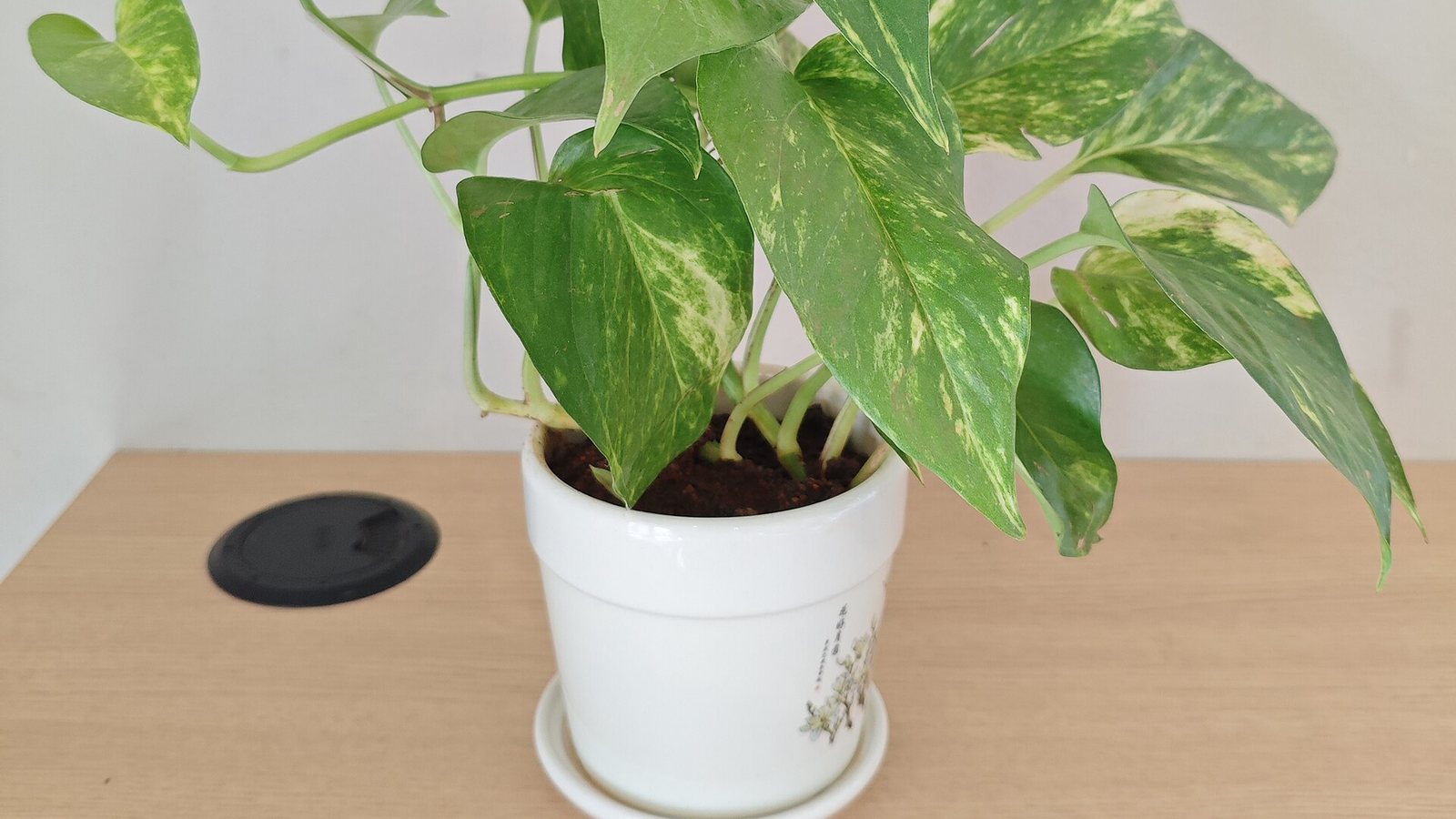
- Pick two identical plants, such as cuttings of the same pothos.
- Keep everything else equal: same window, same pot, same water, same feeding.
- Play music or talk to one for a fixed time every day, at a normal volume.
- Measure the same thing weekly: new leaves, height or stem length, written down.
- Run it for at least a couple of months and swap the plants' positions halfway to rule out a better window.
Whatever the result, you will have learned something about the light in your room. If the two plants differ, blame light, pot and water before sound. One test on one plant is not scientific proof, but writing down what you see is the easiest way to get to know your plants.
Frequently asked questions
Does music help plants grow?
There is no solid evidence that music improves growth of ordinary houseplants. Lab studies cited by Penn State found some responses to sound, such as gene activity at 70 decibels, but the research is limited.
Does talking to plants help them grow?
Not in any proven way. The carbon dioxide in your breath would only matter if you spoke to plants for several hours a day, according to Penn State's head of horticulture. Light, water and nutrients matter far more.
Do plants respond to touch?
Yes. The RHS says handling and brushing make plants produce more ethylene, which reduces stem stretching and gives stockier, more compact plants.
Is it harmful to play loud music to plants?
There is no evidence it helps, and the sound levels in lab studies (70 to 92 decibels) are higher than needed at home. Keep it at a normal volume, mainly for yourself and your pets.
How much light houseplants need: low, medium and high light by window and distance, which plants fit each level, daily hours and seasonal changes.
Sources
Written and fact-checked by the Flori team. Every guide cites horticultural sources such as the RHS, university extension services and the ASPCA, and is updated when the advice changes. How we write our guides
General plant care information. Plants vary; when a plant is valuable or a problem spreads quickly, consult a local nursery or plant specialist.