How to Keep Cats Away From Your Plants
Keep cats out of your plants safely: toxic plants out of reach, stones on the soil, heavy pots, a cat-safe pot, and why citrus peels and oils are risky.
 By Flori editorial team · Updated
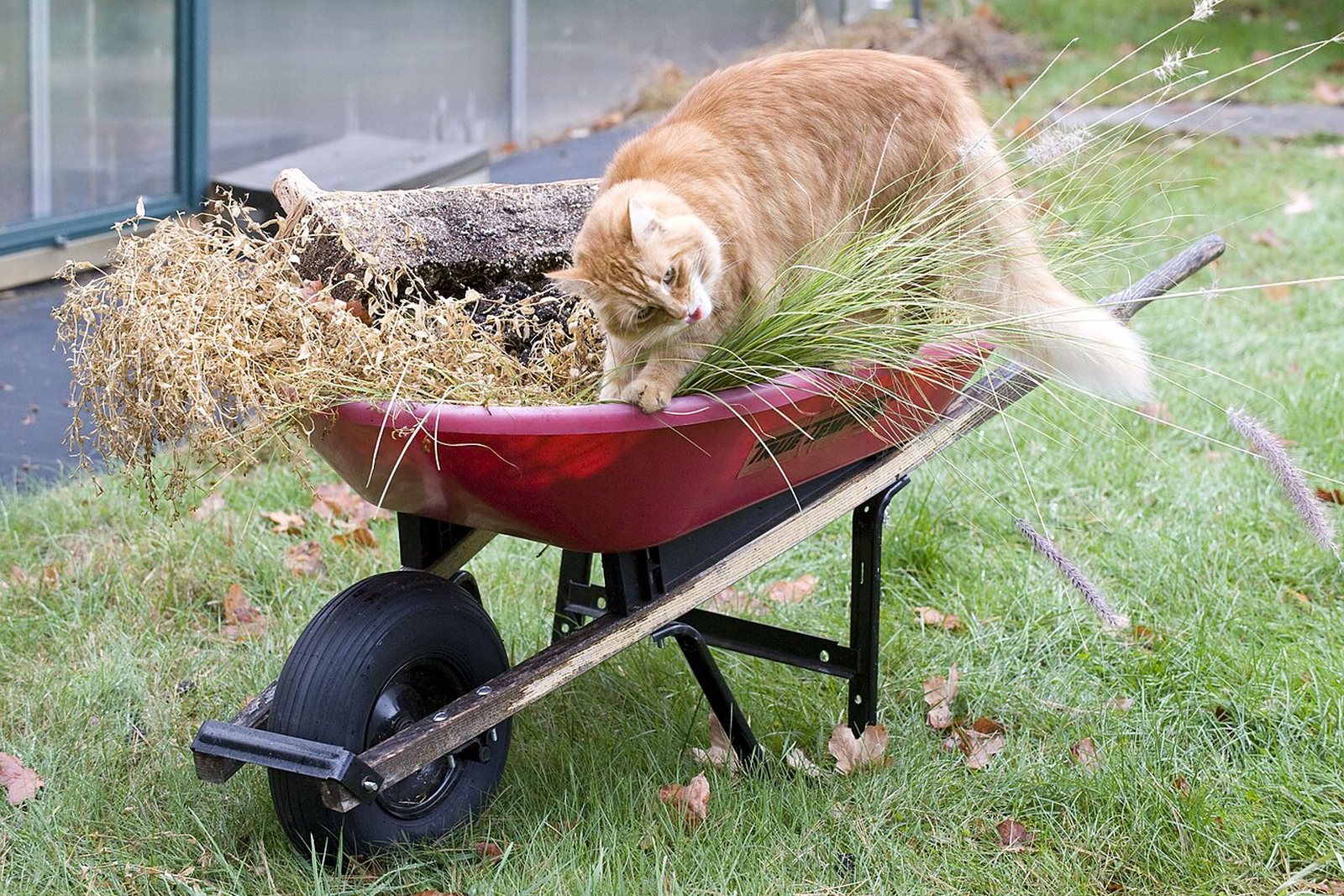
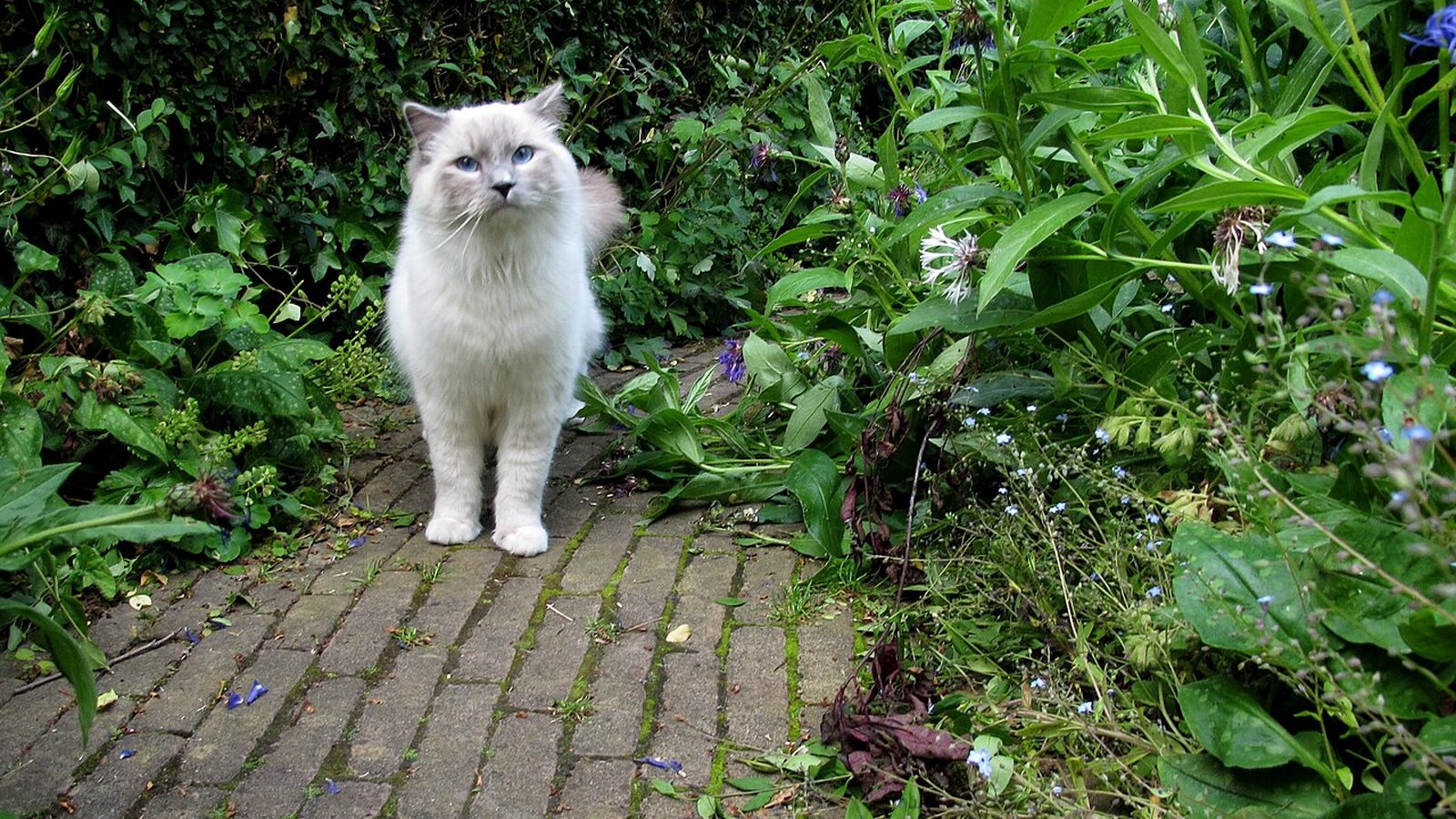 Photo: WeeJeeVee · CC BY-SA 4.0
Move toxic plants out of reach first, then cover the soil with large stones or wire, use heavy pots and give the cat its own safe plant. Skip citrus peels and essential oils indoors: the ASPCA lists citrus as toxic to cats and says cats are especially sensitive to essential oils.
Key takeaways
- Put toxic plants in a room the cat cannot enter; deterrents do not stop a determined cat.
- Large stones, chicken wire or netting on the soil stop digging; heavy pots stop tipping.
- Citrus peels and essential oils are popular but risky for cats; the ASPCA lists citrus, lavender, eucalyptus and mint as toxic.
- Offer a cat-safe pot of its own so chewing has a better target.
- If your cat eats a toxic plant, call your vet or the ASPCA hotline at (888) 426-4435 at once.
On this page8
- How do you keep cats away from your plants?
- Step 1: Which of your plants are dangerous?
- Which physical barriers keep cats out of pots?
- Do citrus peels and essential oils keep cats away?
- How do you keep cats out of a garden or balcony?
- What can you give a cat instead?
- What if your cat eats a toxic plant anyway?
- A one-evening plan
How do you keep cats away from your plants?
The methods that work are boring ones: put the toxic plants where the cat cannot go, make the soil unpleasant to dig in, and give the cat something better to chew. The popular tip that does the most harm is the smell trick. Orange and lemon peels or a splash of essential oil are repeated everywhere as "safe" cat repellents, yet the ASPCA lists lemon, orange and lime as toxic to cats and warns that cats are especially sensitive to essential oils. This guide ranks what to try, from safest to riskiest, for indoor plants, a balcony and a garden.
| Method | Works for | Caution |
|---|---|---|
| Move toxic plants out of the cat's rooms or up high | Chewing and poisoning risk | Check each plant in the ASPCA list first |
| Cover the soil with large stones, pinecones or river rocks | Digging in pots | Use stones too big to swallow; OSU Extension lists large river rocks and pinecones |
| Chicken wire or netting laid on the soil | Digging in beds and big pots | OSU suggests black bird netting 2.5-5 cm (1-2 in) above the soil, secured with stakes |
| Heavy pots and a closed door or shelf | Knocked-over pots | Cats tip light pots |
| Motion-activated sprinkler (outdoors) | Garden and balcony | OSU calls it a humane method; cats learn to avoid the area |
| Citrus peels or essential oils | Often claimed, weak evidence | Avoid indoors: citrus and several oils are toxic to cats |
Step 1: Which of your plants are dangerous?
Deciding what to protect starts with what is toxic. The ASPCA warns that eating any plant material may cause vomiting and stomach upset in cats and dogs, but some plants are far worse. These common ones are on the ASPCA toxic list for cats:
- Lemon, orange and lime trees (citrus)
- Lavender and eucalyptus
- Garden mint and lemongrass, plus catnip
- Aloe
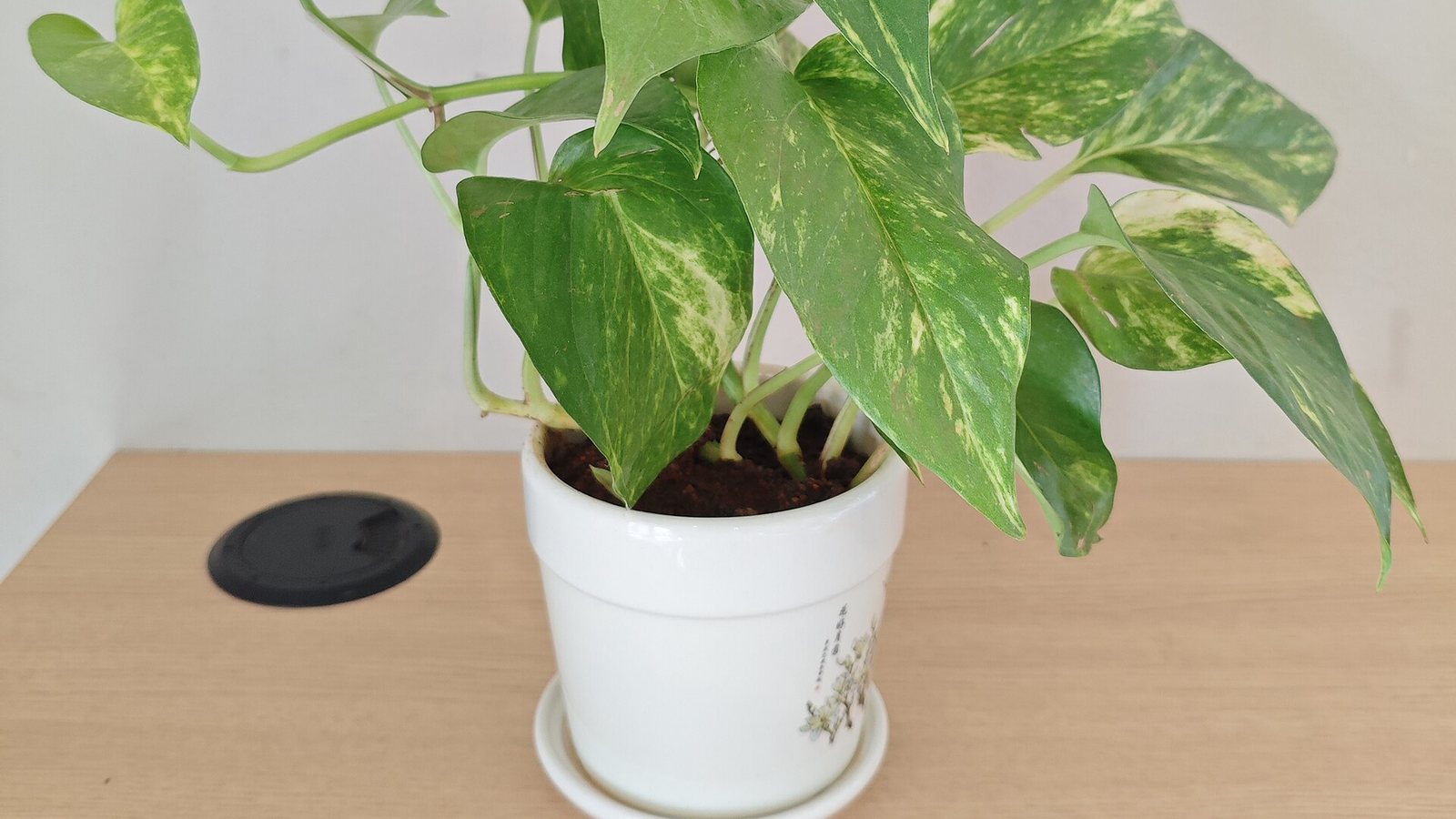
- Pothos (devil's ivy)
- Coffee tree
Lilies are in a separate class; read our guide on lilies and cats before you keep any in a home with a cat. For a longer list, see houseplants toxic to cats. Whatever you decide, a toxic plant should be somewhere the cat cannot reach or enter, not just "deterred". Deterrents fail on a determined cat. If you are not sure what a plant is, Flori can identify it from a photo, and its care profile shows toxicity.
Which physical barriers keep cats out of pots?
OSU Extension's guide to protecting gardens from cats lists textures that cats dislike underfoot: large river rocks, pinecones, crushed eggshells, wooden stakes about 20 cm (8 in) apart, plastic carpet runners laid spike-side up, chicken wire laid flat so the plants grow through, and mulch that covers bare soil. Indoors, the same idea works on a small scale.
- Cover the soil. A layer of large smooth stones or a cut-out circle of chicken wire stops digging. Keep stones big enough that a cat cannot swallow them.
- Use a heavy pot. A heavy ceramic or terracotta pot is harder to tip. See our guide to pot materials.
- Change the height. Hanging planters, tall plant stands and shelves behind a closed door remove the temptation.
- Group the plants. One closed plant room or a glass cabinet is easier than guarding twenty windowsills.
Fresh mulch and newly turned soil attract cats, according to OSU, so cover soil after repotting.
Do citrus peels and essential oils keep cats away?
OSU Extension includes citrus peels in its garden advice, with the notes that the scent fades, so peels need replacing, and that peels may attract slugs, rodents or raccoons. It also lists essential oil sprays (eucalyptus, lavender, citronella, peppermint, lemongrass) for garden mulch, and notes that store-bought repellents have no solid scientific proof of consistent success and need frequent reapplication. Those are garden tips for open beds, not for a home.
Indoors and on a balcony where your own cat goes, the ASPCA view is the one to follow: it lists lemon, orange, lime, lavender, eucalyptus, mint and lemongrass as toxic to cats, and says that cats are especially sensitive to essential oils, with possible stomach upset, central nervous system depression and liver damage if ingested, and aspiration pneumonia from inhaling them. It advises against essential oils in areas your pets can reach unless they are supervised or your vet approves. So the myth to drop is "natural means safe for cats". Coffee grounds are another popular deterrent; the ASPCA lists the coffee tree as toxic and our coffee grounds guide treats grounds as a risk around pets.
How do you keep cats out of a garden or balcony?
Outdoor cats, including neighbourhood and street cats, are a different problem: you want them out of your beds, not out of your life. These methods come from OSU Extension and are humane.
- Netting or chicken wire on the soil, secured with landscape staples. Plants grow through; cats dislike the wobble.
- Motion-activated sprinkler. It senses movement up to about 12 m (40 ft) away and sprays a short burst, roughly half a litre (two cups). Cats learn to avoid the area.
- Mulch or stones over bare soil so it is less inviting.
- Ultrasonic devices are mixed: OSU says cats vary in how bothered they are, so look for models with independent test data.
Cat waste can carry parasites such as toxoplasmosis and ringworm, so wear gloves, wash your hands and never compost it. On a balcony, pick plants that tolerate being nibbled. In warm Aegean and Mediterranean regions, where cats are outside most of the year, leave a shady, safe spot for them rather than turning the whole terrace into a barrier.
What can you give a cat instead?
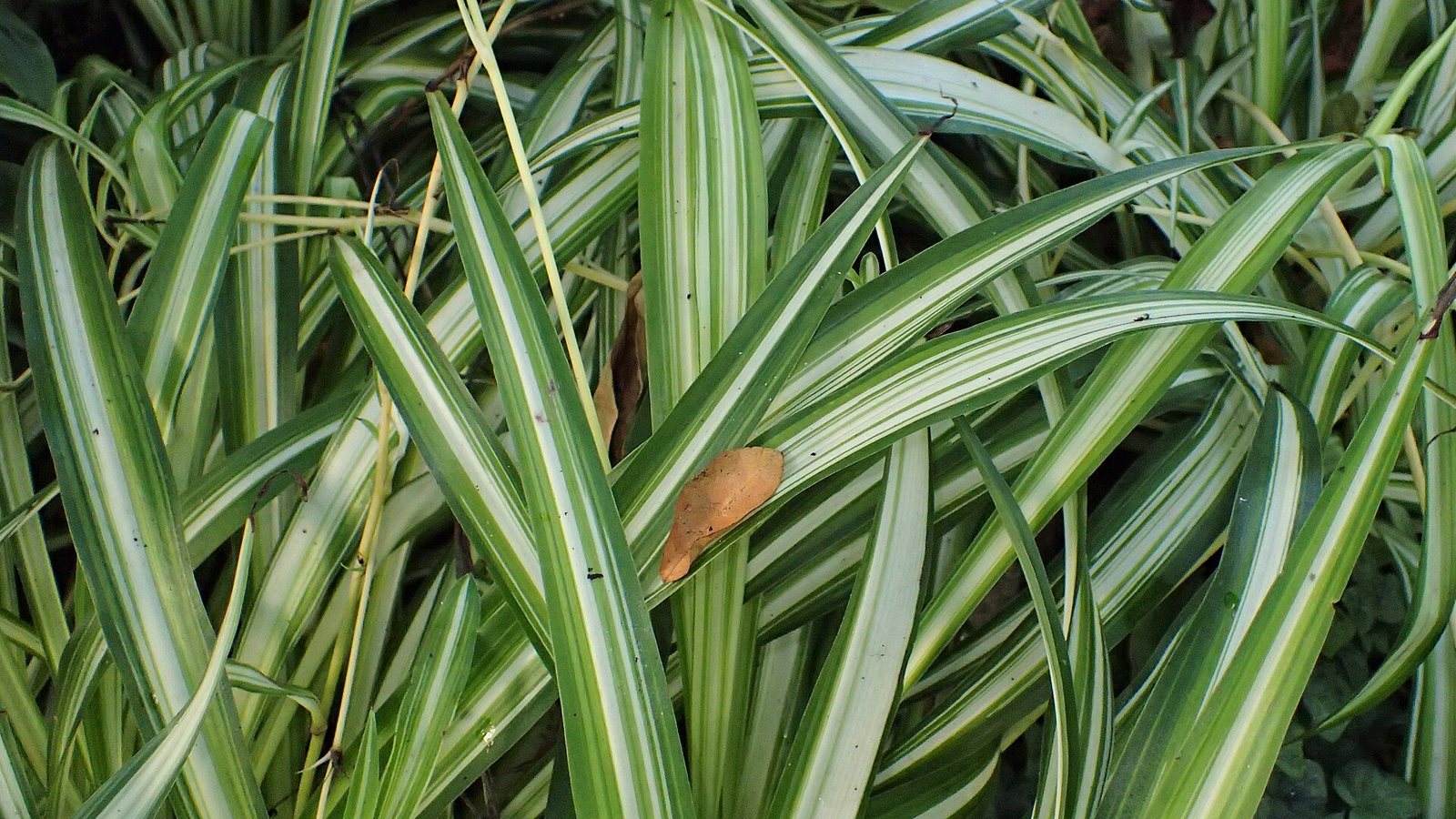
Redirecting works better than only blocking. Give the cat its own plant at its level, away from the ones you want to protect. The ASPCA lists spider plant as non-toxic to cats, and our guide to plants safe for cats to chew covers herbs, ferns and a sensible way to set up a chewing corner. Even non-toxic plants can cause vomiting if eaten in quantity, so offer small pots and replace them when they look chewed. If your cat suddenly eats a lot of plants, mention it to your vet.
What if your cat eats a toxic plant anyway?
Act fast. Take the plant away, wipe any leaf from the mouth, and call your vet or the ASPCA Animal Poison Control Center on (888) 426-4435 straight away. A consultation fee may apply. Take a photo or a leaf of the plant with you. Do not give home remedies or try to make your cat vomit. Our guide my cat ate a plant lists the steps in order. In Türkiye, call your own vet; the 114 UZEM line is for people, not animals.
A one-evening plan
- Identify every plant and check it in the ASPCA cat list.
- Move the toxic ones to a room the cat cannot enter or a high shelf.
- Put stones or wire on the soil of the rest and use heavy pots.
- Skip citrus peels and essential oils around the cat.
- Add one cat-safe pot of its own.
Frequently asked questions
What smell keeps cats away from plants?
Citrus is the usual answer, but the ASPCA lists lemon, orange and lime as toxic to cats and warns that cats are especially sensitive to essential oils. Physical barriers are safer than smells.
Does aluminium foil or double-sided tape keep cats off plants?
We found no extension or ASPCA source that tests either, so we do not recommend them as proven. Stones, wire or netting on the soil have an extension source behind them.
How do I stop my cat digging in plant pots?
Cover the soil with large stones, pinecones or a circle of chicken wire, use a heavy pot, and avoid fresh mulch, which OSU Extension says attracts cats.
Are motion-activated sprinklers safe for cats?
OSU Extension calls them a humane way to keep cats out of a garden: they spray a short burst of about half a litre (two cups) and cats learn to avoid the area.
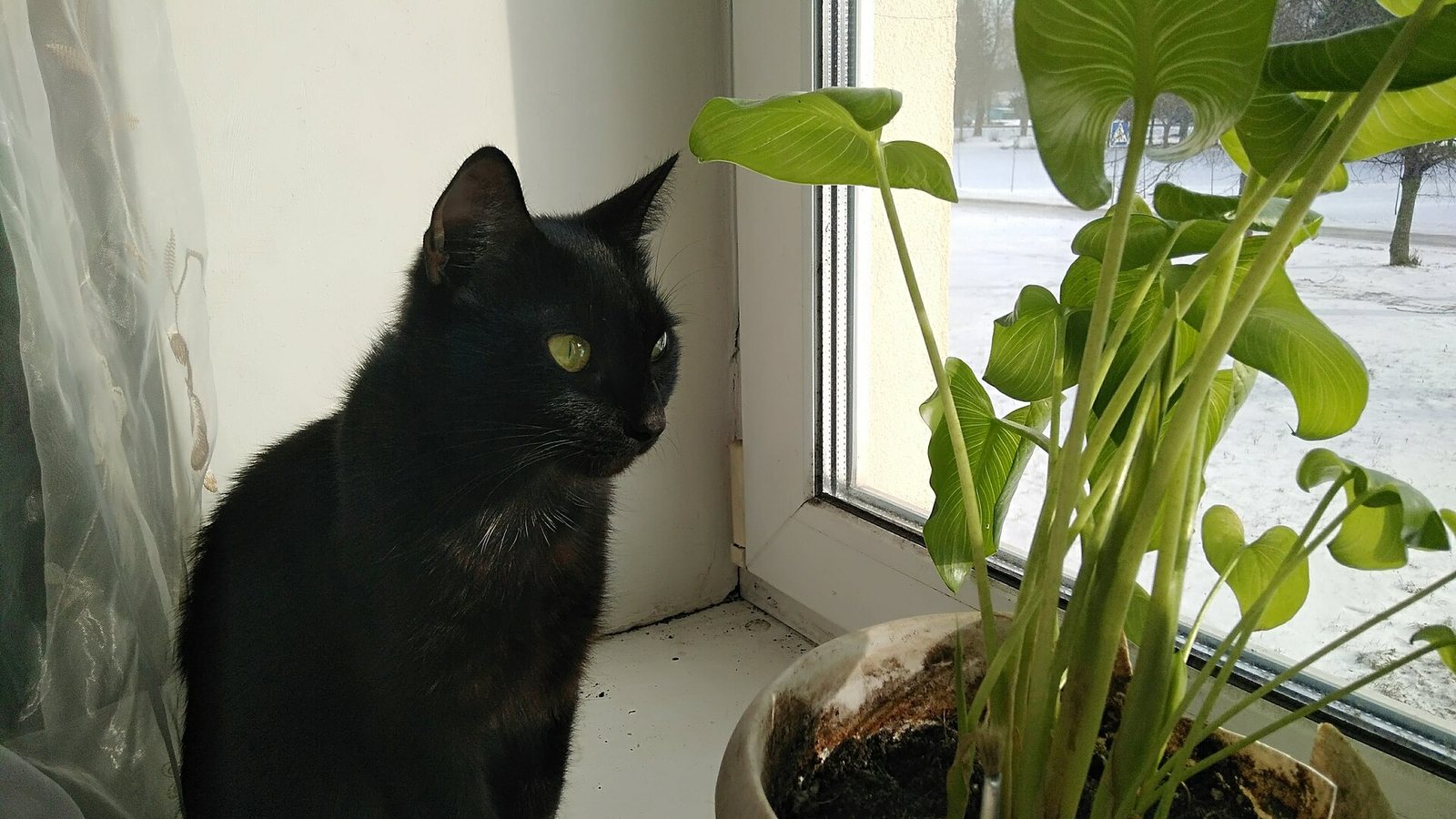
15 common houseplants toxic to cats per the ASPCA, grouped by what they do: kidney and liver emergencies, mouth irritants, stomach upsets. What to do next.
Sources
Written and fact-checked by the Flori team. Every guide cites horticultural sources such as the RHS, university extension services and the ASPCA, and is updated when the advice changes. How we write our guides
General plant care information. Plants vary; when a plant is valuable or a problem spreads quickly, consult a local nursery or plant specialist.