Houseplant Problem Chart: Find the Cause by Symptom
Match what you see on your plant to its likely cause: yellowing, brown tips, drooping, sticky leaves, spots or webbing. One chart, with what to check first.
 By Flori editorial team · Updated
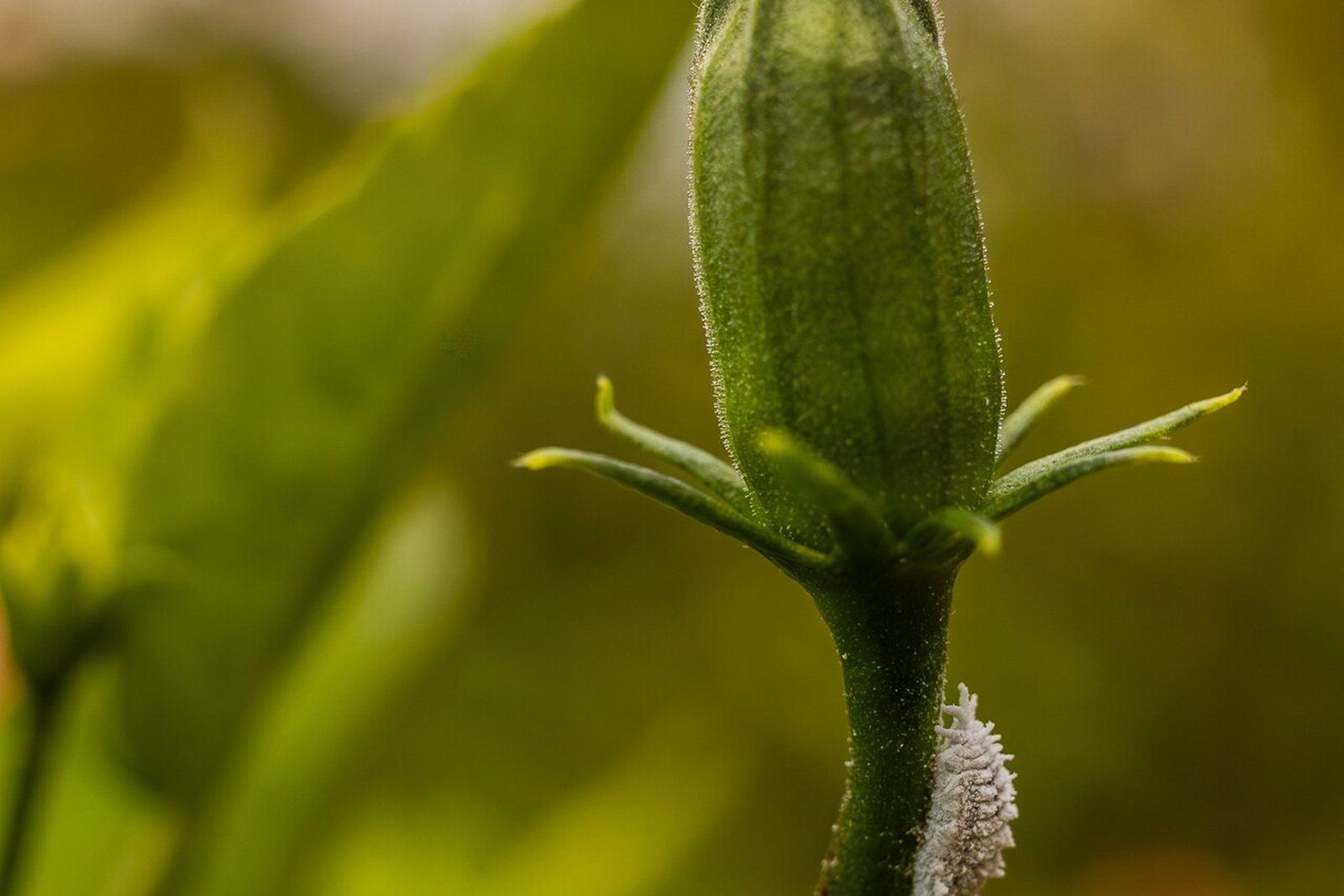
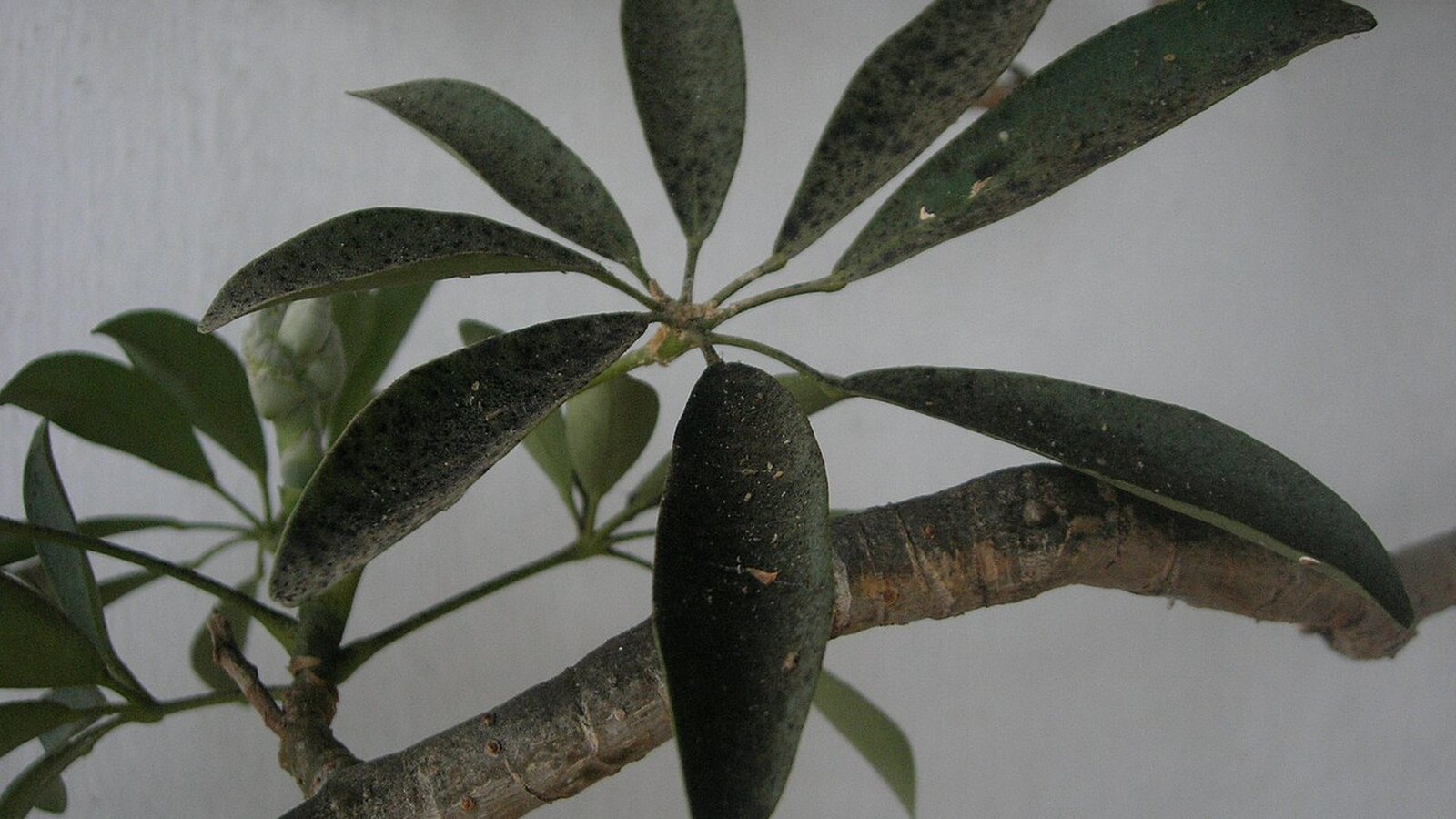 Photo: Amnon Shavit · CC BY-SA 3.0
Match the symptom to its most likely cause: yellow leaves and wilting usually point to watering or roots, brown tips to dry air or salts, sticky leaves to sap-sucking pests, webbing to spider mites. Check soil moisture, light and leaf undersides before treating, because the environment is the most common cause.
Key takeaways
- Check the environment first: extension services say many symptoms blamed on pests or disease come from watering, light or the pot.
- Overwatering is the most common cause of yellowing, wilting and leaf drop.
- Sticky leaves mean sap-sucking pests; fine webbing means spider mites.
- Isolate sick plants and quarantine new ones for about three weeks.
- Change one thing at a time and give it a couple of weeks before judging.
On this page8
- How do you find the cause of a houseplant problem by its symptom?
- The 60-second check to do before anything else
- Houseplant problem chart: symptom, likely cause, what to check
- Why are the leaves yellow or brown?
- Why is the plant dropping leaves or wilting?
- Is it a pest or a disease?
- Three myths the chart helps you drop
- What if the chart does not give a clear answer?
How do you find the cause of a houseplant problem by its symptom?
Start with the symptom, not the cure: match what you see to the chart below, then check the first thing in the last column before you spray, repot or fertilize anything. Extension services agree on one point that saves a lot of plants: many symptoms blamed on insects or disease turn out to be caused by the plant's environment, with overwatering the most common culprit. The University of Maryland Extension even calls overwatering the number one reason indoor plants fail. So the chart starts with water, light and roots, and moves to pests and disease only when those check out.
The 60-second check to do before anything else
- Push a finger 3-5 cm (1-2 in) into the soil. Soggy, damp or bone dry? Does the pot drain?
- Look at the light. Is the plant in harsh direct sun, or far from any window?
- Turn over a few leaves. Look for webbing, cotton-like tufts, dots or sticky residue on the undersides.
- Note the pattern. Which leaves are affected (old or new), how fast it is spreading and whether the plant has stopped growing. The University of Maryland says this pattern and progression point to the cause.
- Check the roots if the plant is wilting in wet soil. Healthy roots are firm; rotted roots are soft and brown or black.
Houseplant problem chart: symptom, likely cause, what to check
This table is built from the Clemson, Penn State and University of Maryland extension pages listed at the end. Causes are listed from most to least likely; a plant often has more than one.
| What you see | Most likely cause | Check or do first |
|---|---|---|
| Whole plant yellowing | Usually overwatering; also too little light or fertilizer, pests or mites | Soil moisture, drainage, roots |
| Lower leaves yellow, then brown and die | Nitrogen or iron shortage, often in pot-bound plants; prolonged dryness | Last feed, roots circling the pot |
| Brown tips or edges, crust on soil | Hot dry air, watering habits, salt build-up, chlorine or fluoride in tap water | Flush the pot, empty the saucer, let tap water stand 24 hours |
| Leaves dropping | Over- or underwatering, pot too small, a sudden move, chilling | Watering, draughts, pot size |
| Wilting, soil wet | Root or stem rot, often from overwatering | Roots: soft and brown or black means rot |
| Wilting, soil dry | Too little water, pot-bound roots, salt build-up | Soak, then check for roots filling the pot |
| Sticky leaves or floor beneath | Honeydew from aphids, whiteflies, mealybugs or scale | Leaf undersides and stems |
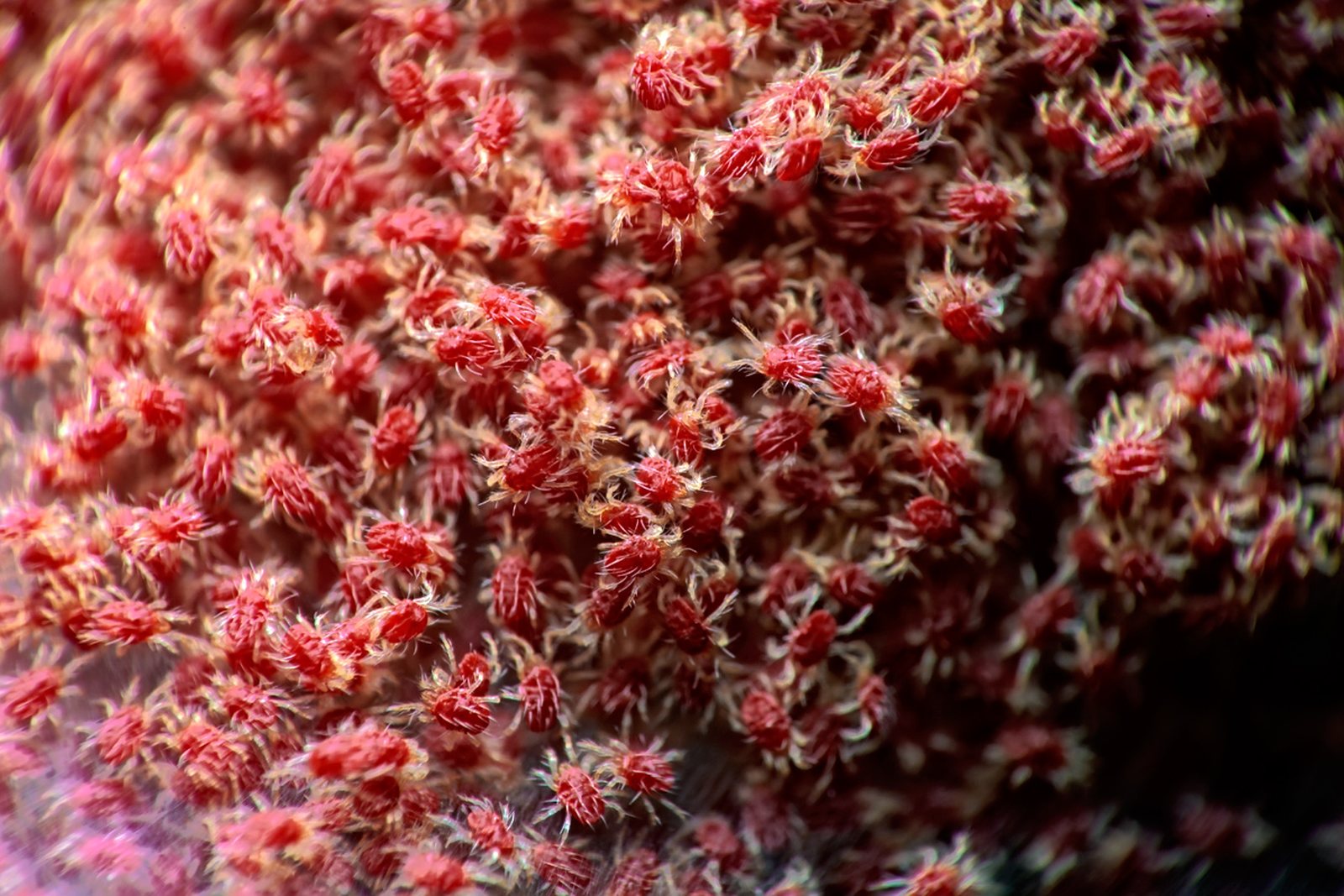
| Fine webbing, pale stippling | Spider mites, which like hot, dry conditions | Undersides, a white sheet held under a leaf |
| White cottony tufts | Mealybugs | Stem joints, leaf bases |
| Small flies over the soil | Fungus gnats; the larvae damage roots | Is the top soil always wet? |
| Brown or black spots, often with a yellow halo | Leaf-spot fungus; water-soaked spots can be bacterial | Water on leaves, crowding, airflow |
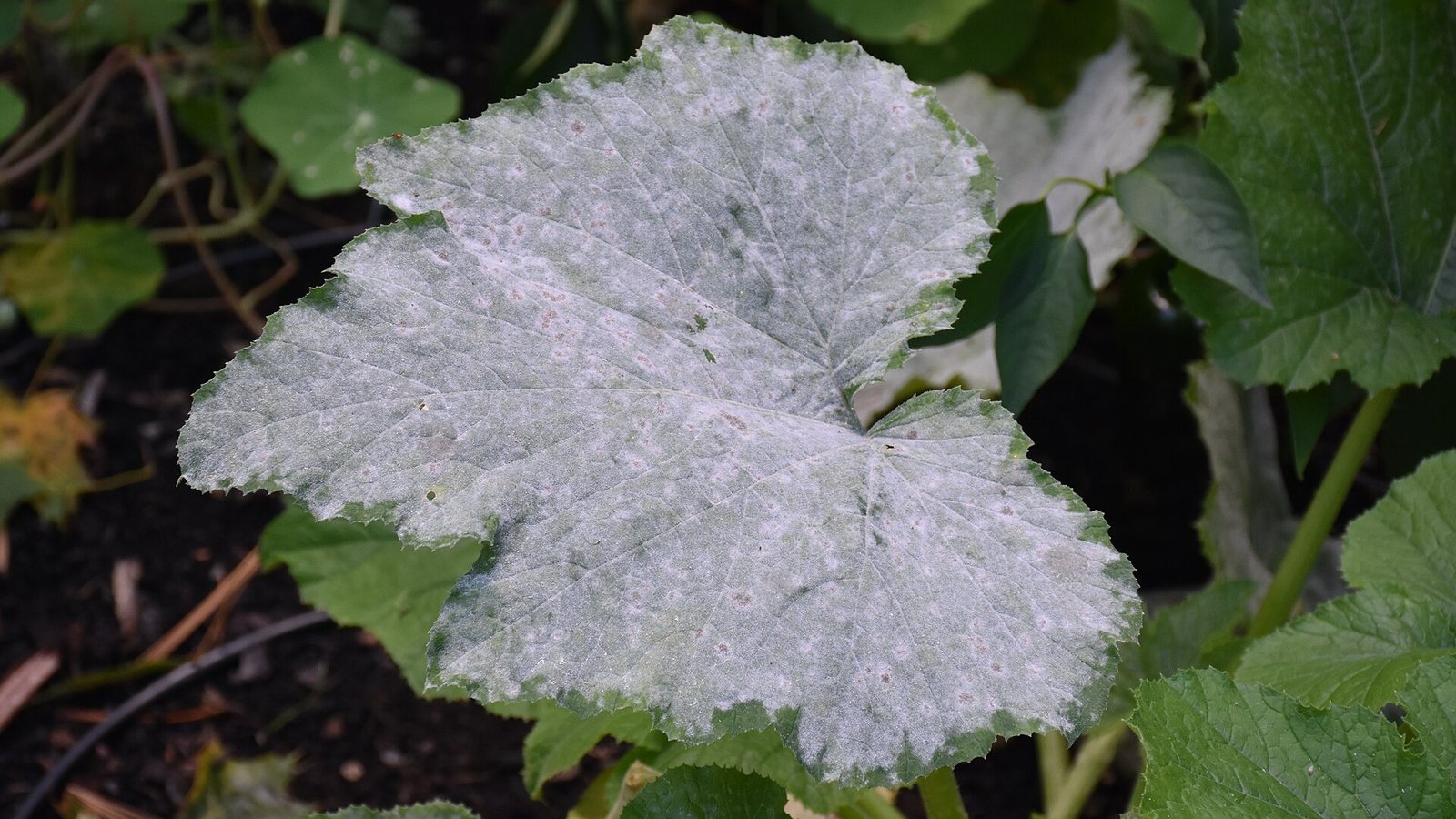
| White powdery coating | Powdery mildew | Airflow and humidity |
| Rough corky bumps under leaves | Oedema from excess soil moisture, poor light and cool temperatures | Watering frequency, light |
| White or straw-coloured spots | Cold water or water splashed on leaves | Use room-temperature water at the base |
| Flower buds dropping | Too little or too much fertilizer or water, or cold water spray | Routine and temperature |
Why are the leaves yellow or brown?
Colour change is the most common houseplant complaint, and it is usually about water, light or the pot. Yellow means stress, and if the condition continues the yellow leaves may turn brown, according to the University of Maryland. Clemson adds that lower leaves that yellow, brown and die usually point to a nitrogen or iron shortage, especially in pot-bound plants, while a plant that yellows all over most often needs its soil and roots checked. Our yellow leaves diagnosis guide goes through it step by step. Brown tips are a different pattern from whole leaves browning: see what causes brown leaf tips.
Why is the plant dropping leaves or wilting?
Clemson Extension lists over- or underwatering, a pot that is too small, a sudden change of environment, chilling and insects or disease as causes of leaf drop. After a move or a cold draught, it says to expect environmental drop to last about three weeks, so do not keep changing the routine. Wilting has a pair of opposite causes: too little or too much water. That is why the finger test matters: dry soil means water, wet soil means look at the roots. For the full picture, see why plant leaves fall off and why a plant is drooping. If the roots are rotten, follow the root rot rescue plan.
Is it a pest or a disease?
Look for the creatures before you reach for a product. Penn State Extension lists the signs: sticky residue (honeydew) points to aphids, whiteflies, mealybugs or scale, and it can grow sooty mould; fine webbing and bronze or grey stippling point to spider mites; white cottony clusters to mealybugs. Our sticky leaves guide tells them apart.
- Isolate first. Penn State advises keeping affected plants apart, and quarantining new or newly moved plants for about three weeks.
- Least toxic first. Hand-pick, rinse both sides of the leaves with warm water, or dab with an alcohol-dipped cotton swab. For heavy infestations Penn State mentions insecticidal soap or horticultural oil, applied to the undersides and always following the label.
- Diseases. Remove infected leaves quickly, avoid crowding and wet foliage and improve airflow. Penn State advises discarding severely affected plants. Clemson notes that for root rot, fungicides often cost more than a new plant.
Three myths the chart helps you drop
- "Brown leaves mean it needs more water." Brown tips and edges can come from dry air, salts in the soil or tap water chemicals, and overwatering can cause browning too.
- "Every yellow leaf means a pest." Environment first, per the University of Maryland: check water, light and pot before treating.
- "Misting fixes everything." Clemson advises against misting foliage in anthracnose, and wet leaves help leaf-spot diseases spread.
What if the chart does not give a clear answer?
Plants often have two problems at once, such as a pot-bound plant that is also underwatered. Fix the simplest cause first, change one thing at a time and give it a couple of weeks. Flori can help: Dr. Flori asks follow-up questions, names the likely cause from a description or photo and tells you how urgent it is, and Plant Hospital keeps a sick plant under watch with a follow-up plan. Photographing the same leaf once a week also shows whether the problem is spreading or stable.
Not sure which plant you have? Flori can identify it from a photo, which tells you what its light and water needs should be. Always follow the label of any product, keep sprays away from pets and children, and if a pet has chewed a plant, call your vet.
Frequently asked questions
What is the most common cause of houseplant problems?
Watering, usually too much. The University of Maryland Extension calls overwatering the number one reason indoor plants fail. Check soil moisture and drainage first.
How long does a plant take to recover after leaves drop?
Clemson Extension says to expect environmental leaf drop, from a move or a chill, to last about three weeks. Keep the routine steady rather than changing it repeatedly.
How can I tell a pest from a nutrient problem?
Pests leave evidence: sticky residue, webbing, cottony tufts or tiny insects under leaves. Nutrient and water problems show as a pattern, such as lower leaves yellowing evenly, with no insects present.
Should I throw away a plant with root rot?
If most roots are dark, soft and dead, Clemson says to discard it. If some roots are still firm, cut the rotted ones away, repot in fresh mix and water less.
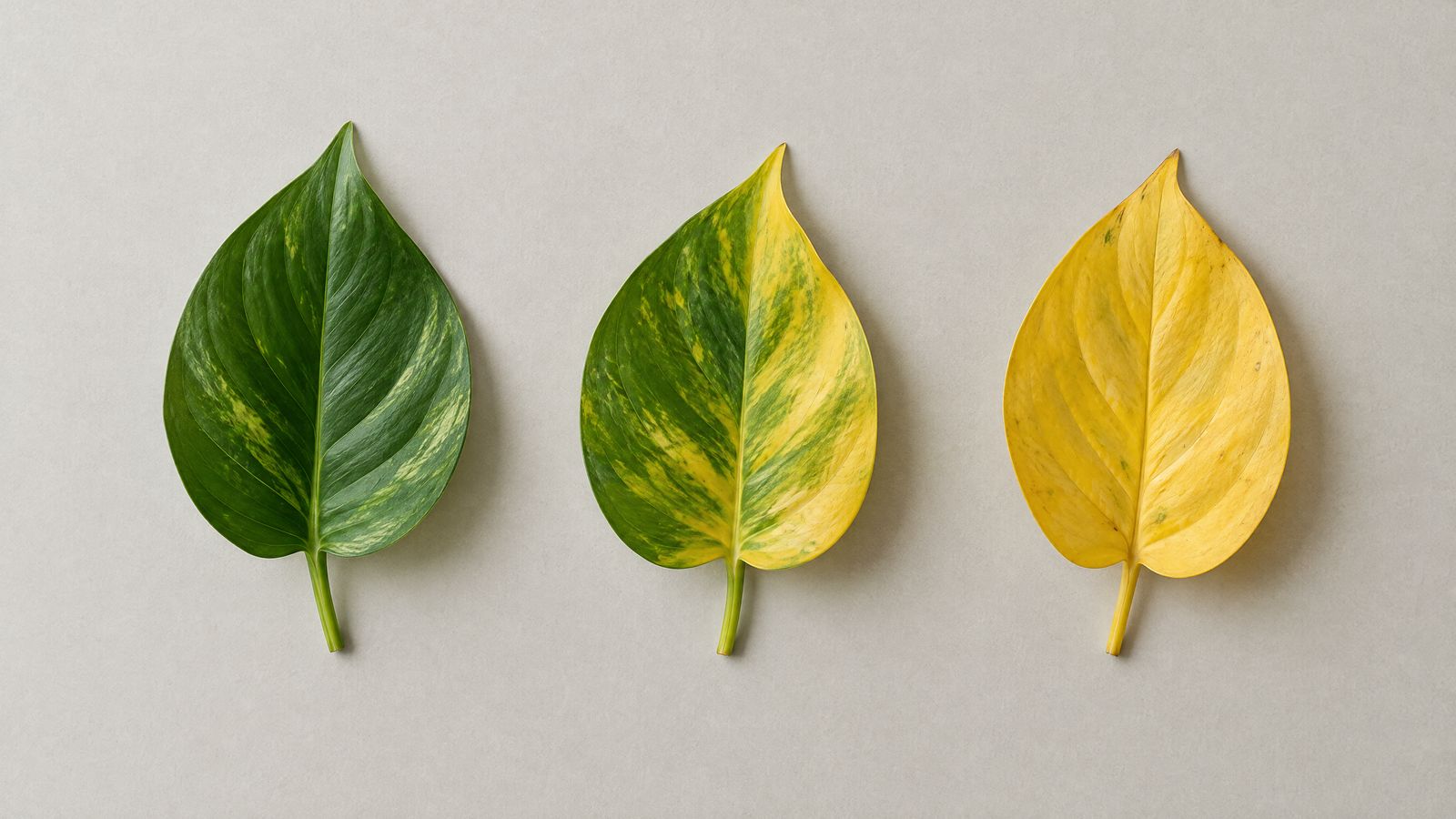
Why are your plant's leaves turning yellow? Read which leaves yellow first, check soil and roots, and match the pattern to its cause and first fix.
Sources
Written and fact-checked by the Flori team. Every guide cites horticultural sources such as the RHS, university extension services and the ASPCA, and is updated when the advice changes. How we write our guides
General plant care information. Plants vary; when a plant is valuable or a problem spreads quickly, consult a local nursery or plant specialist.