How to Divide Houseplants: Peace Lily, Spider Plant and More
Divide a crowded peace lily, spider plant or snake plant in spring: which plants split well, the steps, the tools, aftercare and the sap and pet warnings.
 By Flori editorial team · Updated
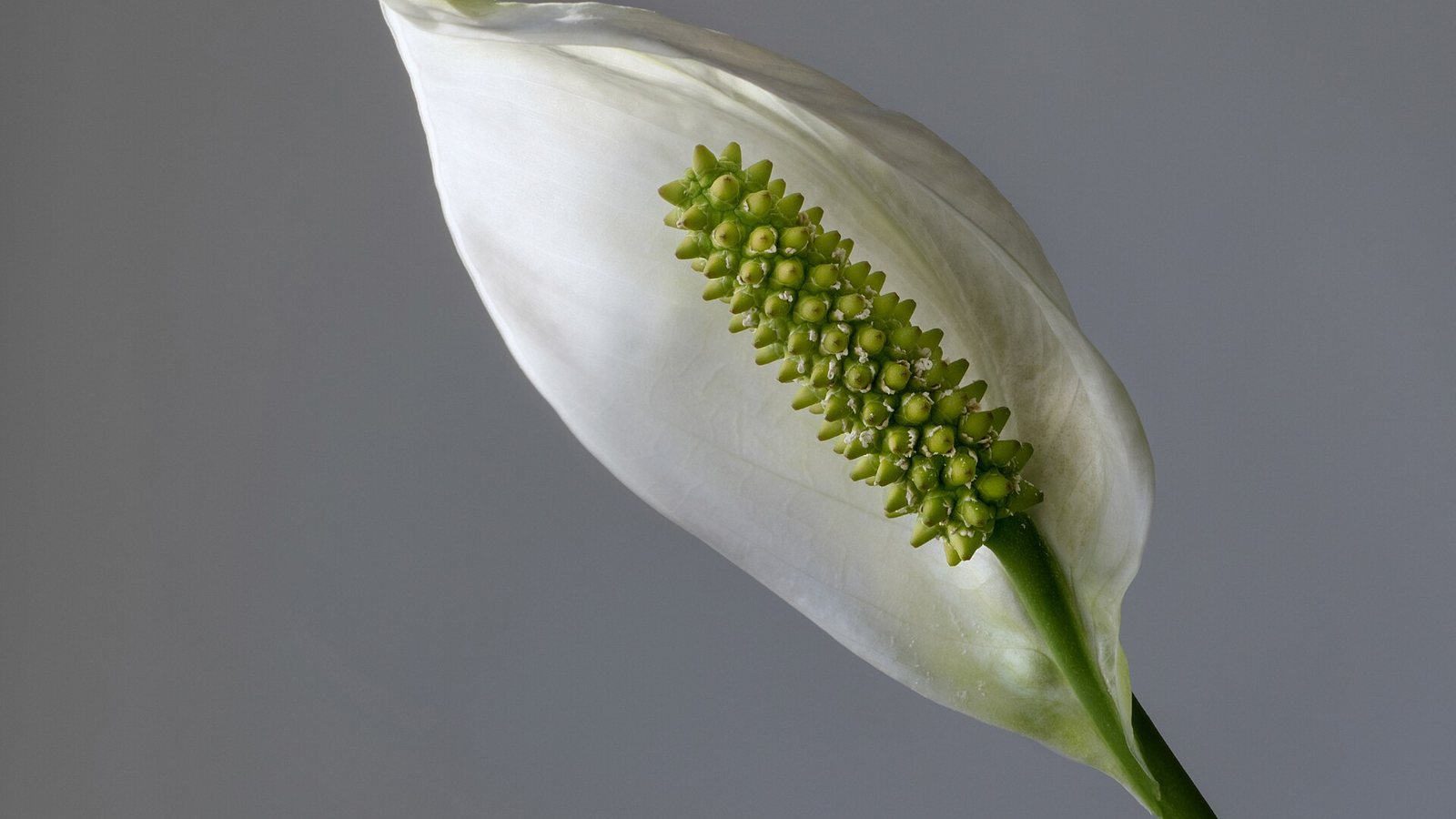 Photo: W.carter · CC BY-SA 4.0
Divide a houseplant in spring by tipping it out, teasing or cutting the root ball into pieces that each have healthy roots and several stems or leaves, and potting each piece at once in fresh free-draining compost. It suits clump-formers such as peace lily, spider plant, snake plant and some orchids.
Key takeaways
- Divide clump-forming plants in spring: peace lily, spider plant, snake plant and orchids that grow in clumps all split well.
- Every piece needs its own roots and at least one growing point or several stems, otherwise it will sulk or die.
- Pull the root ball apart by hand where you can and use a clean, sharp knife only for thick, tangled roots.
- Pot divisions straight away in fresh free-draining compost, in pots only a little bigger than the root ball.
- Wear gloves: peace lily and snake plant sap can irritate skin, and both plants are toxic to cats and dogs.
On this page7
When is dividing a houseplant the right move?
Dividing a houseplant means splitting one crowded clump into several smaller plants, each with its own roots. It is the quickest way to get more plants for free, and it also solves a common problem: a pot so full of roots and stems that water runs straight through. If the plant is a clump-former and the pot is packed, division is often better than moving it to a bigger pot. This guide covers which plants divide well, how to do it step by step, and what to expect afterwards. If you are not sure the plant is actually root-bound, start with our guides on signs your plant needs repotting and root-bound plants.
Which houseplants can you divide?
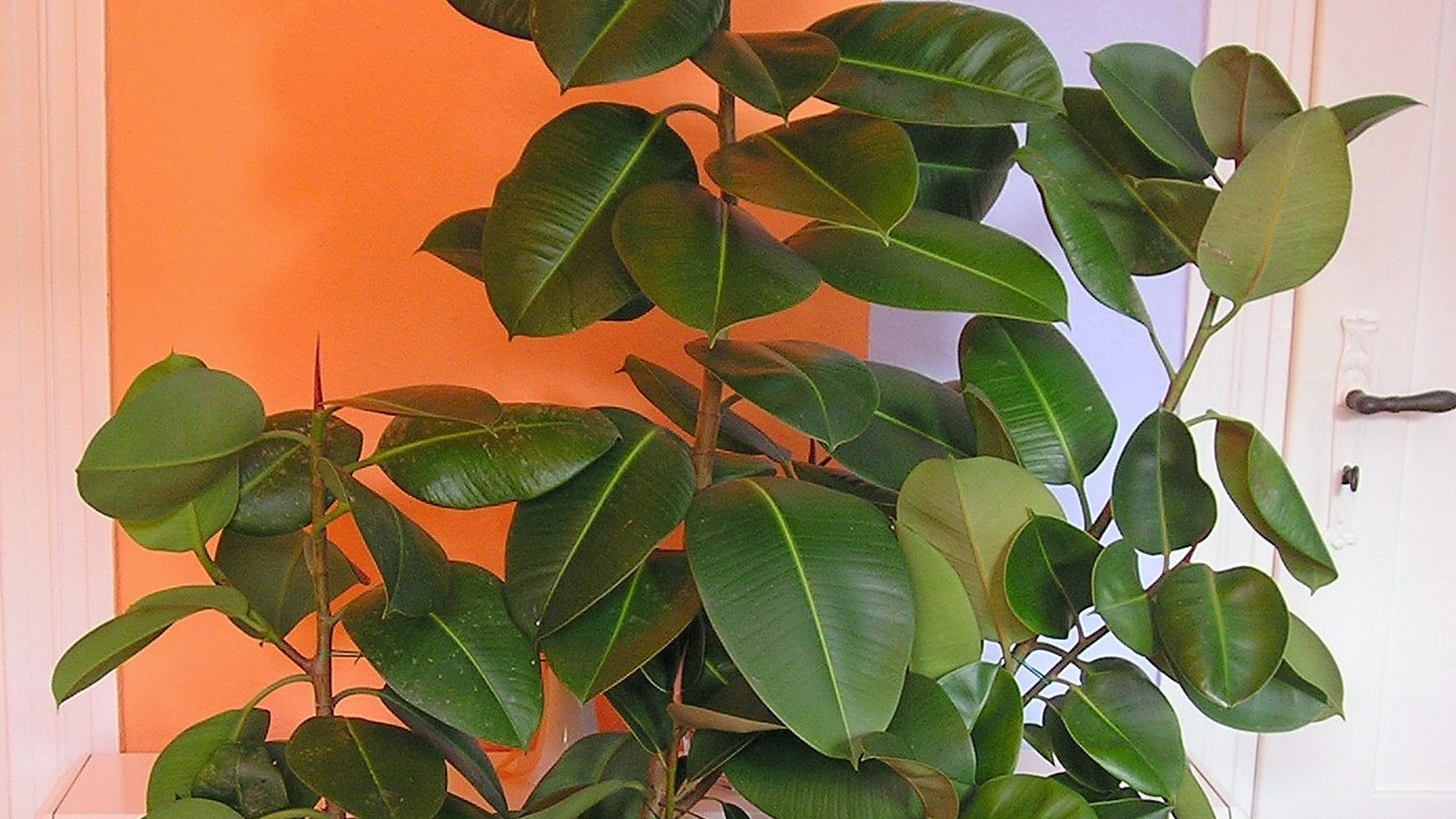
Plants that grow in a clump, with several crowns or stems rising from one root mass, are the ones that divide. Penn State Extension lists snake plant, orchids, bromeliads and hens and chicks among the clump-forming plants you can propagate this way. Plants with a single trunk or stem, such as a rubber plant or a young monstera, cannot be divided; use cuttings instead, as described in our guide to propagating from cuttings.
| Plant | Best time | What each piece needs | Pets (ASPCA) |
|---|---|---|---|
| Peace lily (Spathiphyllum) | Spring (RHS) | Plenty of roots and several strong stems | Toxic |
| Spider plant (Chlorophytum comosum) | When repotting | At least one growing point | Non-toxic |
| Snake plant (Dracaena trifasciata, formerly Sansevieria) | Spring, March to May (RHS) | One or more leaves attached to fibrous roots | Toxic |
| Clumping orchids with pseudobulbs | After flowering | See our orchid guide for the count | Not covered here |
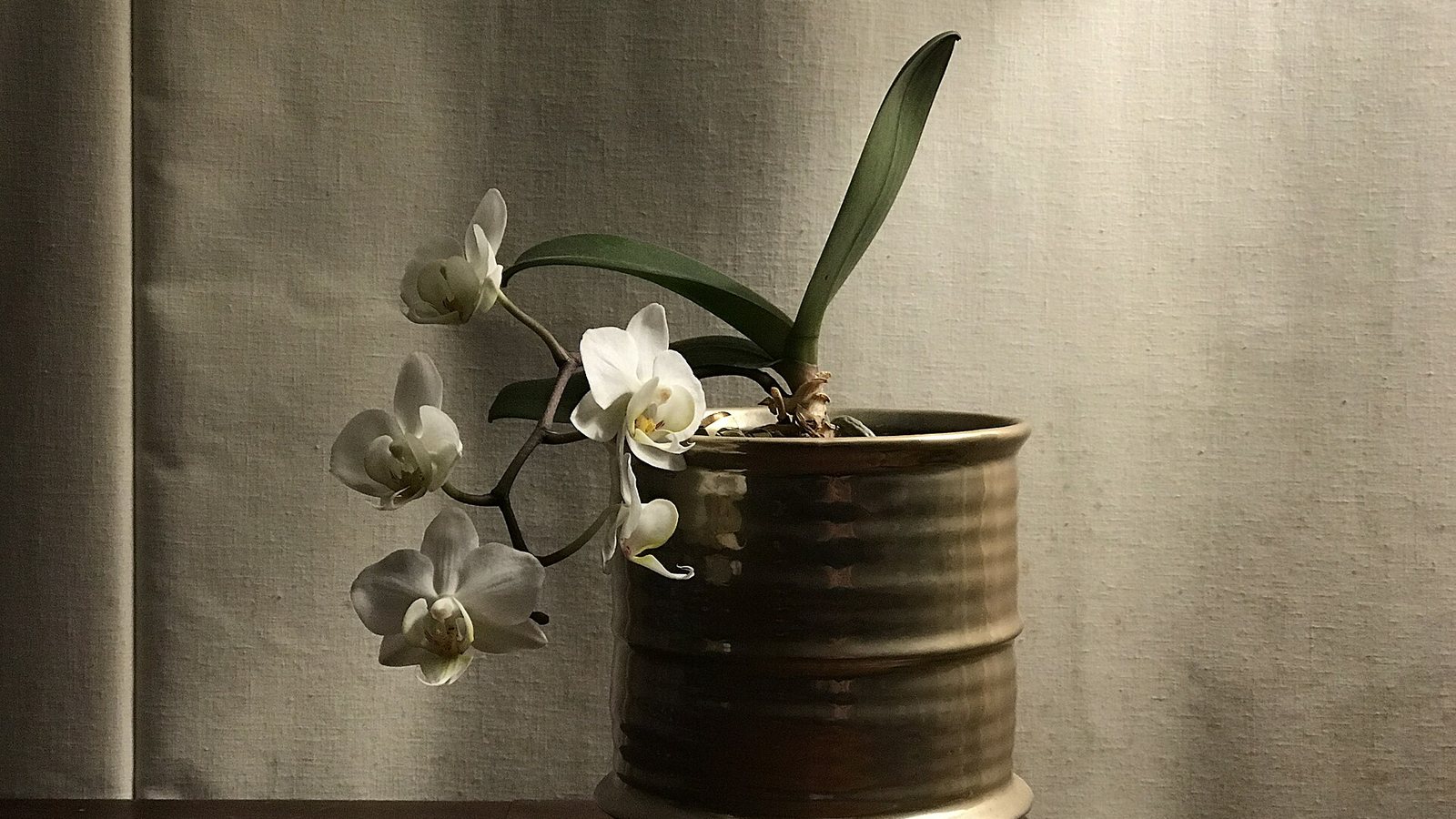
Moth orchids (Phalaenopsis) grow from a single crown and are not divided; they make plantlets called keikis instead. Our guide to propagating orchids explains both routes.
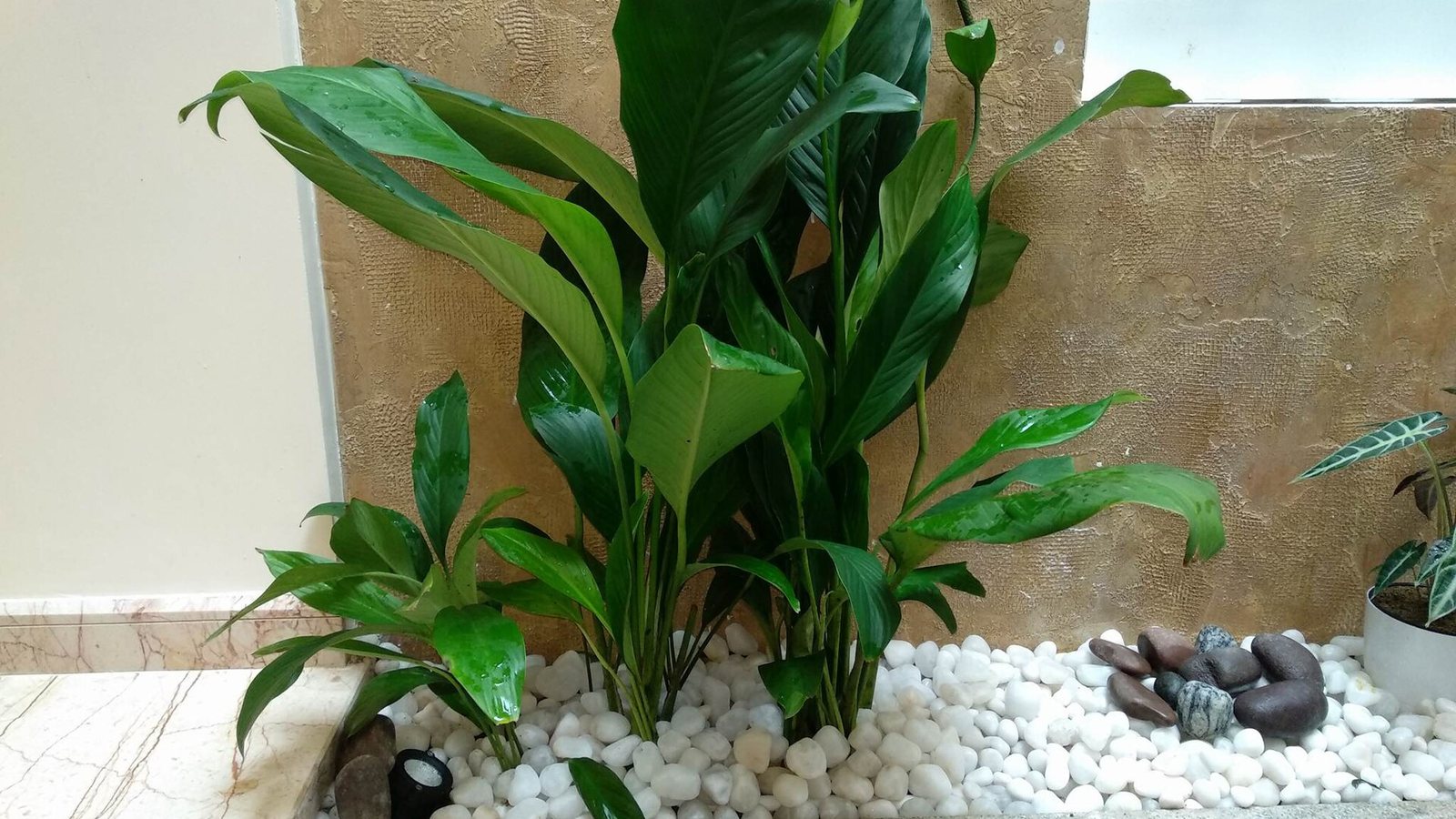
How do you divide a peace lily?
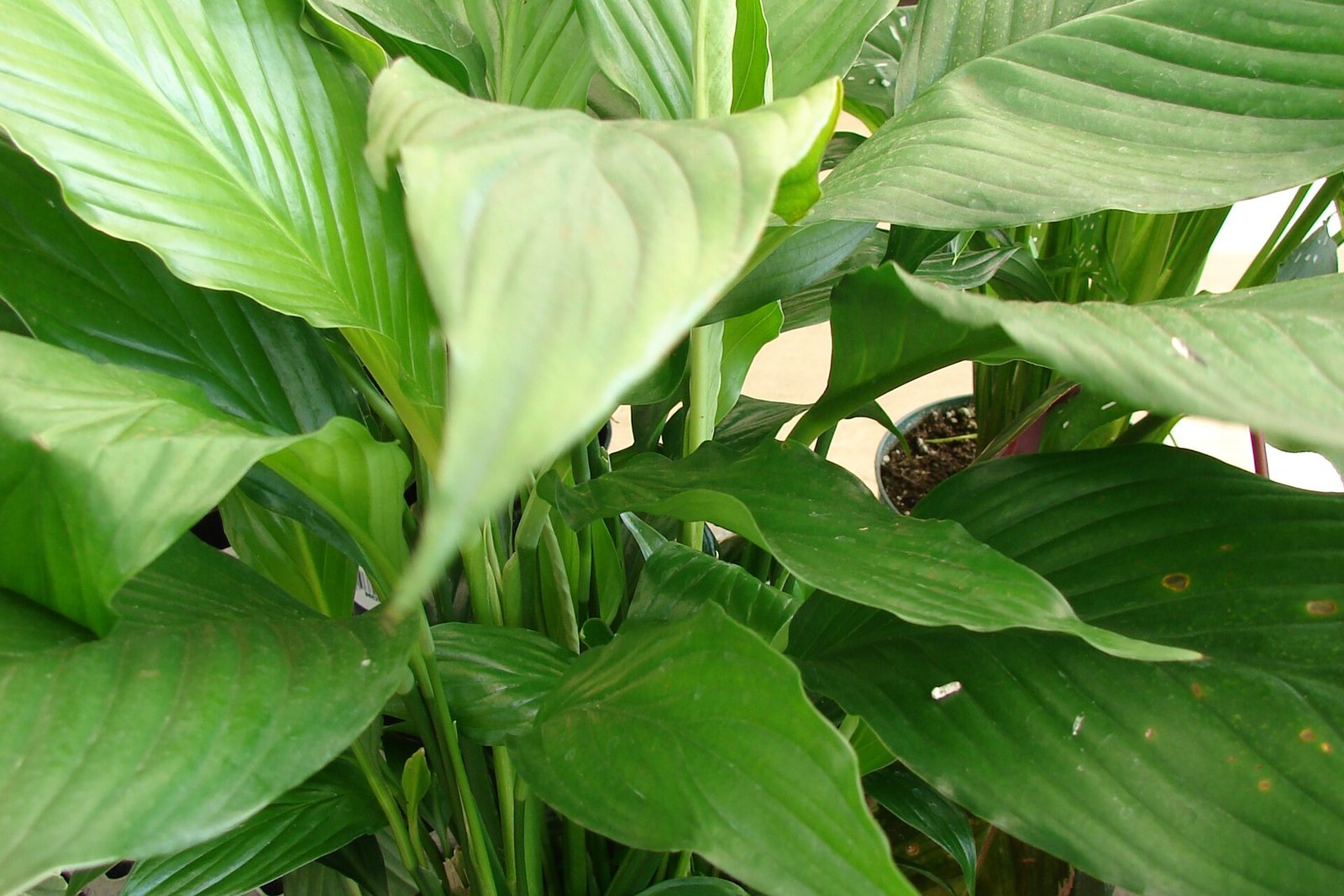
The RHS calls division the easiest way to propagate peace lilies and recommends spring, working on a large, established clump.
- Water the day before. Slightly moist roots slide out of the pot more easily and are less likely to break.
- Tip the plant out. Lay it on its side, squeeze the pot and ease the root ball out. Brush off loose compost so you can see the crowns.
- Separate the clump. Pull or cut the root ball apart so each piece has plenty of roots and several strong stems. The RHS gives no minimum size, but a piece with a single weak stem is slow to recover.
- Pot each piece. Use free-draining, peat-free compost and a pot only a few centimetres larger than the roots, as the RHS advises for peace lilies, because a pot that is too big keeps compost damp and invites root rot.
- Wear gloves. The RHS warns that the sap can irritate skin, and peace lilies are poisonous like other arums. The ASPCA lists the plant as toxic to dogs and cats, with mouth irritation, drooling and vomiting among the signs.
How do you divide a spider plant?
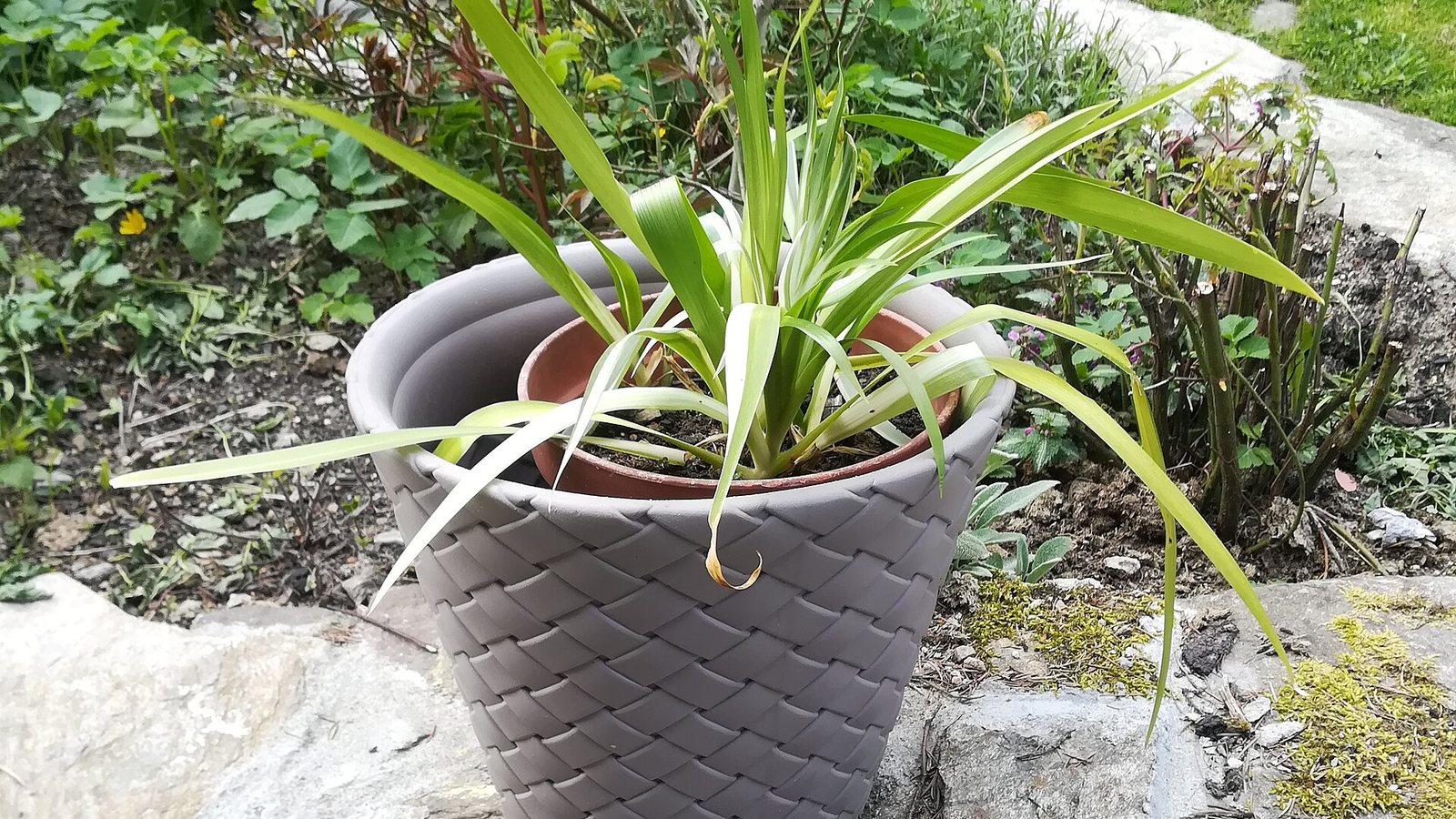
The RHS suggests dividing a mature spider plant to make several smaller plants, which is especially useful for cultivars that do not produce plantlets. The roots are thick and fleshy, so pull the clump apart by hand where it comes easily, and cut through it with a clean knife where it does not. Keep only healthy pieces, each with at least one growing point, and pot them individually in peat-free multi-purpose or houseplant compost. The RHS pairs this with repotting, which young plants need every year or two. Spider plants are listed as non-toxic to cats and dogs by the ASPCA, but a pet that eats a lot of any plant can still vomit.
How do you divide a snake plant?
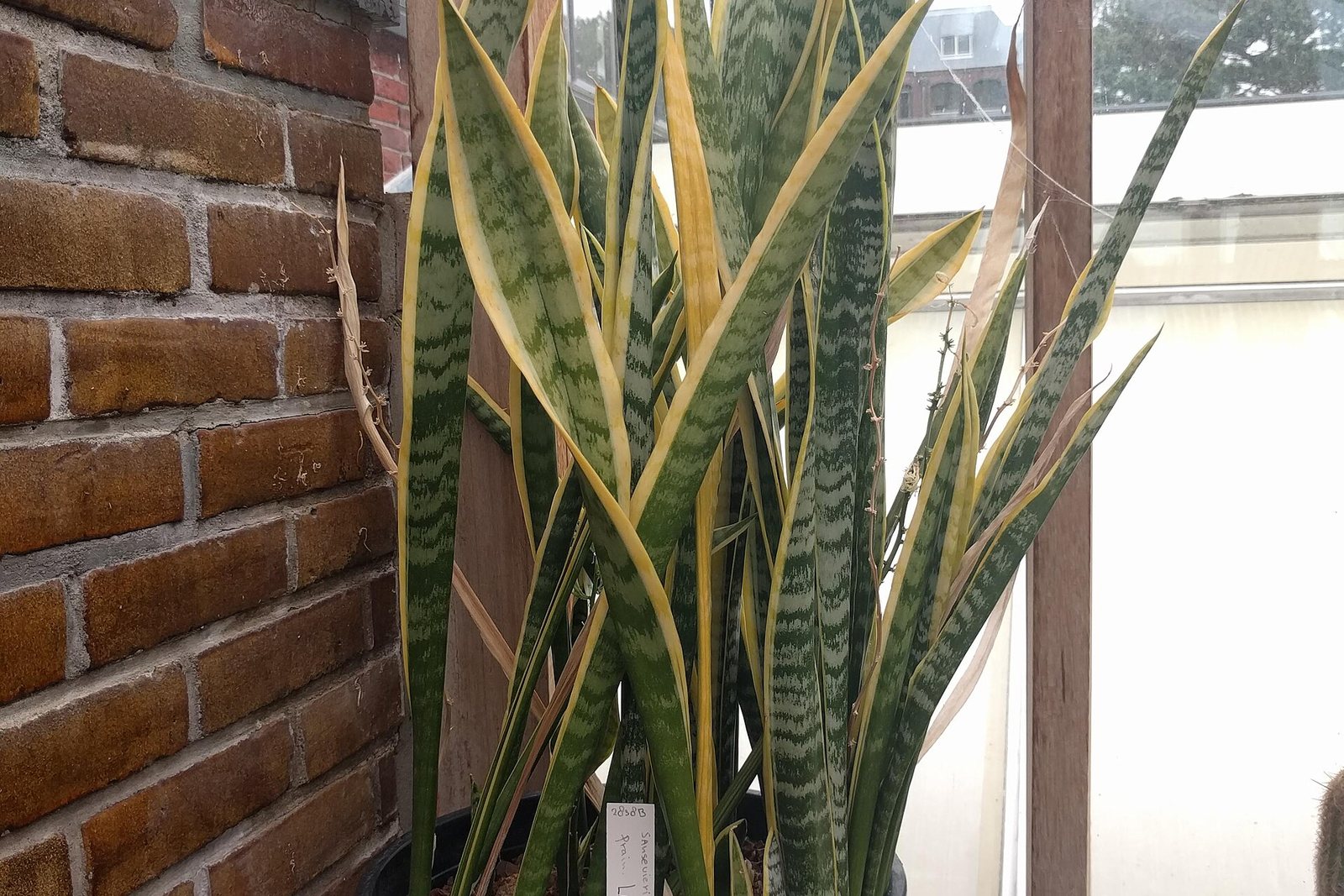
Snake plants are easiest to divide in spring, from March to May in the northern hemisphere, when they come out of their winter rest, according to the RHS. Remove the plant from its pot, then split the clump so each section has one or more leaves attached to fibrous roots. Pull it apart by hand where you can, and use a sharp knife or secateurs on tough parts. Throw away any damaged or dead sections.
If the plant has offsets, called pups, take them once they have good roots and the parent has been in its pot for two or three years. The RHS says to pull them away and pot them separately, or several together for a fuller pot. Taller sections can wobble, so support them with a cane and string until they are firmly rooted. Use free-draining cactus compost, or mix two parts loam-based peat-free compost with one part grit. The ASPCA lists snake plant as toxic to dogs and cats (saponins; nausea, vomiting and diarrhea), and the RHS recommends gloves.
How do you look after divisions afterwards?
- Pot immediately. Penn State Extension says to replant all new plants straight after separating them, so roots do not dry out.
- Light. Put them in bright, indirect light, not in strong sun; the RHS notes strong sun scorches variegated spider plant leaves.
- Water carefully. A divided plant has fewer roots, so wet compost is a bigger risk. Water when the top few centimetres are dry, and for snake plants let the compost dry out between waterings, especially in winter (RHS). Our guide to how to water houseplants shows the finger test.
- Skip fertilizer at first. The RHS says spider plants rarely need feeding after fresh compost; wait until you see new growth.
- Expect a pause. A little wilting or a yellow leaf in the first weeks is common. If it lasts, see our guide to repotting shock.
What can go wrong when you divide a plant?
Pieces that are too small are the most common failure: a single leaf or stem with a few roots may rot or stall. Dirty tools can carry disease, so wipe the knife with rubbing alcohol before you start. Cutting rotten or mushy roots away is good practice, and our guide on healthy roots versus rotten roots shows how to tell them apart. Splitting at the wrong time matters less indoors than outdoors, but spring, when growth is starting, gives the quickest recovery.
Flori can help you decide whether a plant is ready: its care profile lists the plant's watering and light needs, and care reminders can prompt you to check the new pots in the weeks after dividing.
Frequently asked questions
Can I divide a plant that is not root-bound?
You can, but it is best done when the clump is crowded, since splitting a young plant leaves pieces too small to thrive. Wait until the pot is packed with roots and stems.
Should I water a plant after dividing it?
Water lightly after potting so the compost settles, then wait until the top few centimetres are dry. Divided plants have fewer roots, so wet compost is riskier than a short dry spell.
Can I divide a plant in winter?
The RHS recommends spring for peace lily and snake plant. A winter division can work but recovers slowly because growth is minimal.
Which houseplants cannot be divided?
Plants with a single stem or trunk, such as a rubber plant, and moth orchids, which grow from one crown. Propagate them from cuttings or keikis instead.
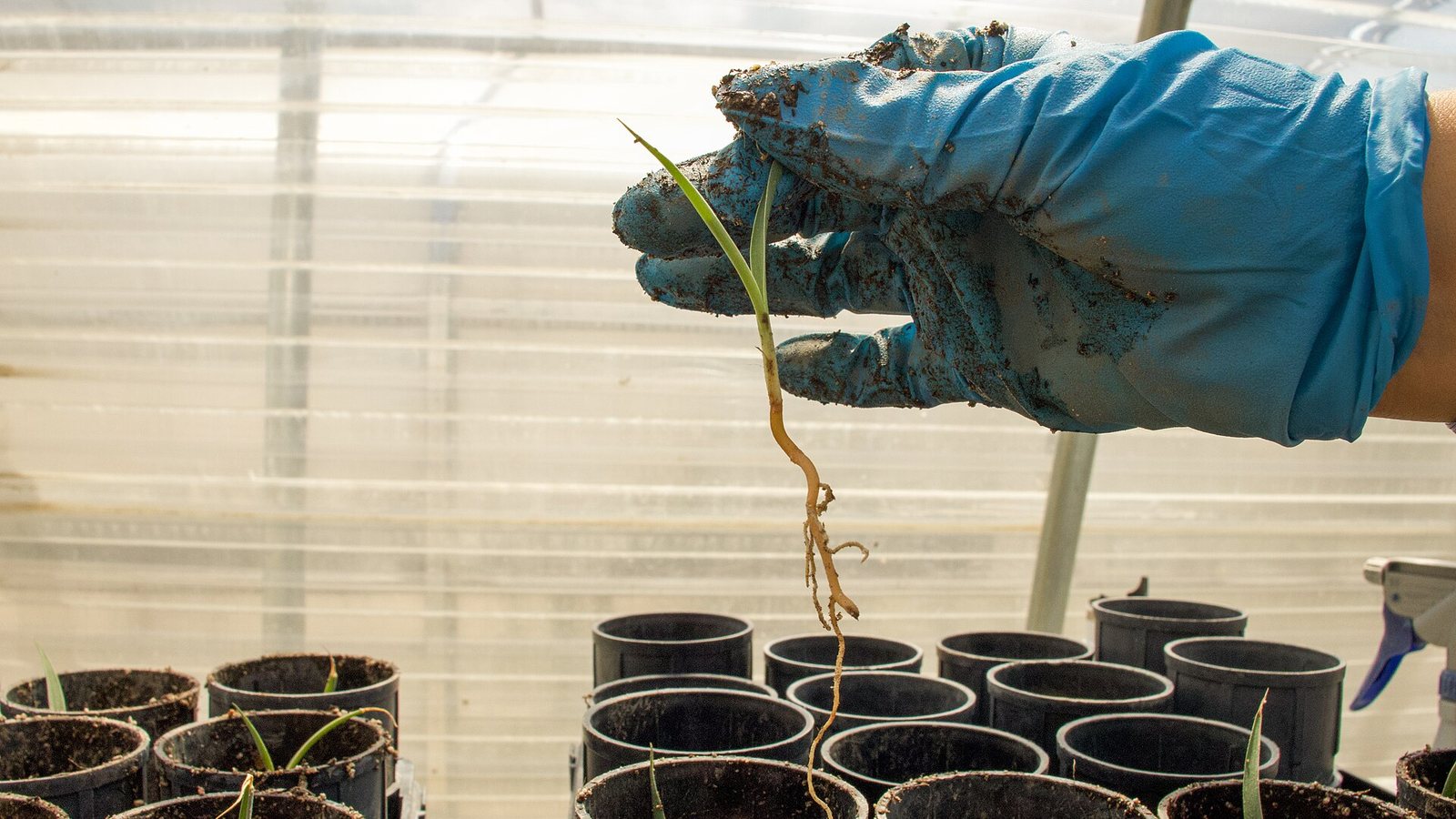
How to repot a plant step by step: what you need, how to free a stuck root ball, loosen roots, set the depth and water in, plus the first weeks after.
Sources
Written and fact-checked by the Flori team. Every guide cites horticultural sources such as the RHS, university extension services and the ASPCA, and is updated when the advice changes. How we write our guides
General plant care information. Plants vary; when a plant is valuable or a problem spreads quickly, consult a local nursery or plant specialist.